
#porcelain
-
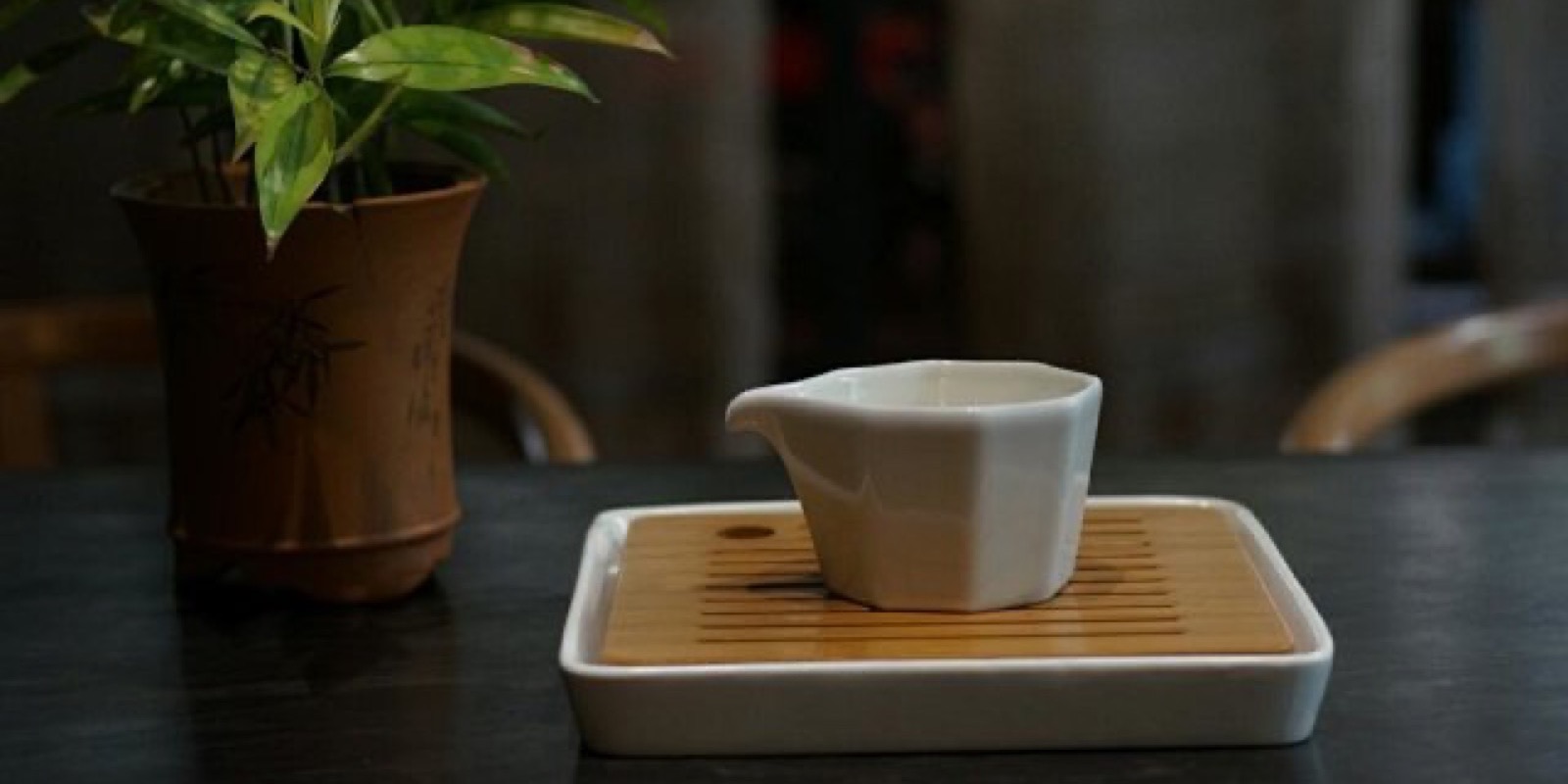
The Object That Makes Tea Fair
公道 means fairness. The fairness pitcher exists for one reason — so that every cup at the table gets tea of the same strength, poured from the same batch, at the same moment.
-
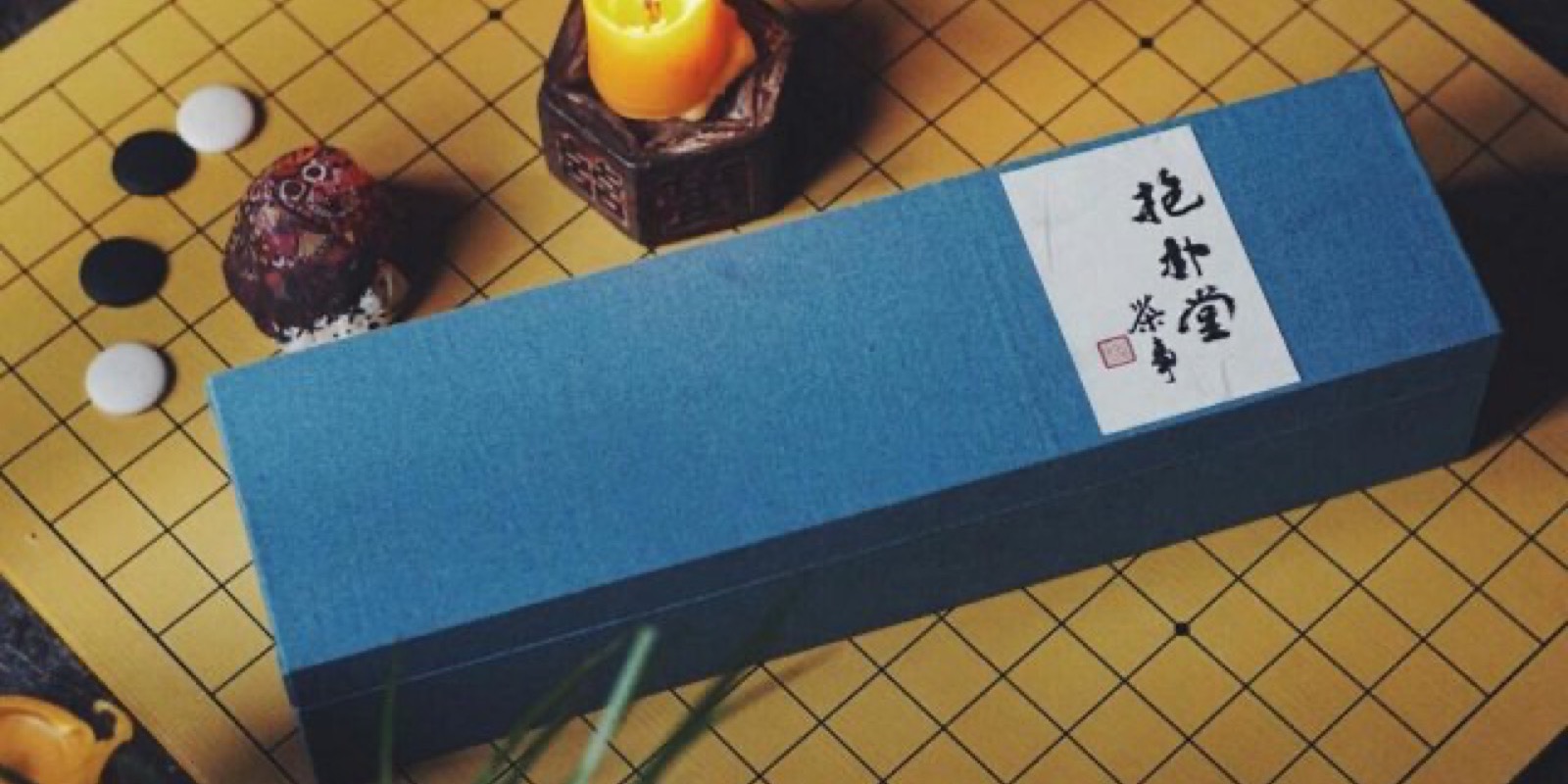
Five Cups, Five Ways to Spend an Evening
Wine tasting, tea tasting, "deep in soul," "none," and a plain blank cup with no words at all — five moods pressed into a set of cups small enough to fit in one hand.
-
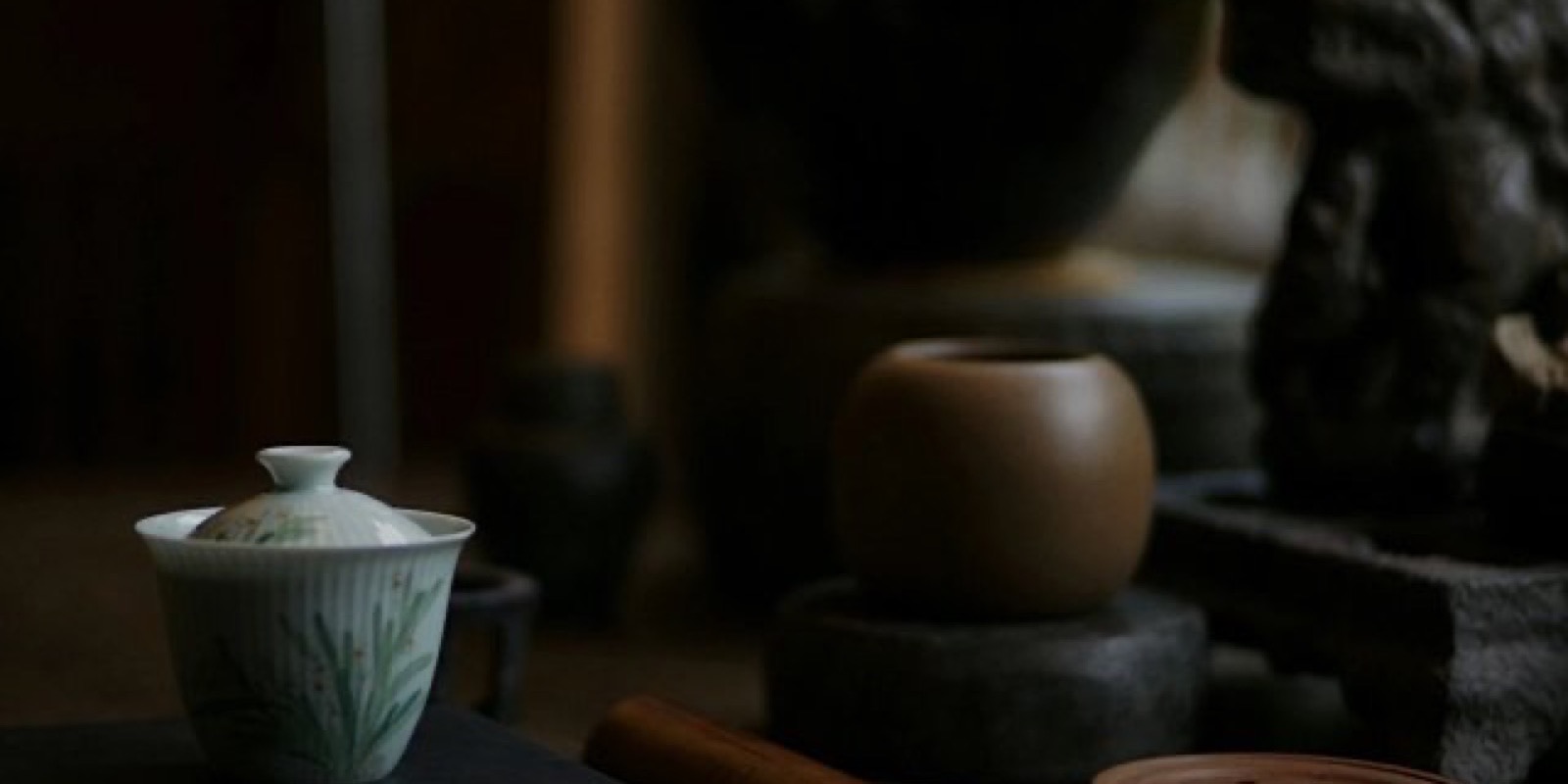
A Bowl That Waits for One Flower
Narcissus bulbs are carved and tended through the cold months so they bloom right around Spring Festival. This bowl was designed around that single, perfectly-timed flower.
-
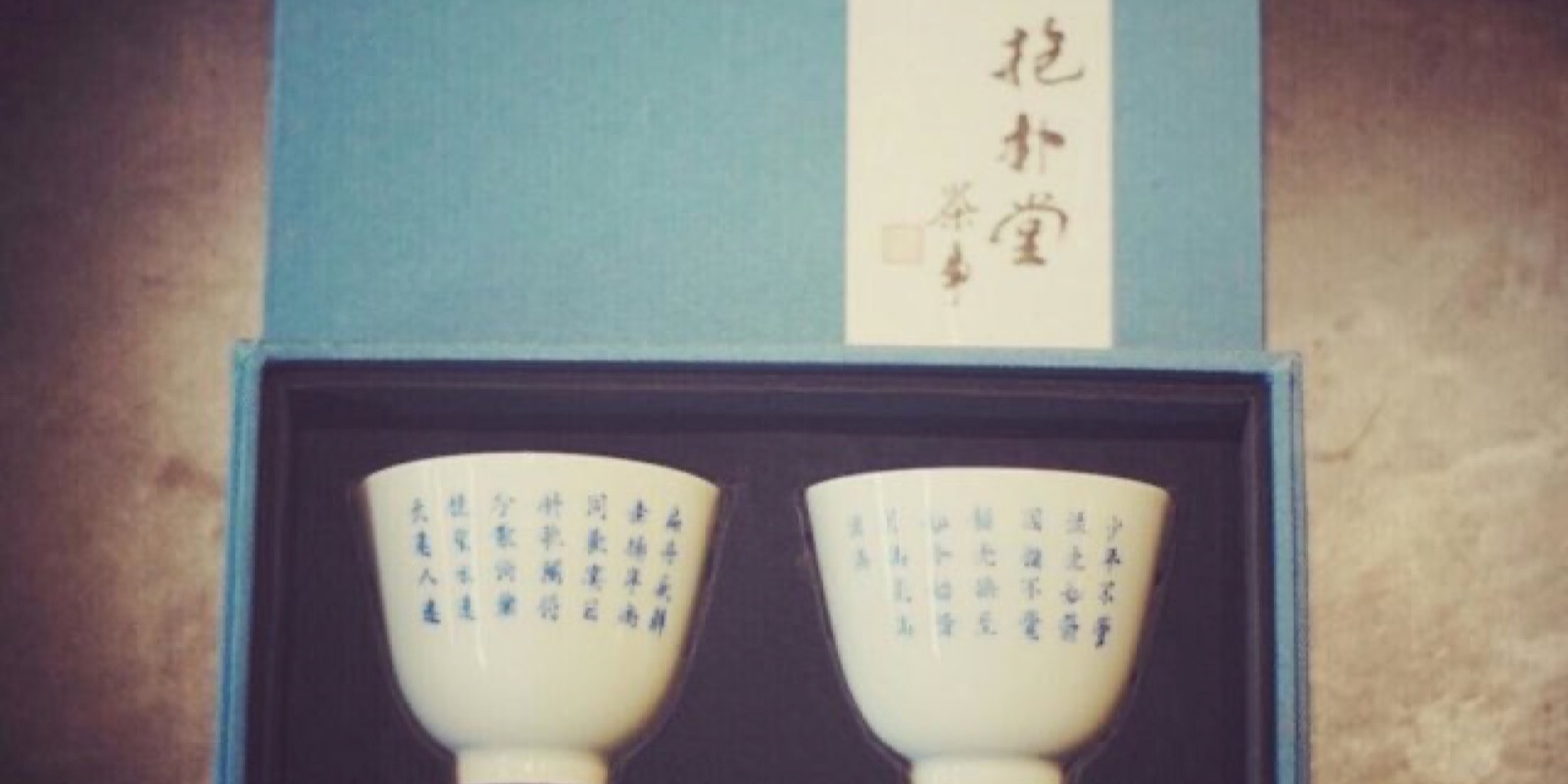
A Poem Split Into Two Cups
A Song-dynasty farewell poem, broken in half — one cup holding the first stanza, the other holding the second, neither one complete without its pair.
-
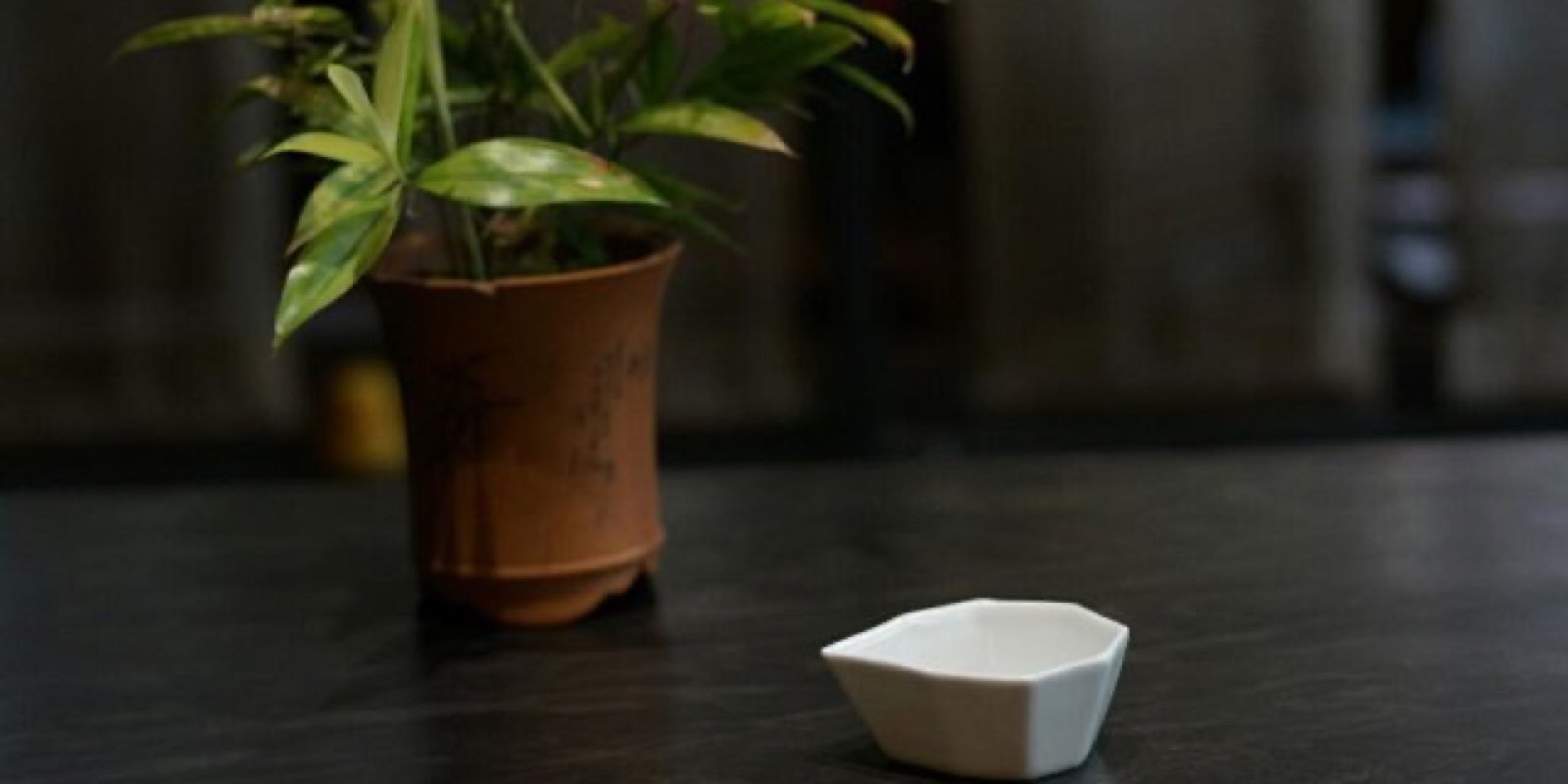
A Word That Means Both Tool and Standard
Lu Yu defined 则 as "measure, standard, rule" — and named the scoop that moves dry tea into the pot after that same word. An octagonal bowl built around one quiet idea.
-
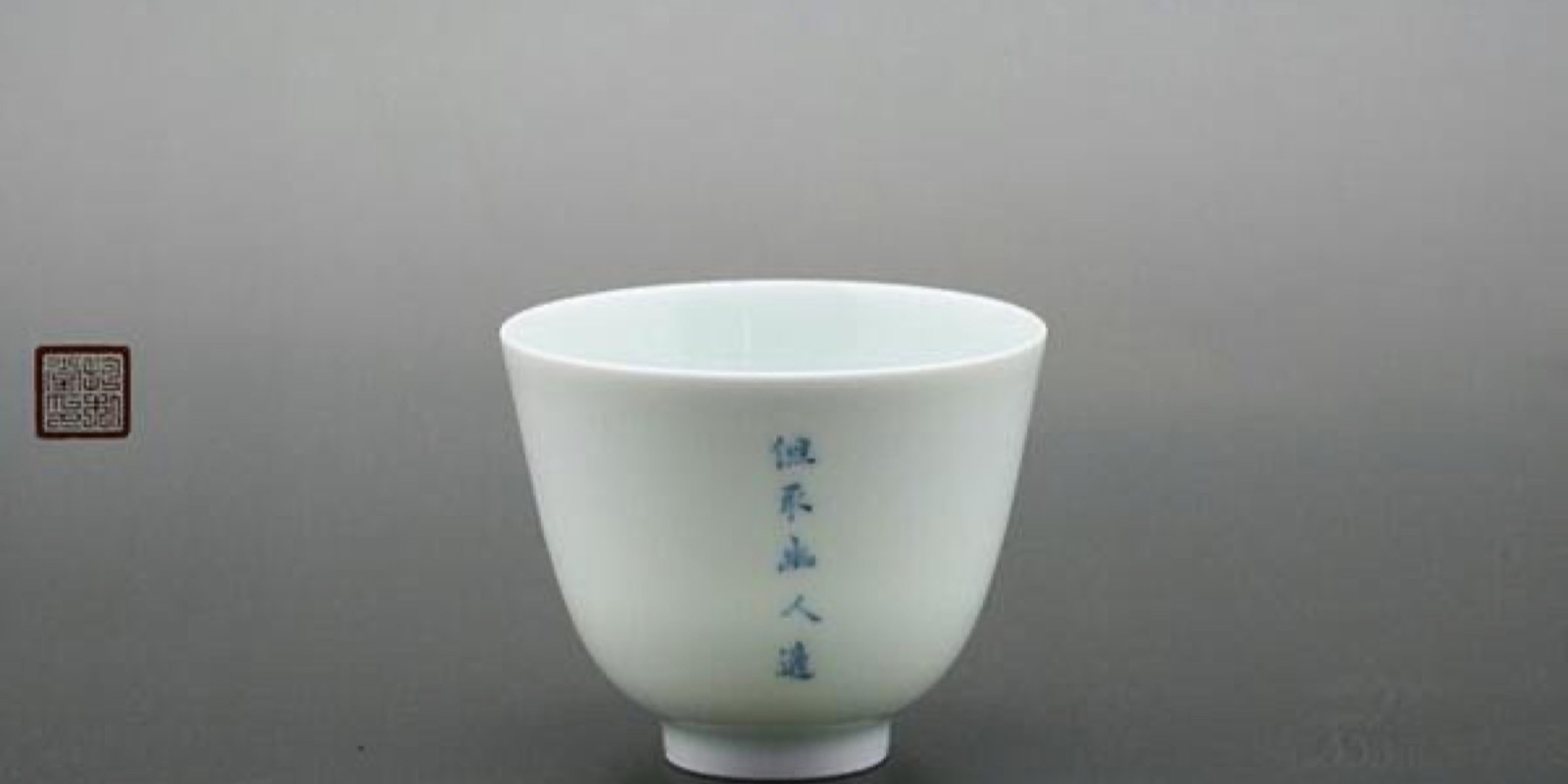
A Cup Made for Drinking Alone
"Drinking alone is called divine; with one guest, it's called excellent." A cup designed around that line — built to remove the fairness pitcher and simplify tea down to one pot, one cup.
-
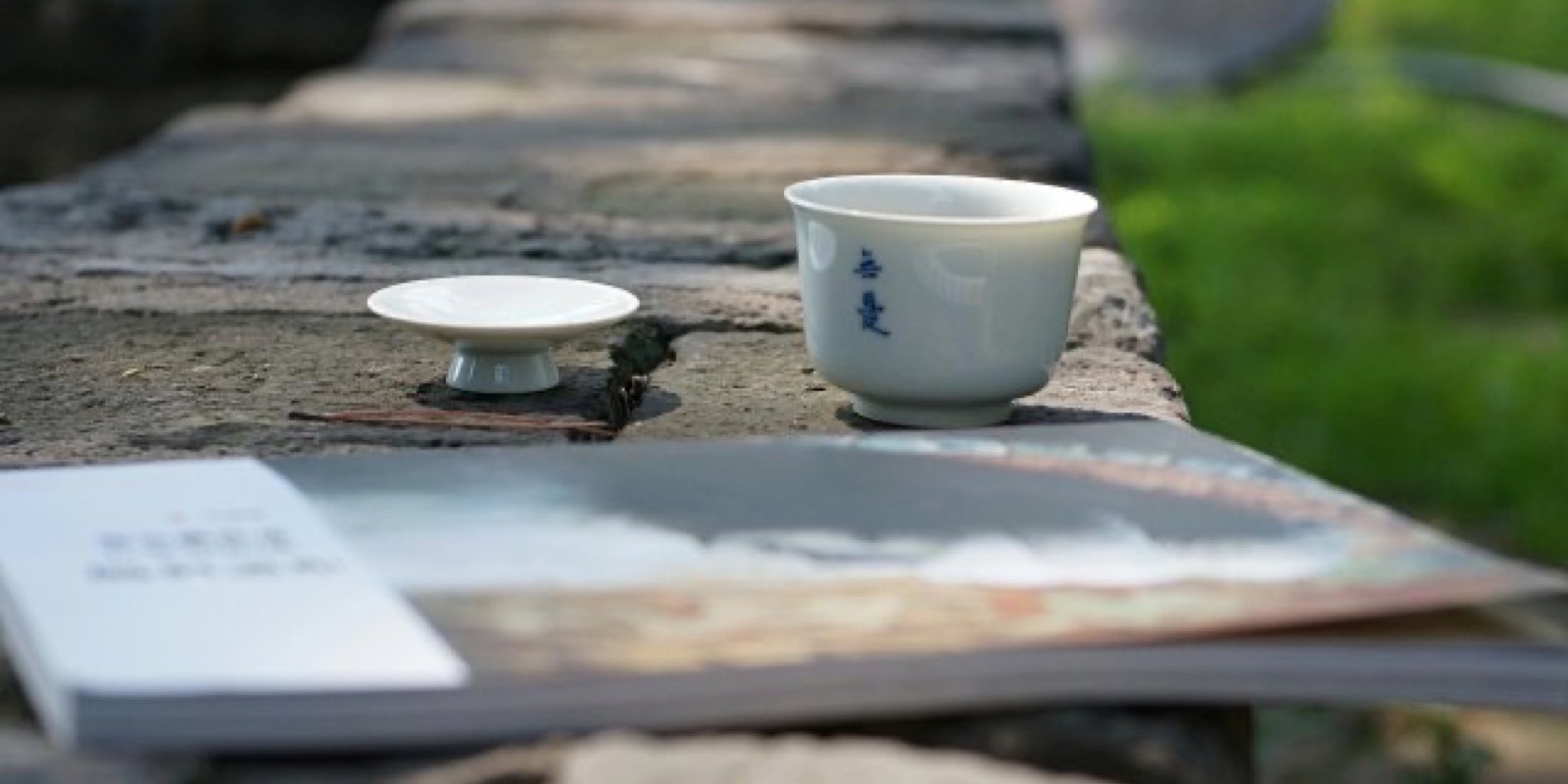
A Calligrapher's Hand, Borrowed for the Tea Table
Baoputang met the Zhenhuan workshop over a piece of writing, years before commissioning any teaware. This gaiwan is the latest of several pieces carrying their calligraphy.
-
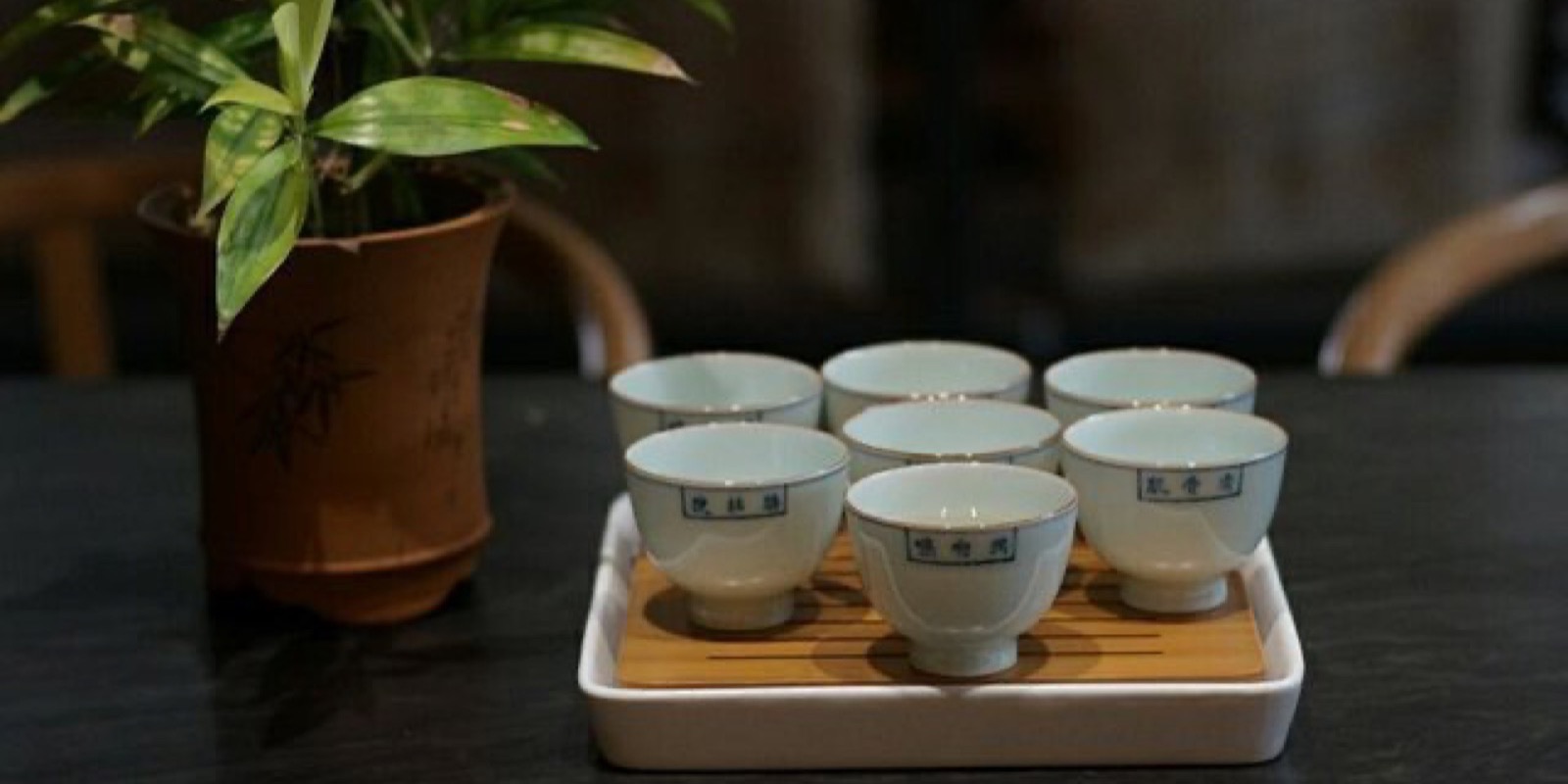
A Poem You Drink One Bowl at a Time
Seven cups, one Tang-dynasty poem about tea — each cup engraved with a line from Lu Tong's "Seven Bowls of Tea," meant to be read the way they're meant to be used.