
Journal
Notes on tea, season, and the room at 116 West Xinglong Street — written between Instagram captions, for anyone who wants more than a caption gives.
-
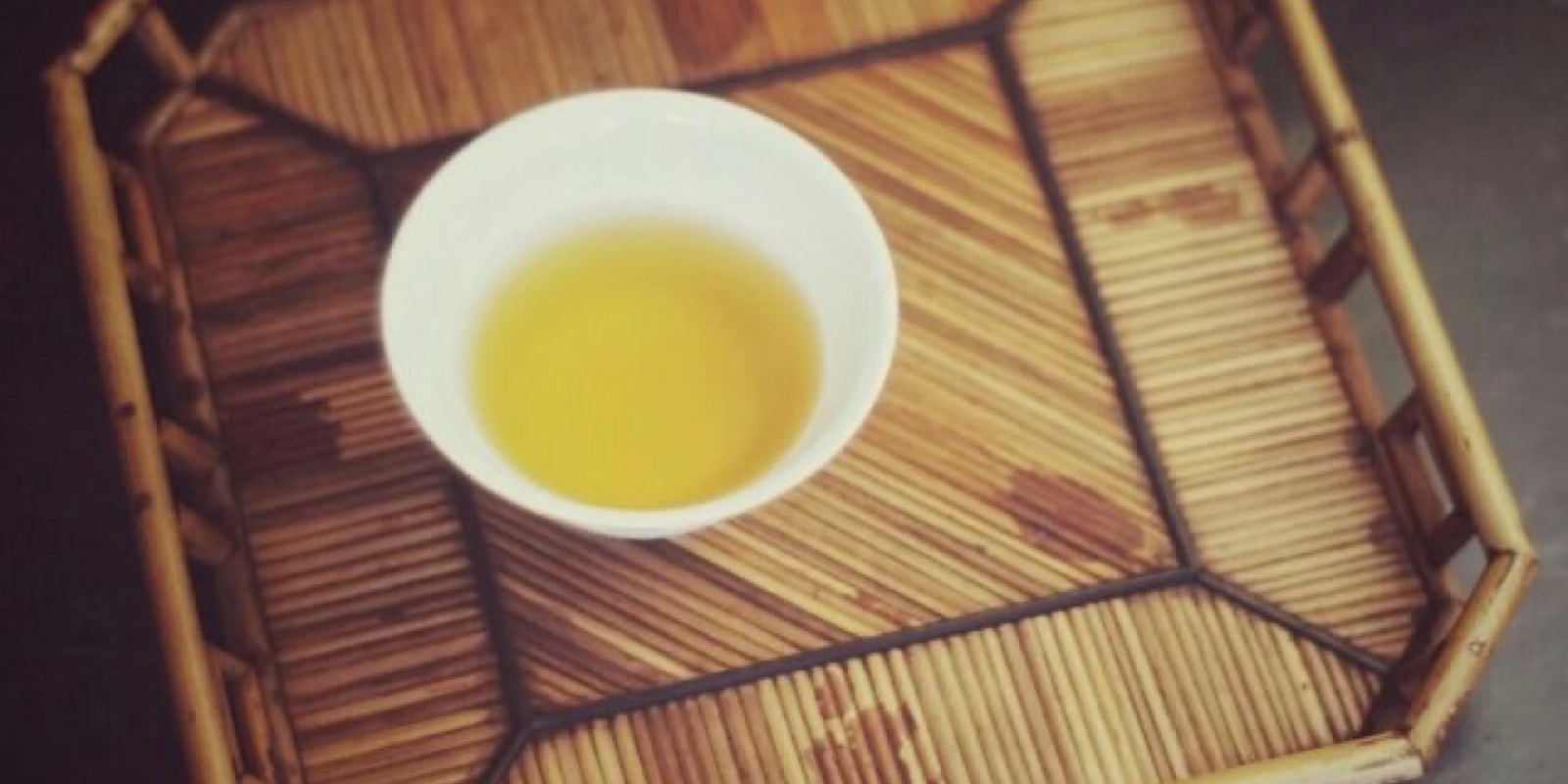
The Flagship, Eleven Years In
Special-grade Jin Jun Mei, eleven years into the Jiang family partnership — early-spring single buds from forest tea gardens 1,200 to 1,800 meters up, picked before anything else.
-
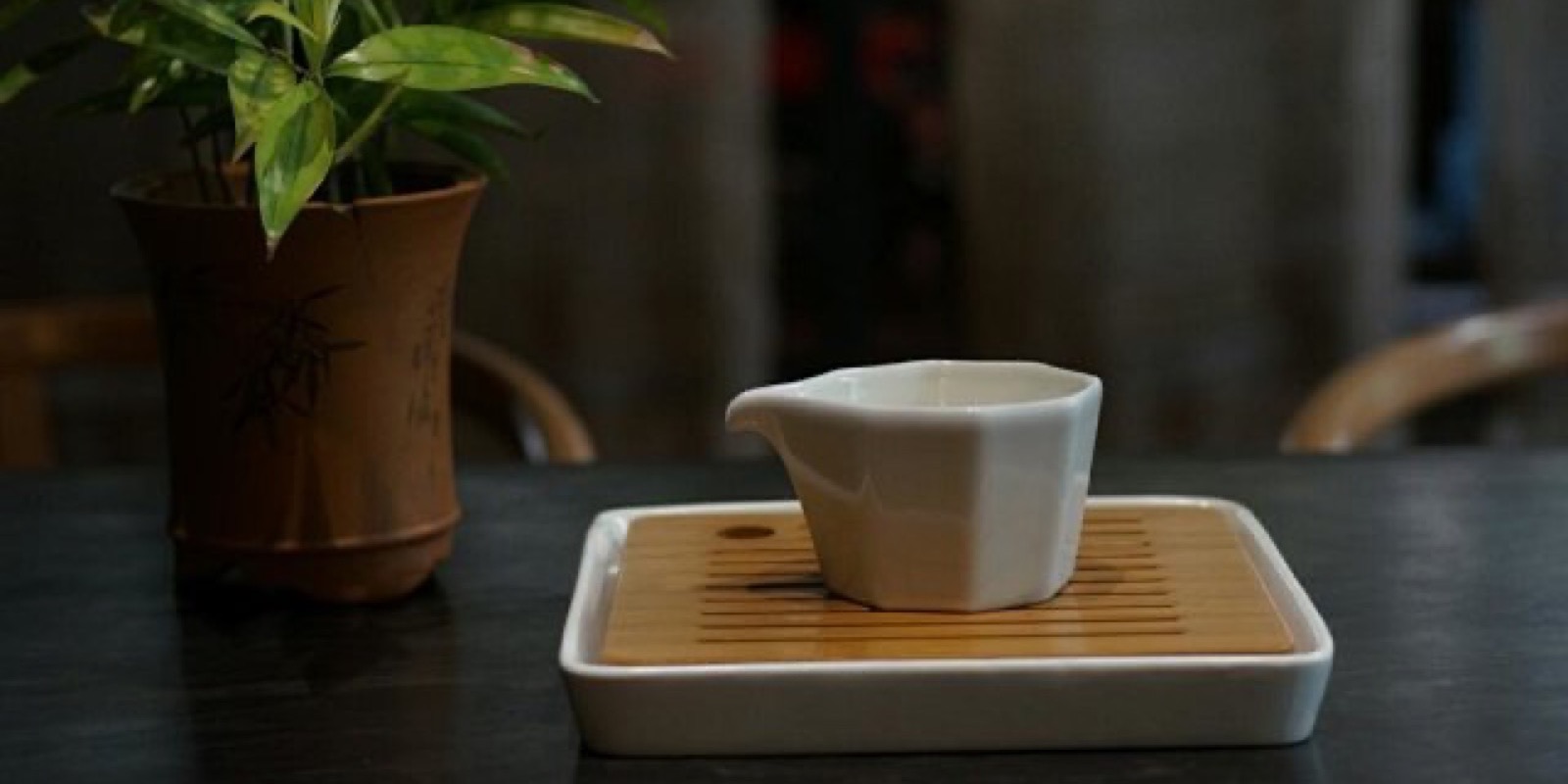
The Object That Makes Tea Fair
公道 means fairness. The fairness pitcher exists for one reason — so that every cup at the table gets tea of the same strength, poured from the same batch, at the same moment.
-
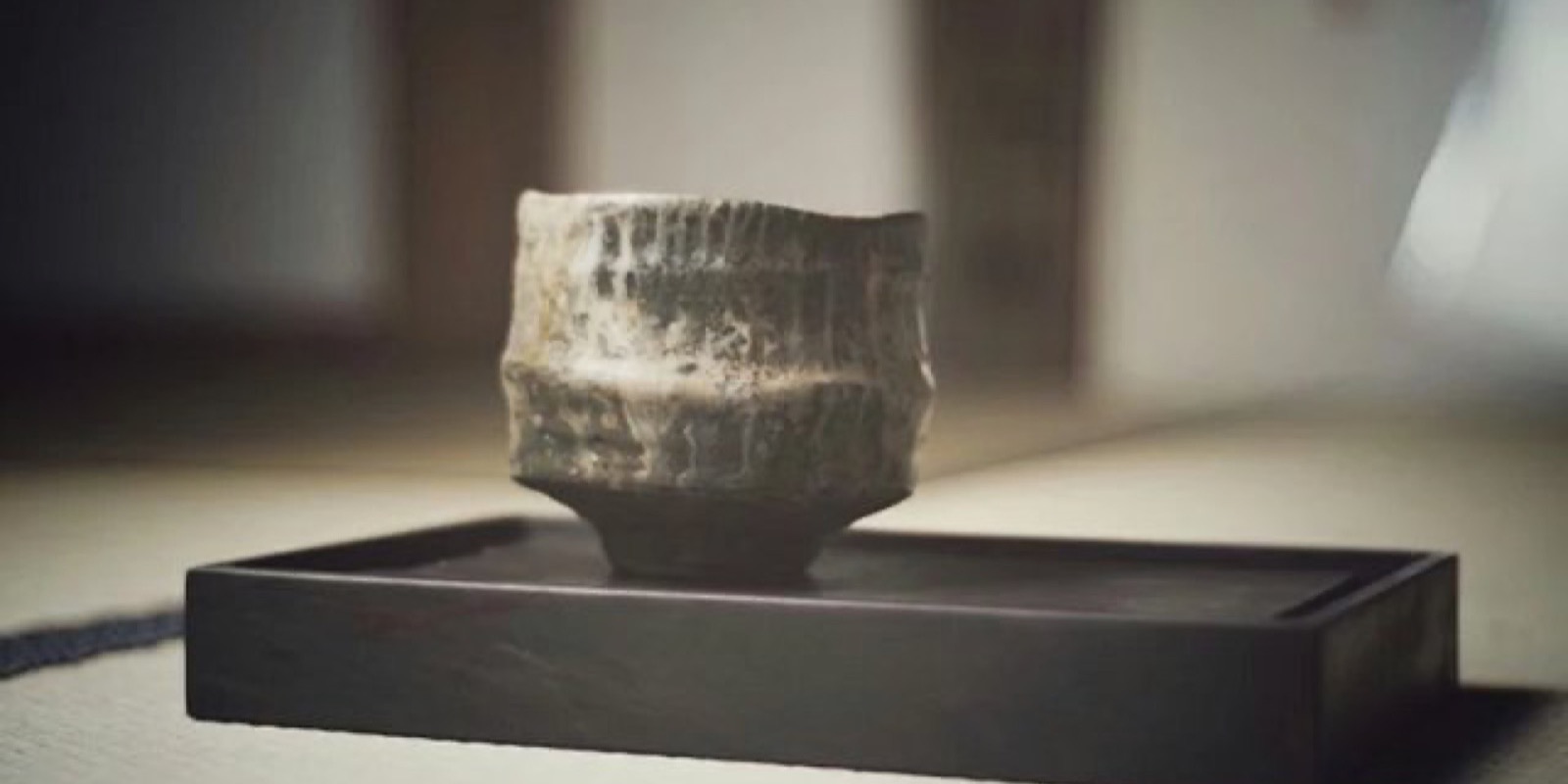
Three Ways to Read One Character
承 means "to bear," "to inherit," and "to take pleasure in." A single slab of Duan stone, built as a tea tray, carries all three meanings depending on how it's used.
-
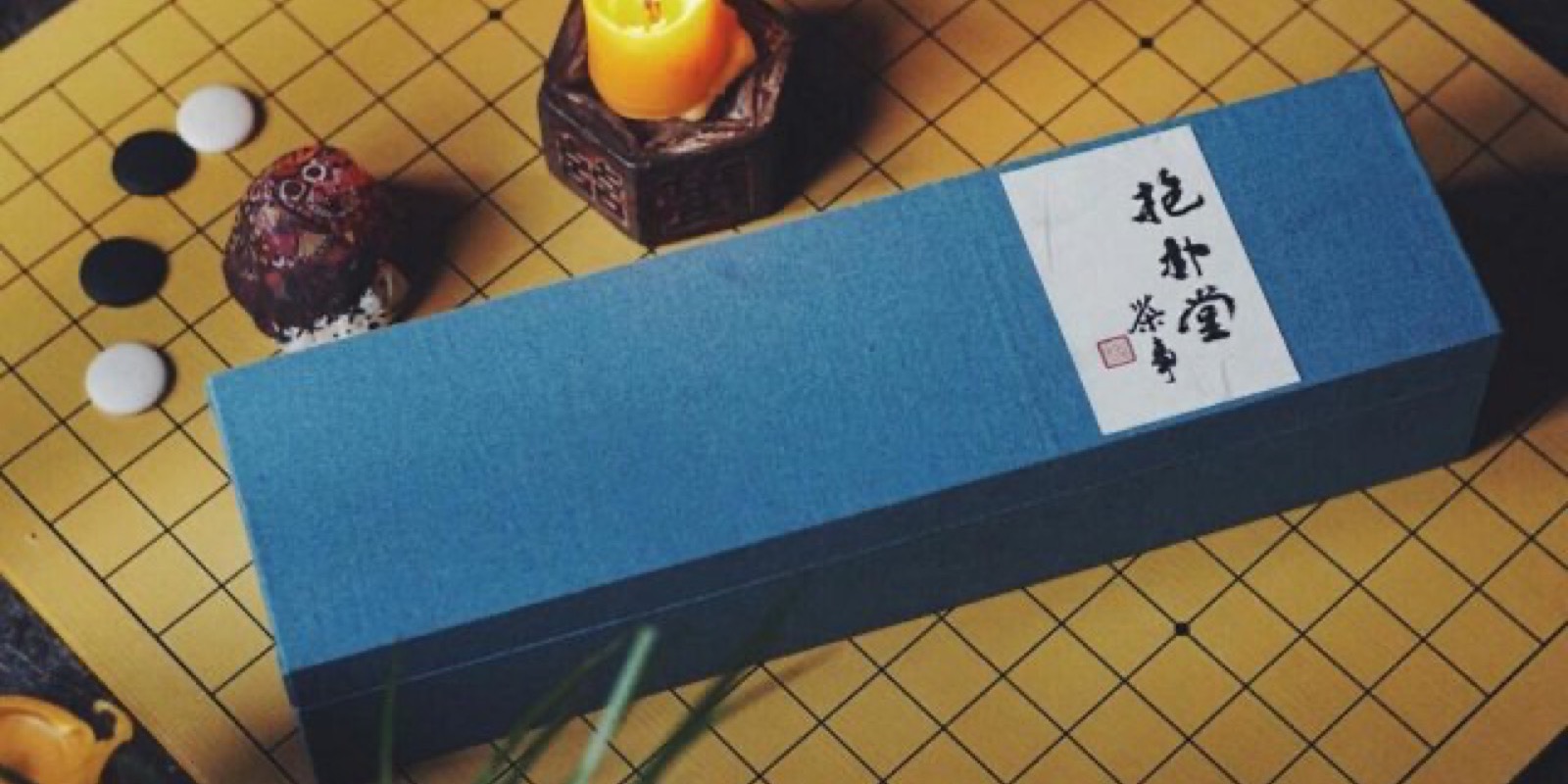
Five Cups, Five Ways to Spend an Evening
Wine tasting, tea tasting, "deep in soul," "none," and a plain blank cup with no words at all — five moods pressed into a set of cups small enough to fit in one hand.
-
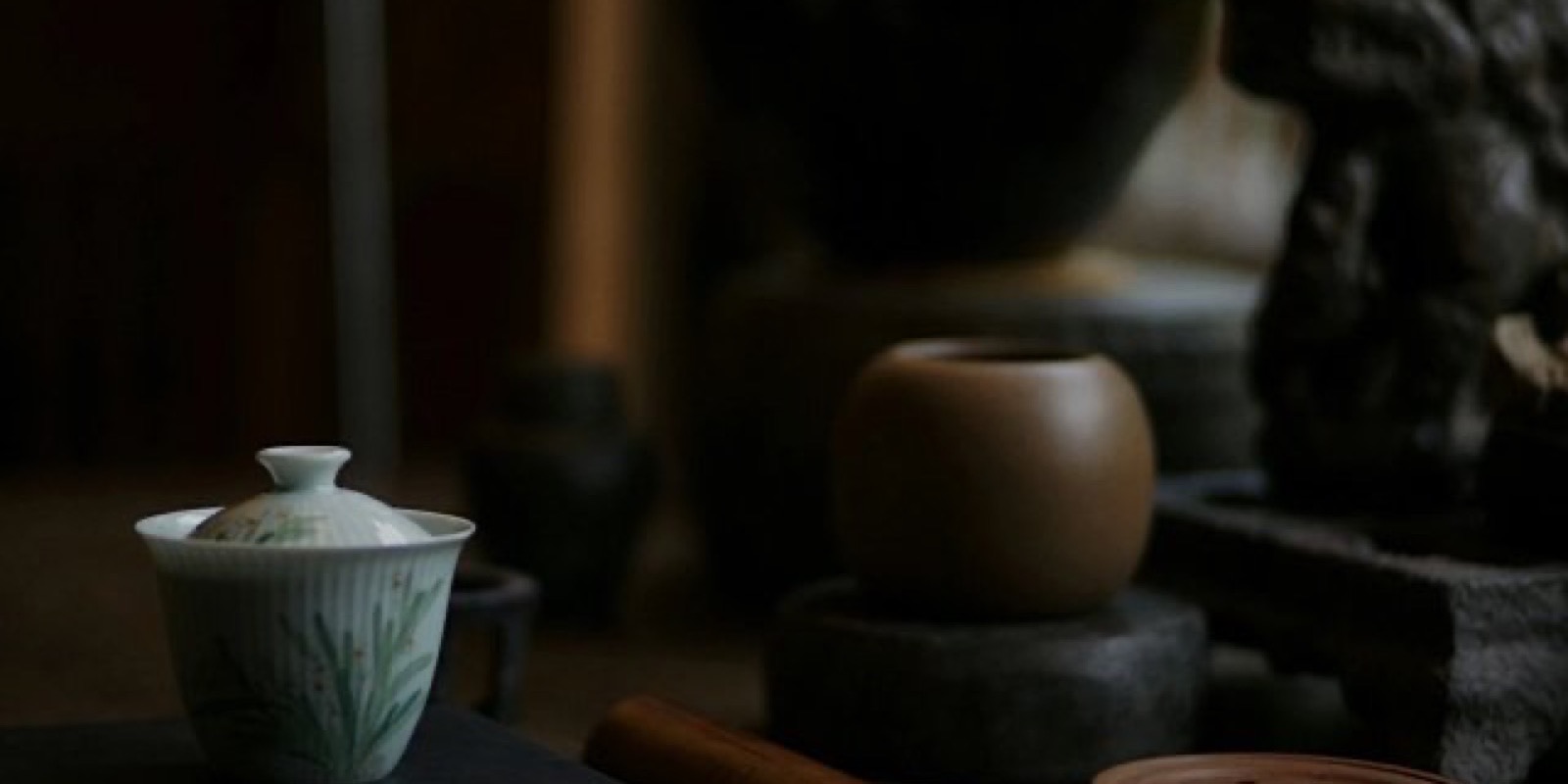
A Bowl That Waits for One Flower
Narcissus bulbs are carved and tended through the cold months so they bloom right around Spring Festival. This bowl was designed around that single, perfectly-timed flower.
-
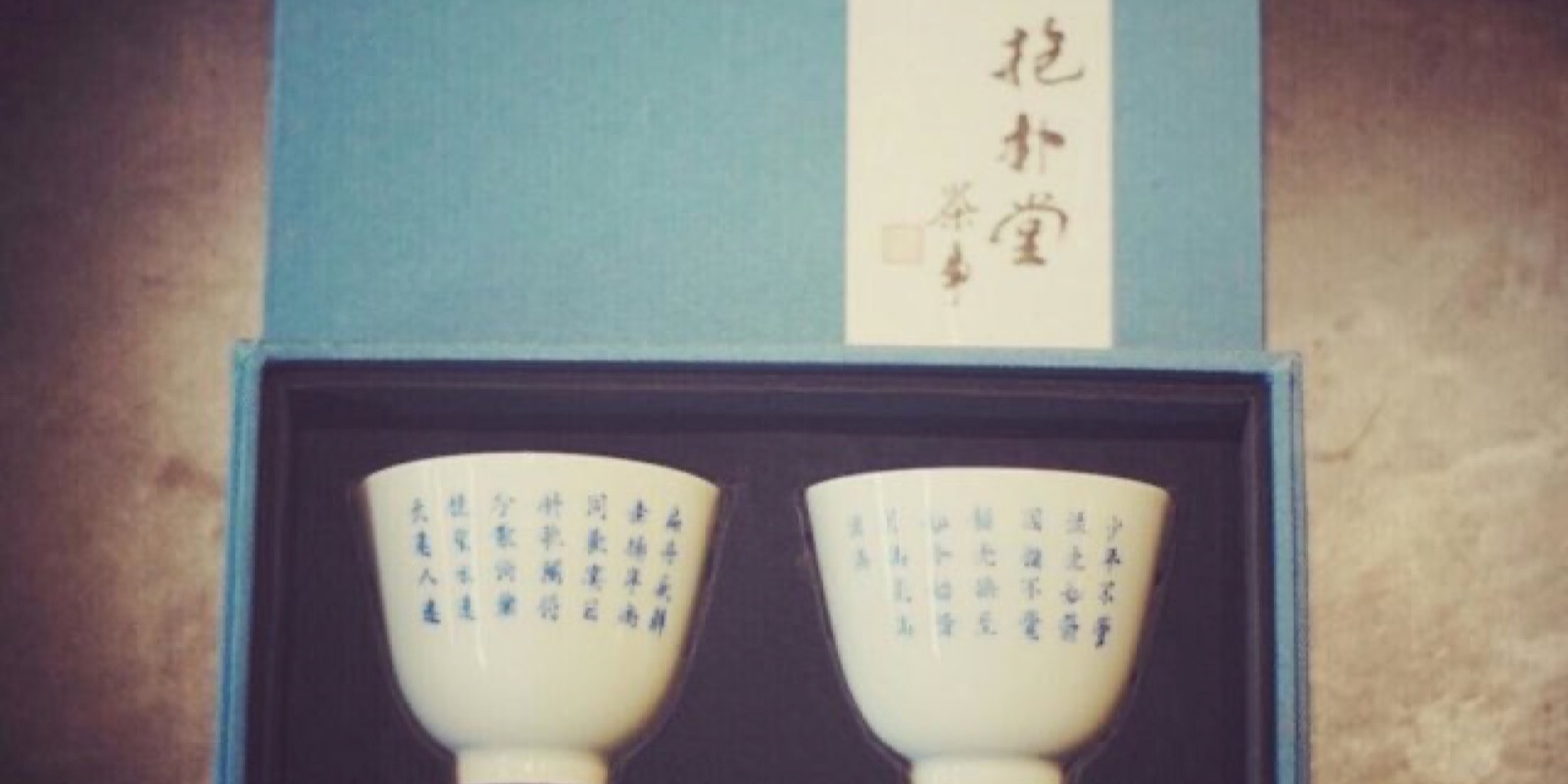
A Poem Split Into Two Cups
A Song-dynasty farewell poem, broken in half — one cup holding the first stanza, the other holding the second, neither one complete without its pair.
-
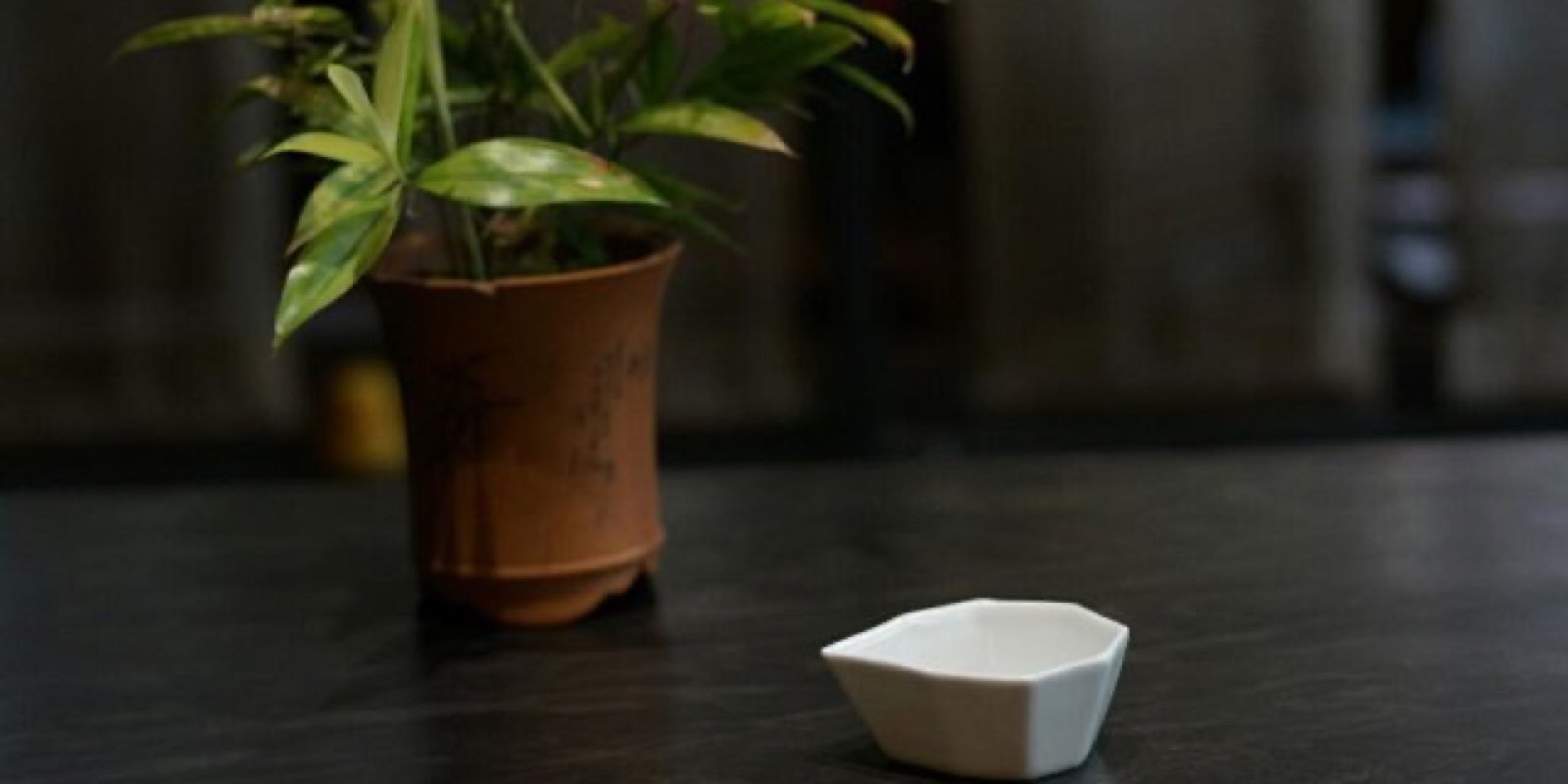
A Word That Means Both Tool and Standard
Lu Yu defined 则 as "measure, standard, rule" — and named the scoop that moves dry tea into the pot after that same word. An octagonal bowl built around one quiet idea.
-
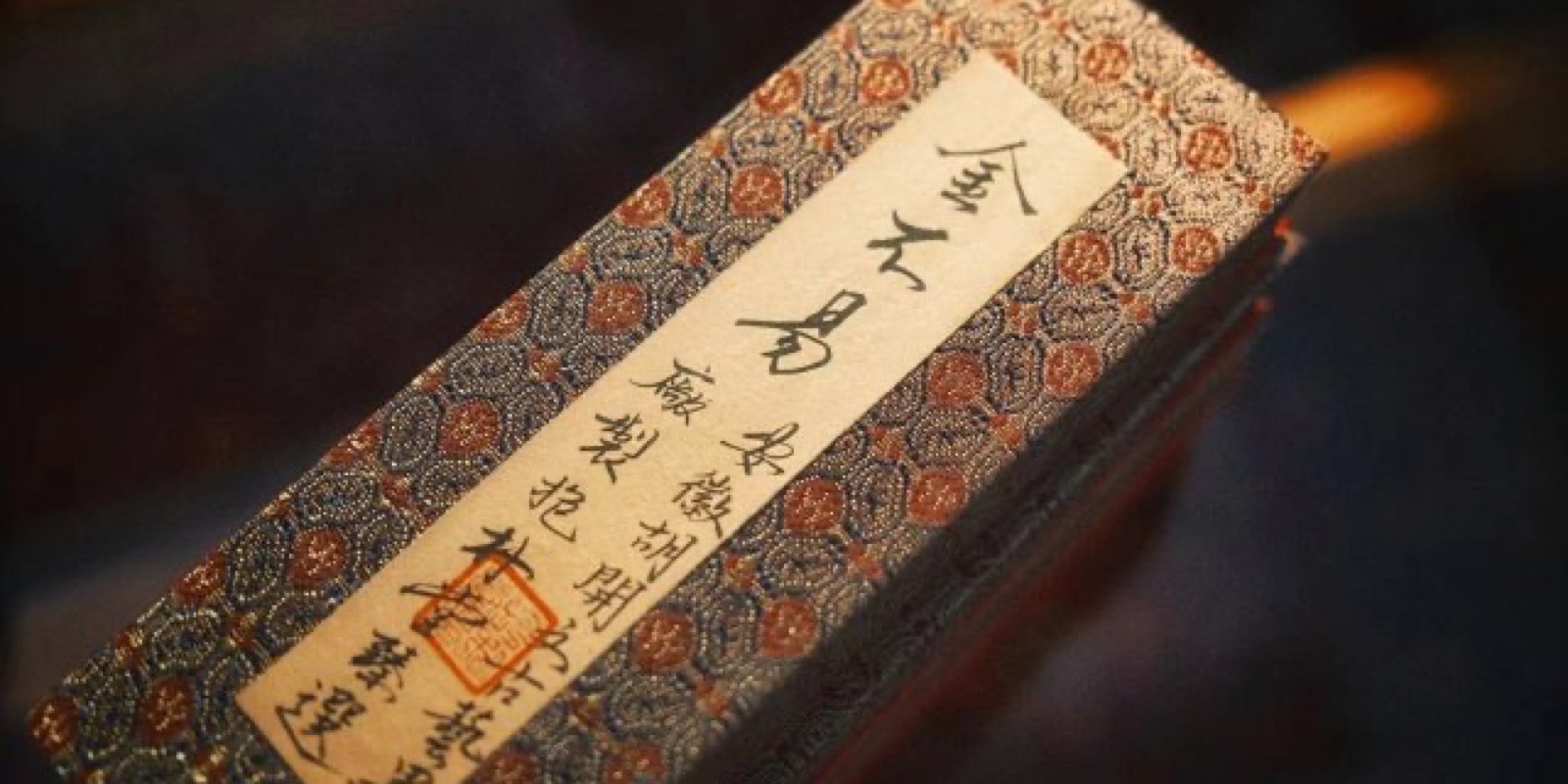
Sixteen Ingredients in One Ink Stick
Wang Chunlin, an Anhui provincial intangible-heritage ink master, blends sixteen medicinal and aromatic ingredients into a single stick of oil-soot ink — meant to be ground slowly, counting to eighty-one.
-
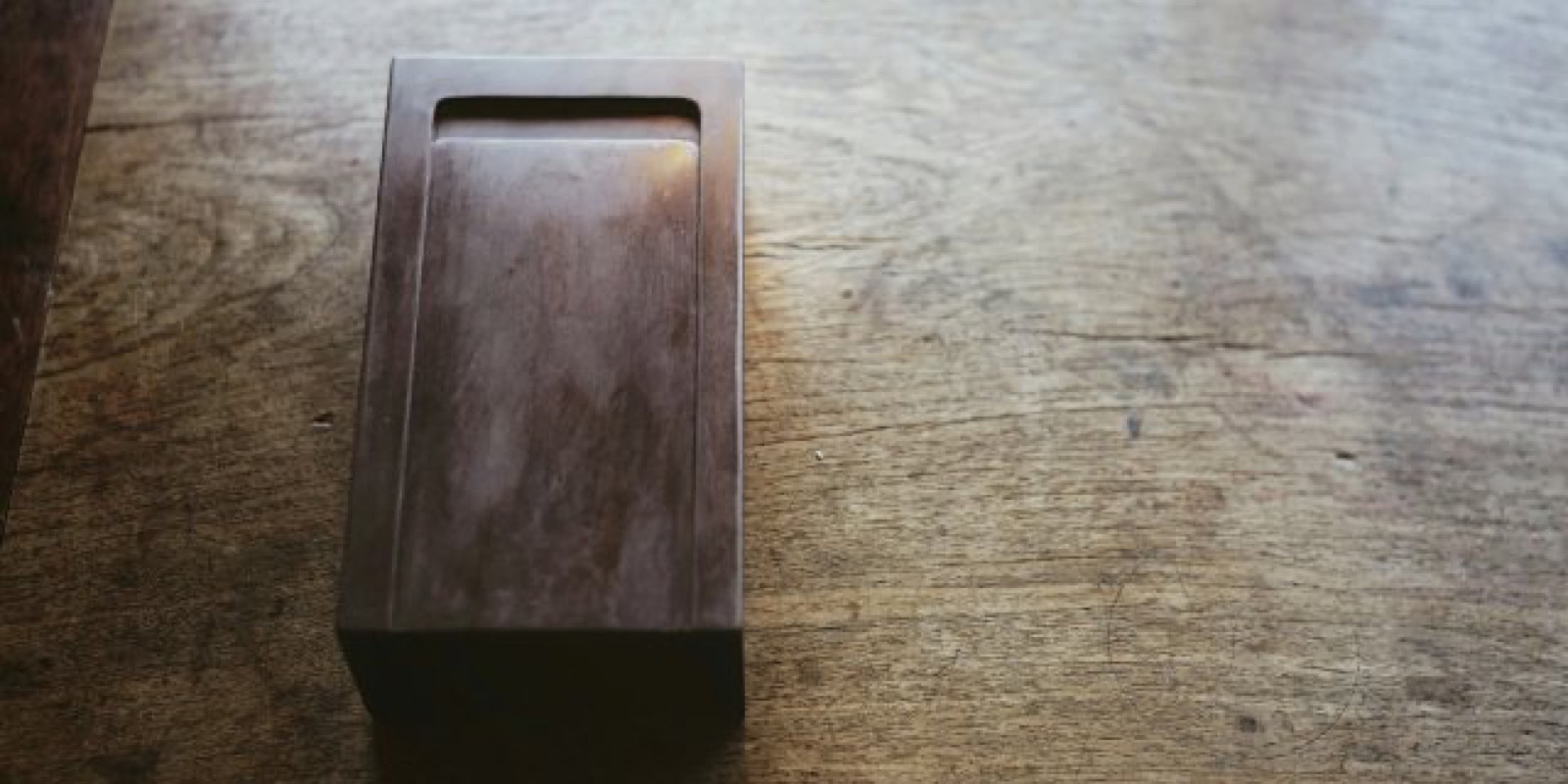
Why the Famous Quarries Are All Closed Now
Of more than 70 historic Duan-stone quarries, barely a dozen are still mined — and the most famous names, Laokeng among them, have been sealed for years. This piece traces that scarcity directly.
-
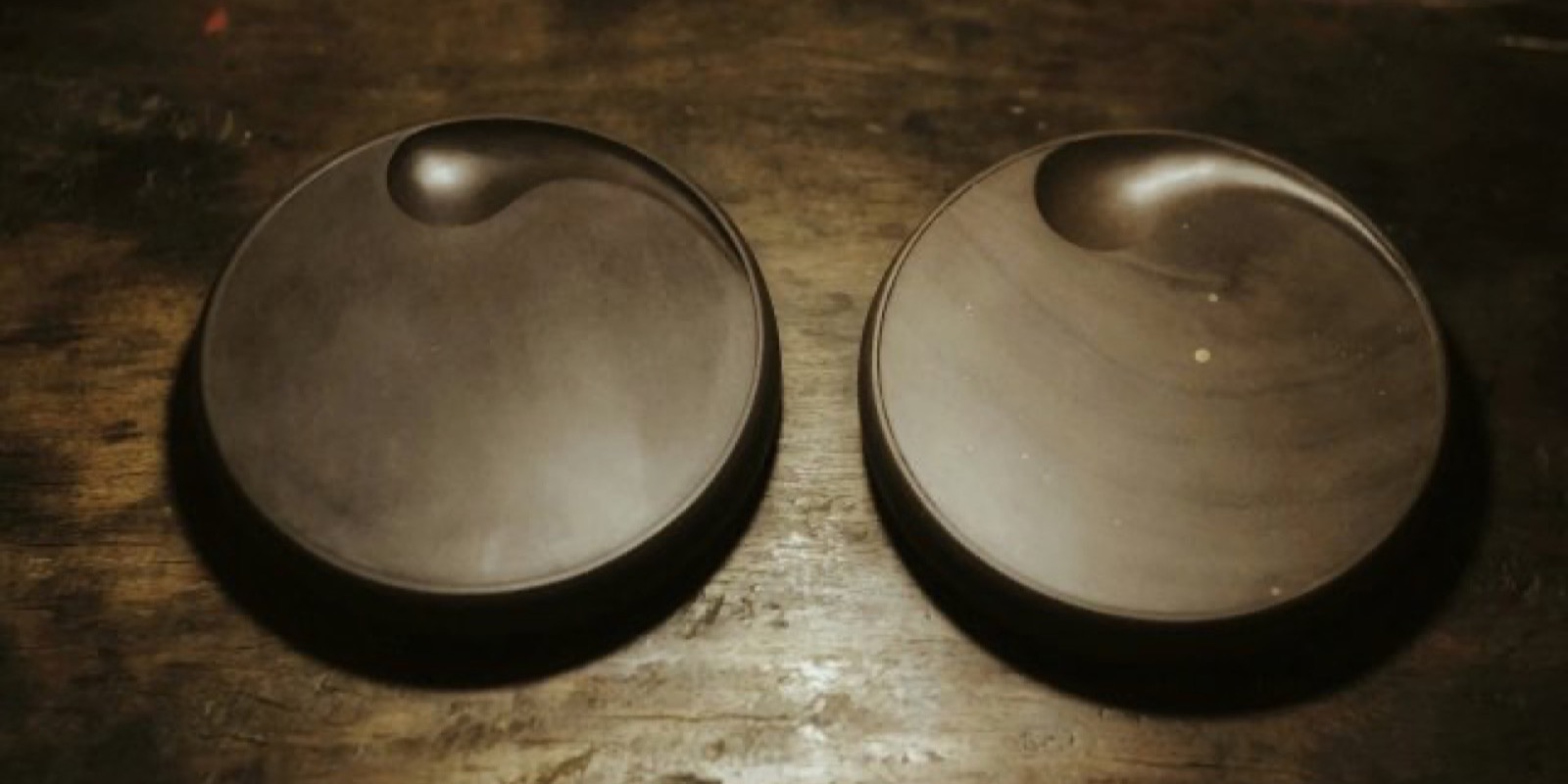
A Pair Cut From the Same Stone, Reading Differently
Two stone drum inkstones, modeled on the shop's own collection of drum forms — same shape, same source, but the grain runs differently in each one.
-
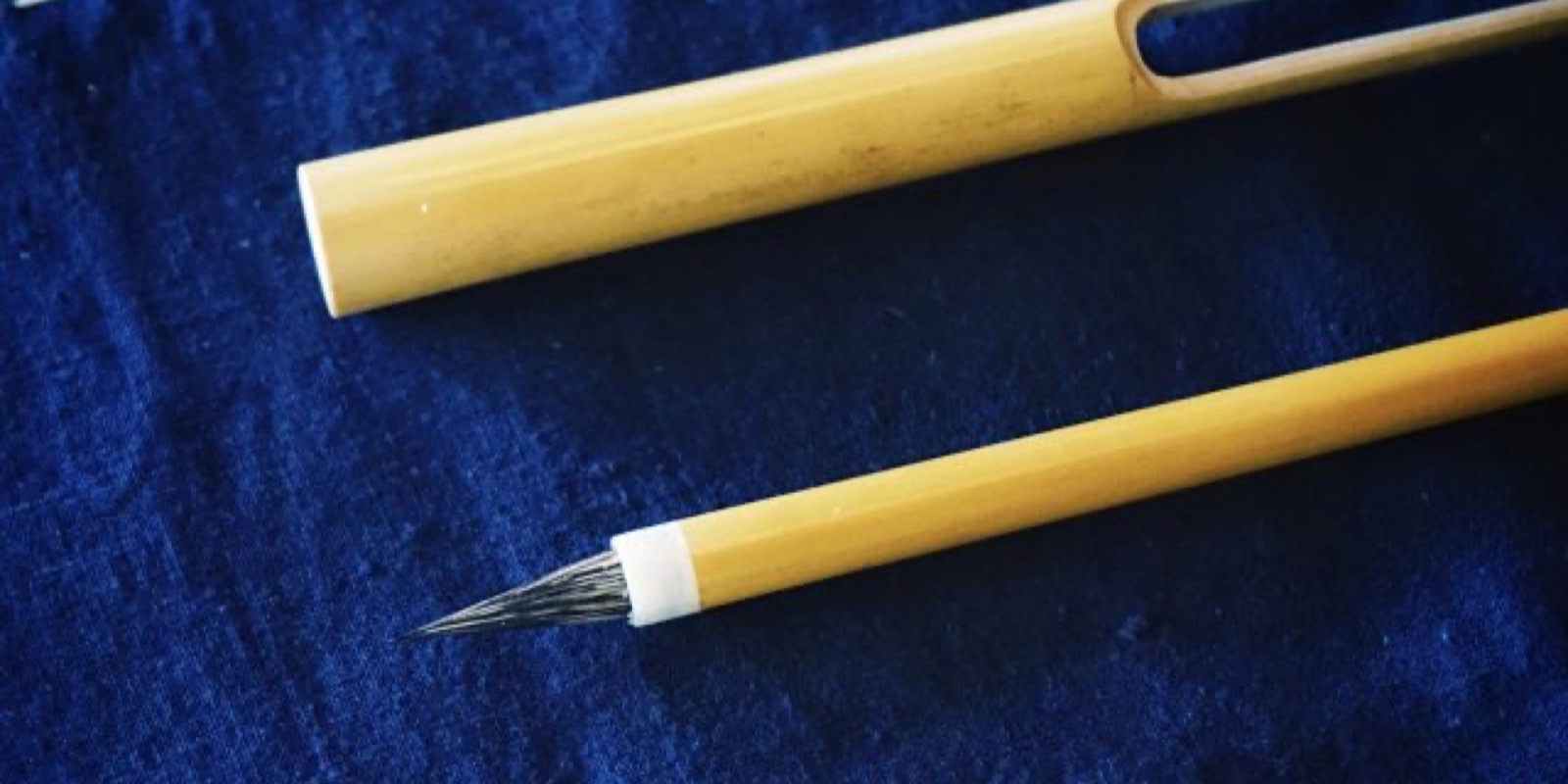
A Brush Pouch Copied From a 2,000-Year-Old Tomb
The travel-pouch brush's design comes from an actual Qin-dynasty burial find — three brushes, bamboo-handled, kept in a hollowed travel case. Xu Huarong rebuilt the idea, five drafts deep, in pure rabbit hair.
-
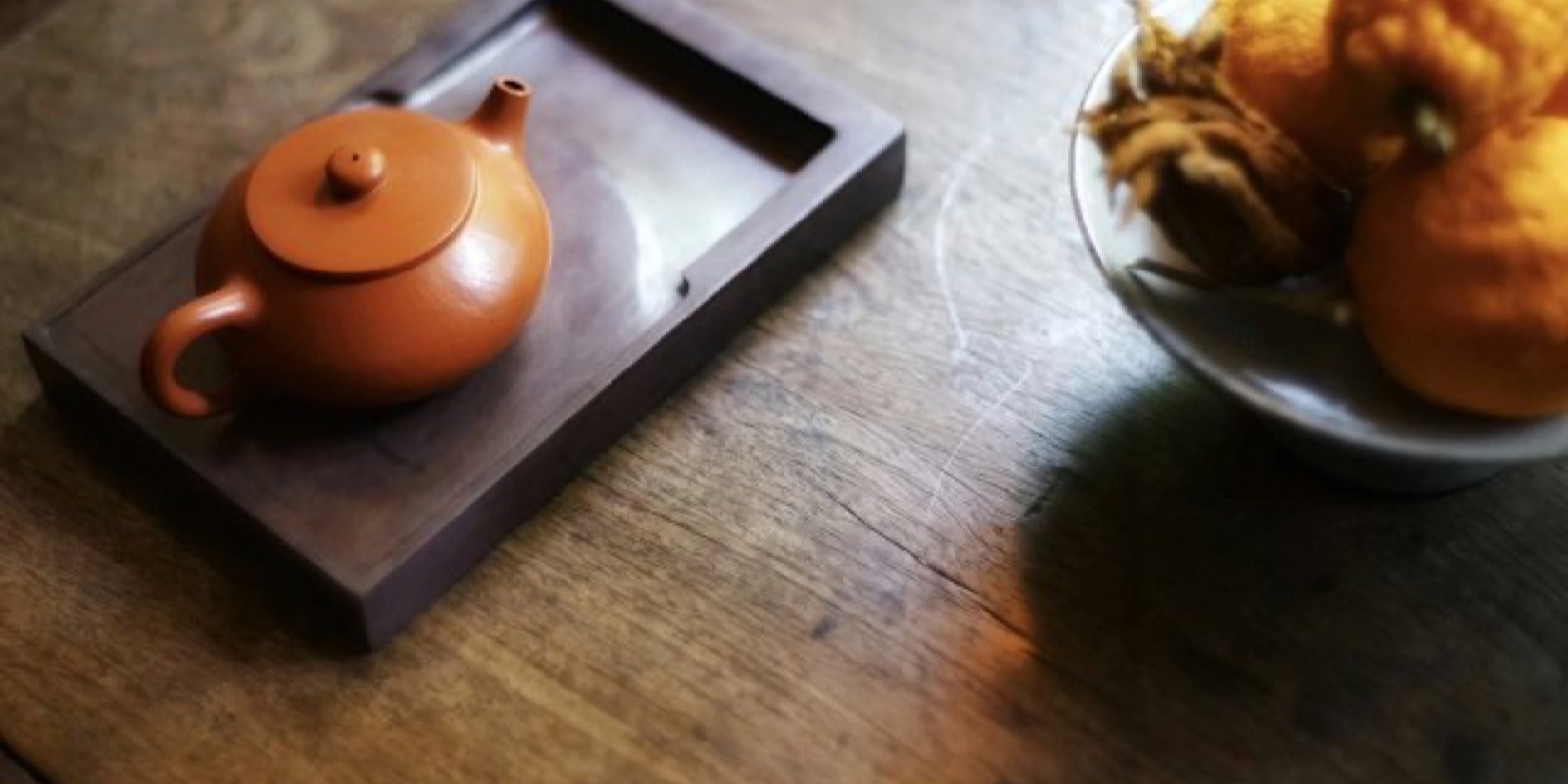
A Different Quarry, the Color of Liver
Most of this series comes from Kengzai stone. This piece comes from a different historic quarry entirely — Beiling Song-pit, with a deep liver-purple color none of the others share.
-
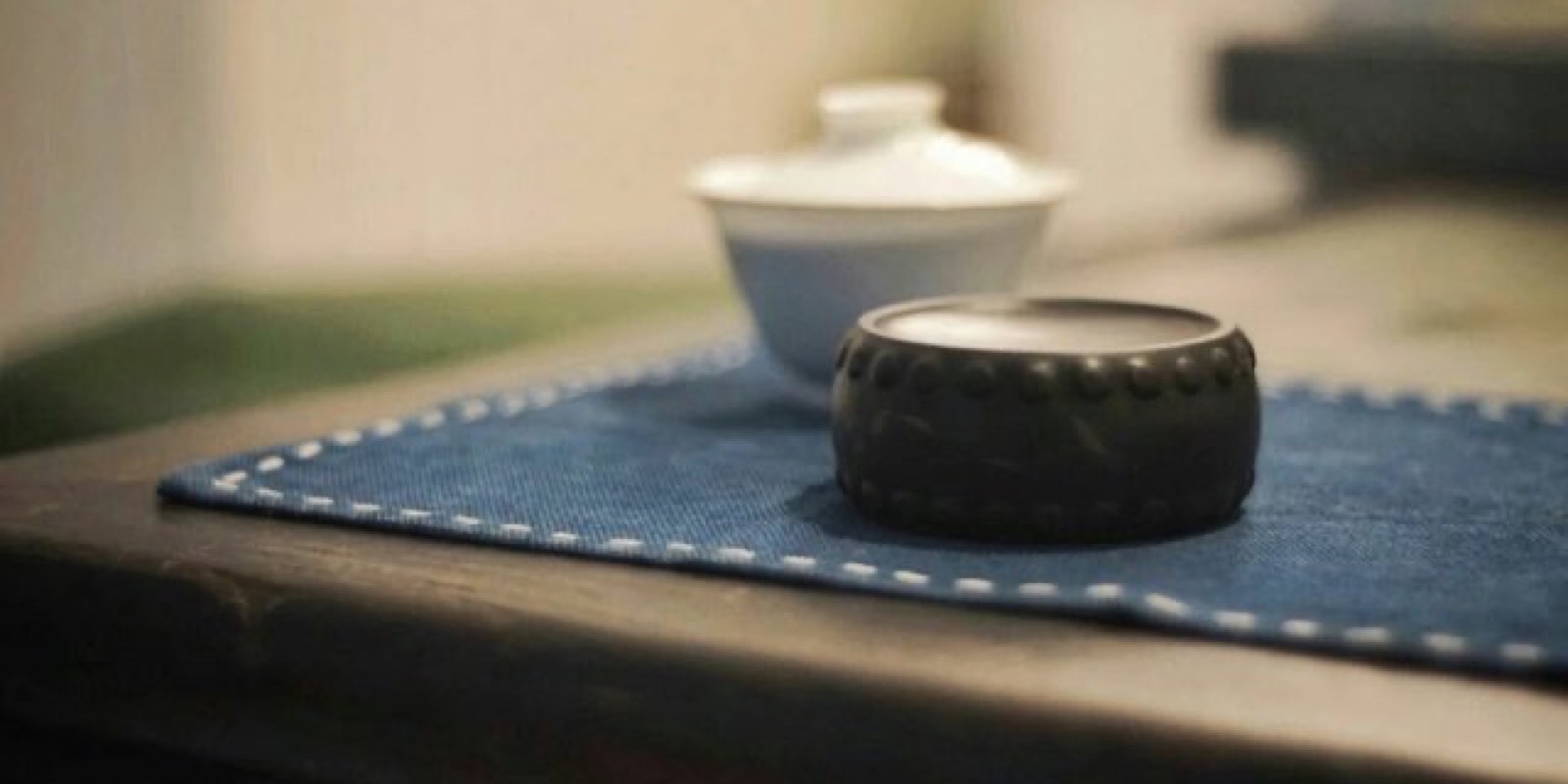
An Inkstone That Doubles as a Candle Holder
Five small drum-shaped inkstones, made because a stack of good old Kengzai stone was sitting in storage — and because the same shape happens to also hold a candle.
-
The Saying About a Thousand Cups
"Drink a thousand cups of red tea, and it's still pointless if you haven't tried Xiao Chi Gan." The same saying, the same tea, now in a bag.
-
The Smoke That Takes Centuries to Get Right
Pine-smoked Lapsang Souchong is the oldest black tea processing method in the world — and it comes in three grades. This is the top one, now in a bag.
-
The Famous One, Now in a Bag
Jin Jun Mei needs 75,000 single buds for half a kilo. Five years into the Jiang family partnership, it got the same whole-leaf tea bag treatment as everything else.
-
Why We Stopped Selling Broken Tea
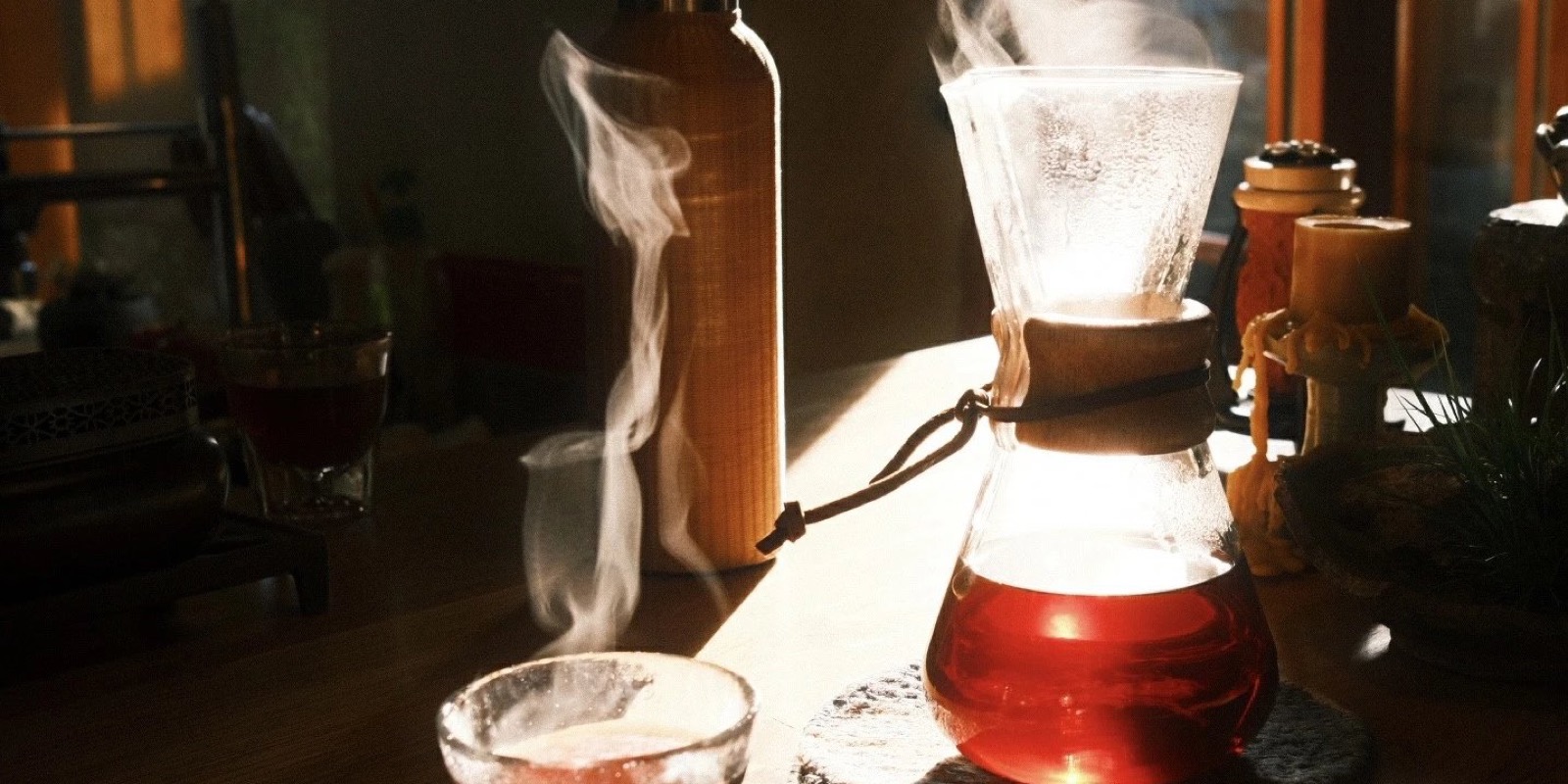
In 2015, Baoputang made a deliberate choice about tea bags: whole leaf only, never dust or fannings — even when that makes the format harder to produce.
-
A Brush That Took Two Years
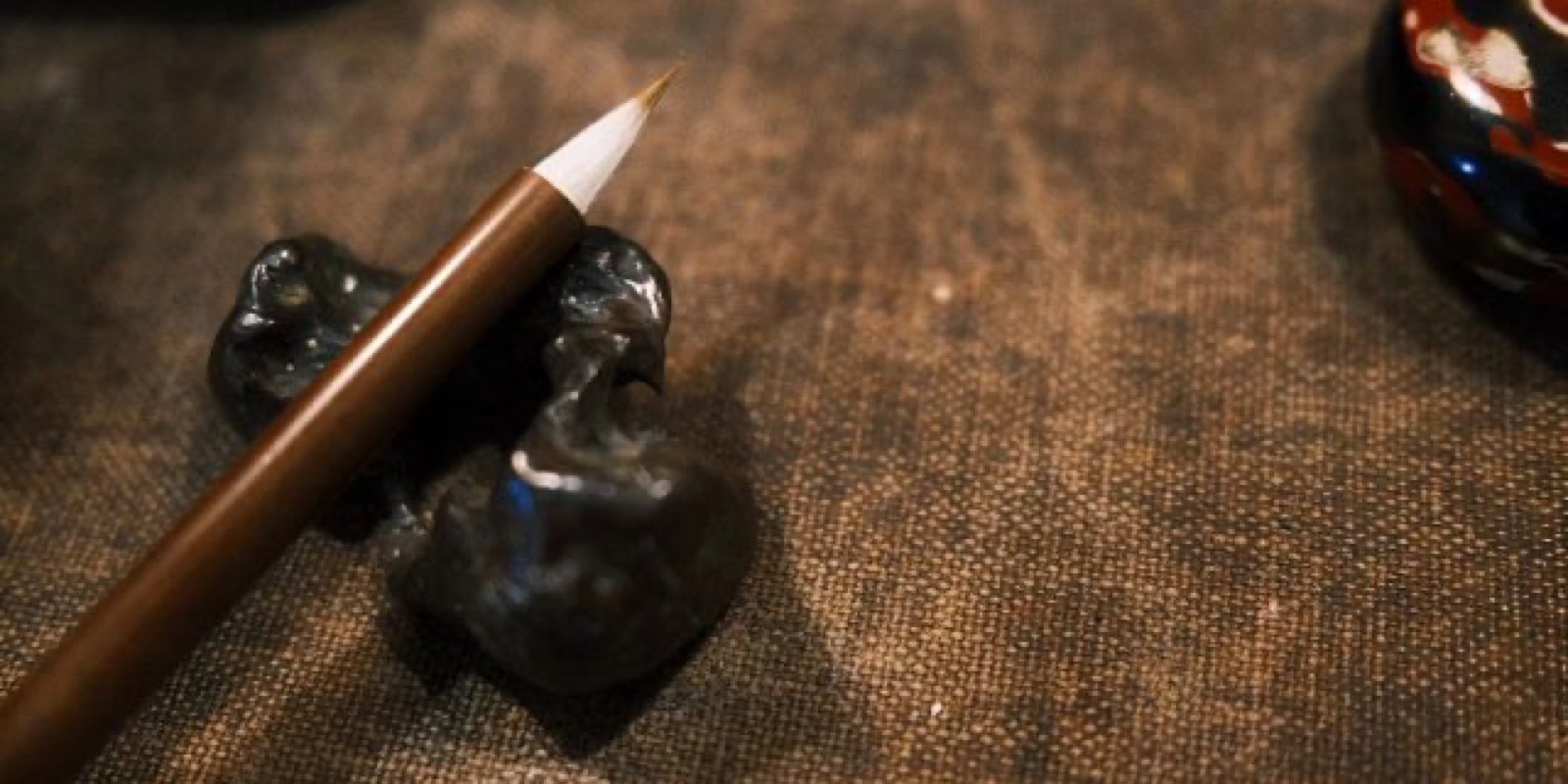
Xu Huarong is China's only recognized intangible-heritage transmitter for chicken-wolf-hair brushes, a technique tracing back to Su Dongpo's exile. This one took two years to finish.
-
The Pot That Started a Program
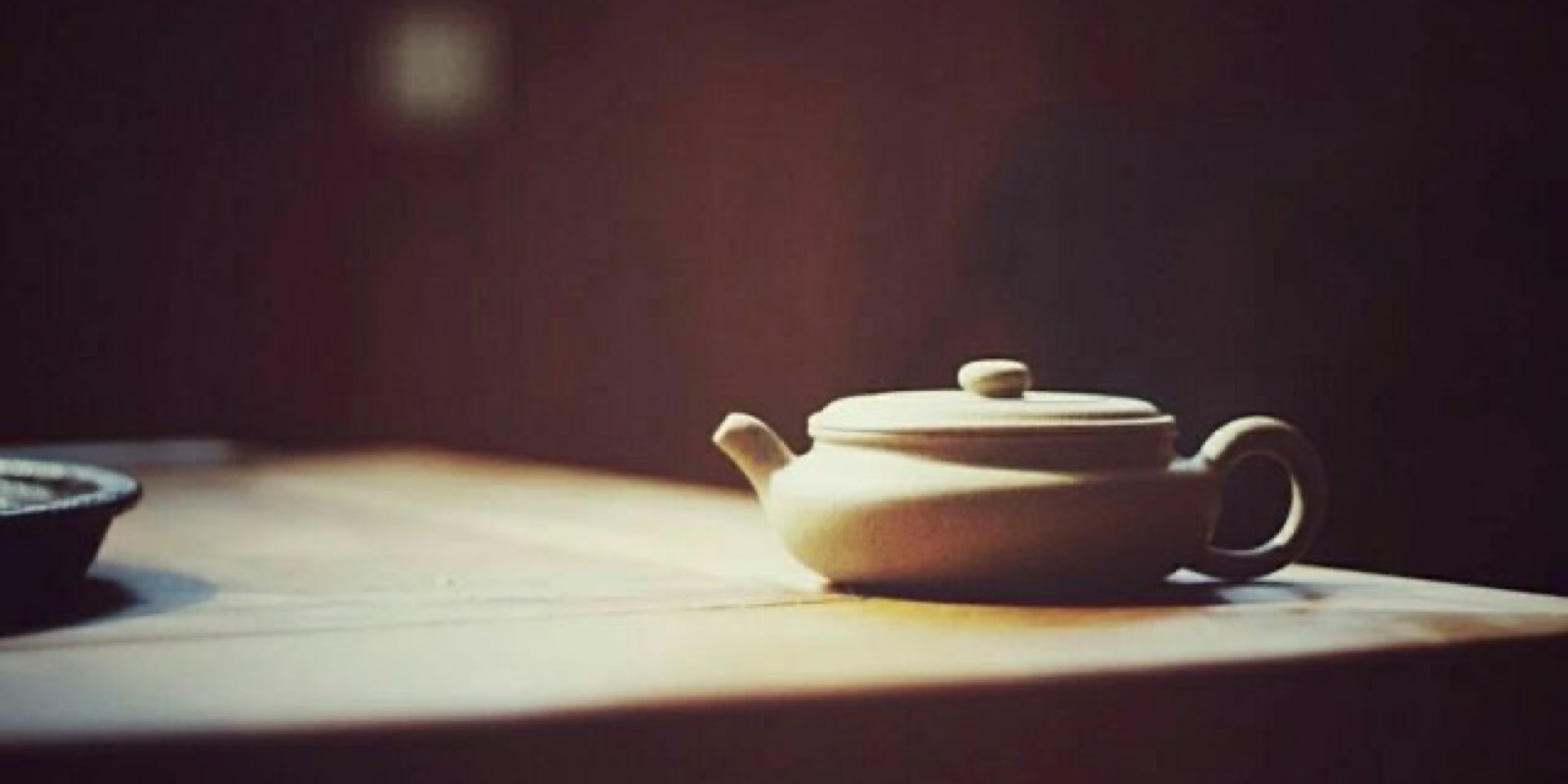
An old zhuni pot in storage, too rare to find again, set off a years-long project to commission good, honestly-made teapots — starting with this one, from clay aged a decade.
-
A Cup Made for Drinking Alone
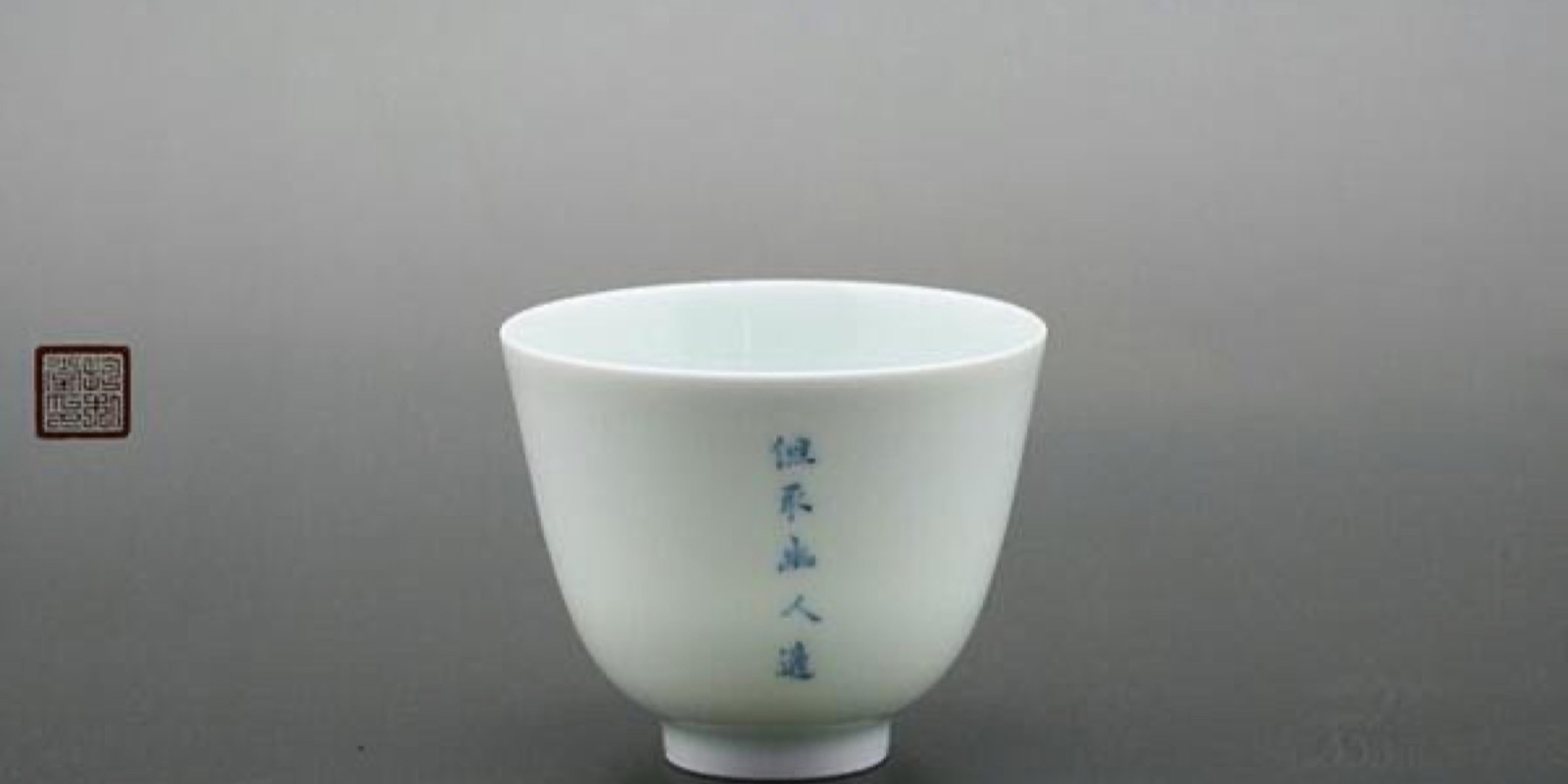
"Drinking alone is called divine; with one guest, it's called excellent." A cup designed around that line — built to remove the fairness pitcher and simplify tea down to one pot, one cup.
-
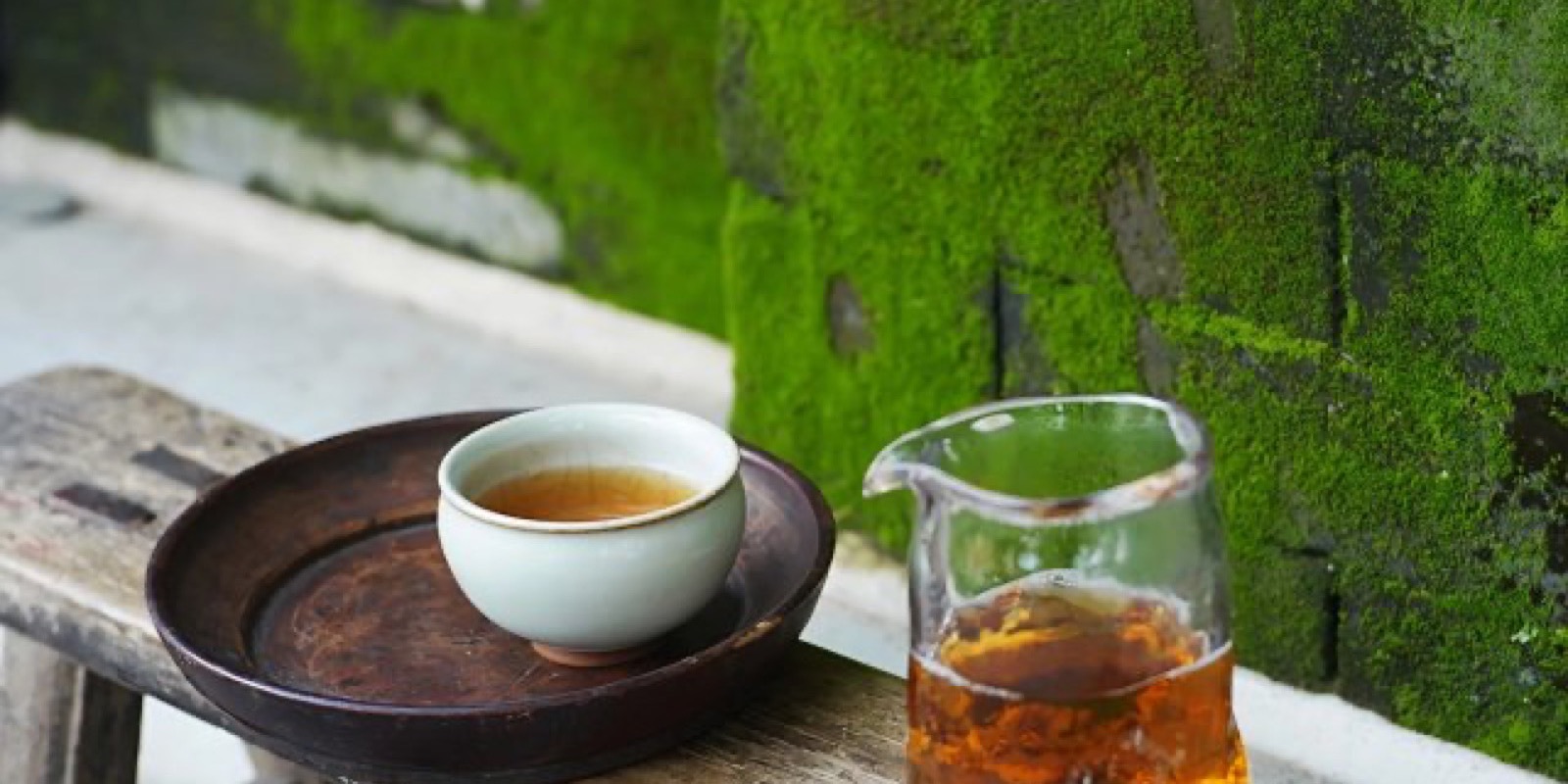
The Yellow Tea Almost No One Makes Anymore
Yellow tea is China's rarest of the six tea categories — and this one takes more than ten days to ferment, against the two or three days ordinary yellow tea allows.
-
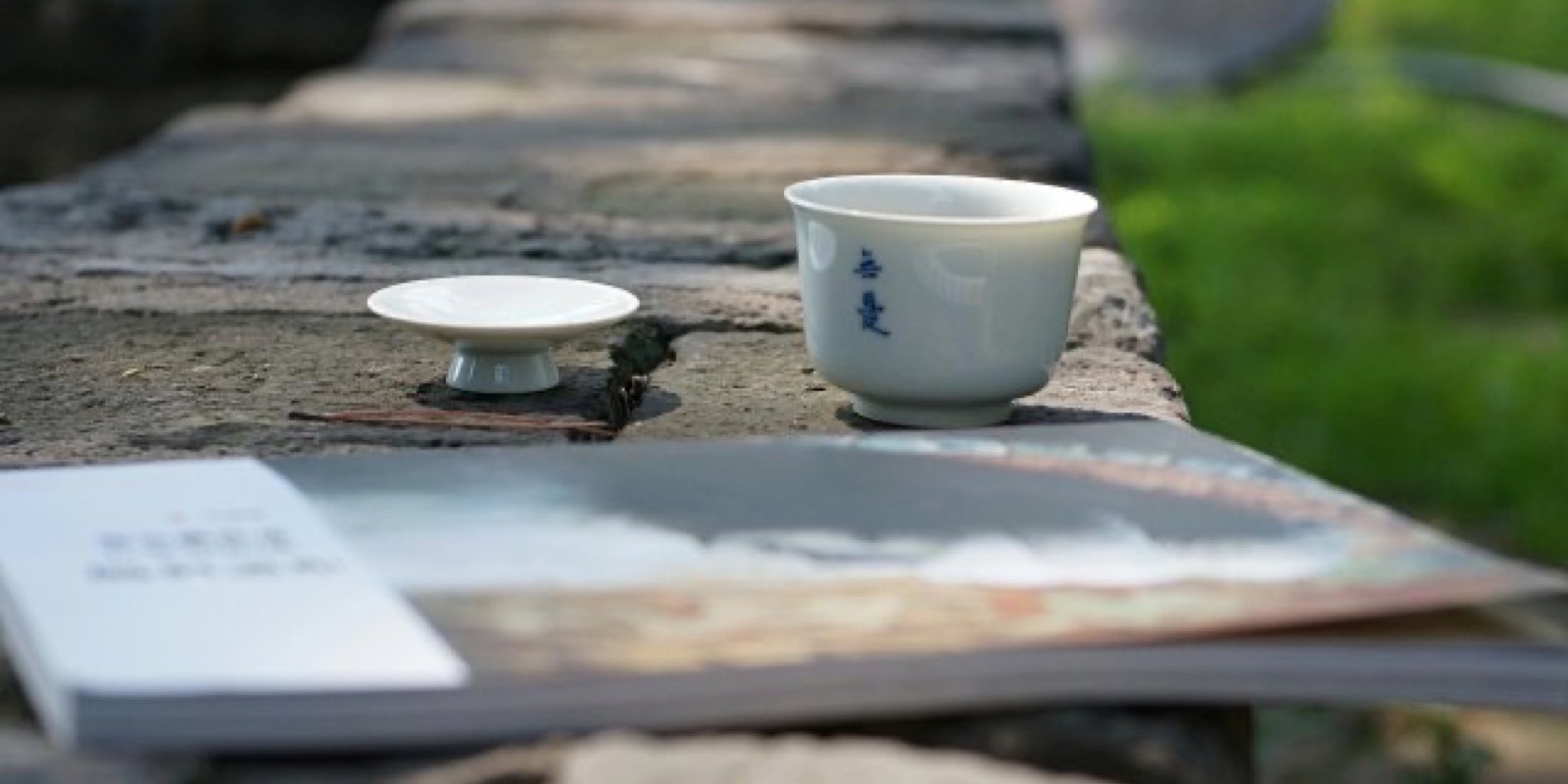
A Calligrapher's Hand, Borrowed for the Tea Table
Baoputang met the Zhenhuan workshop over a piece of writing, years before commissioning any teaware. This gaiwan is the latest of several pieces carrying their calligraphy.
-
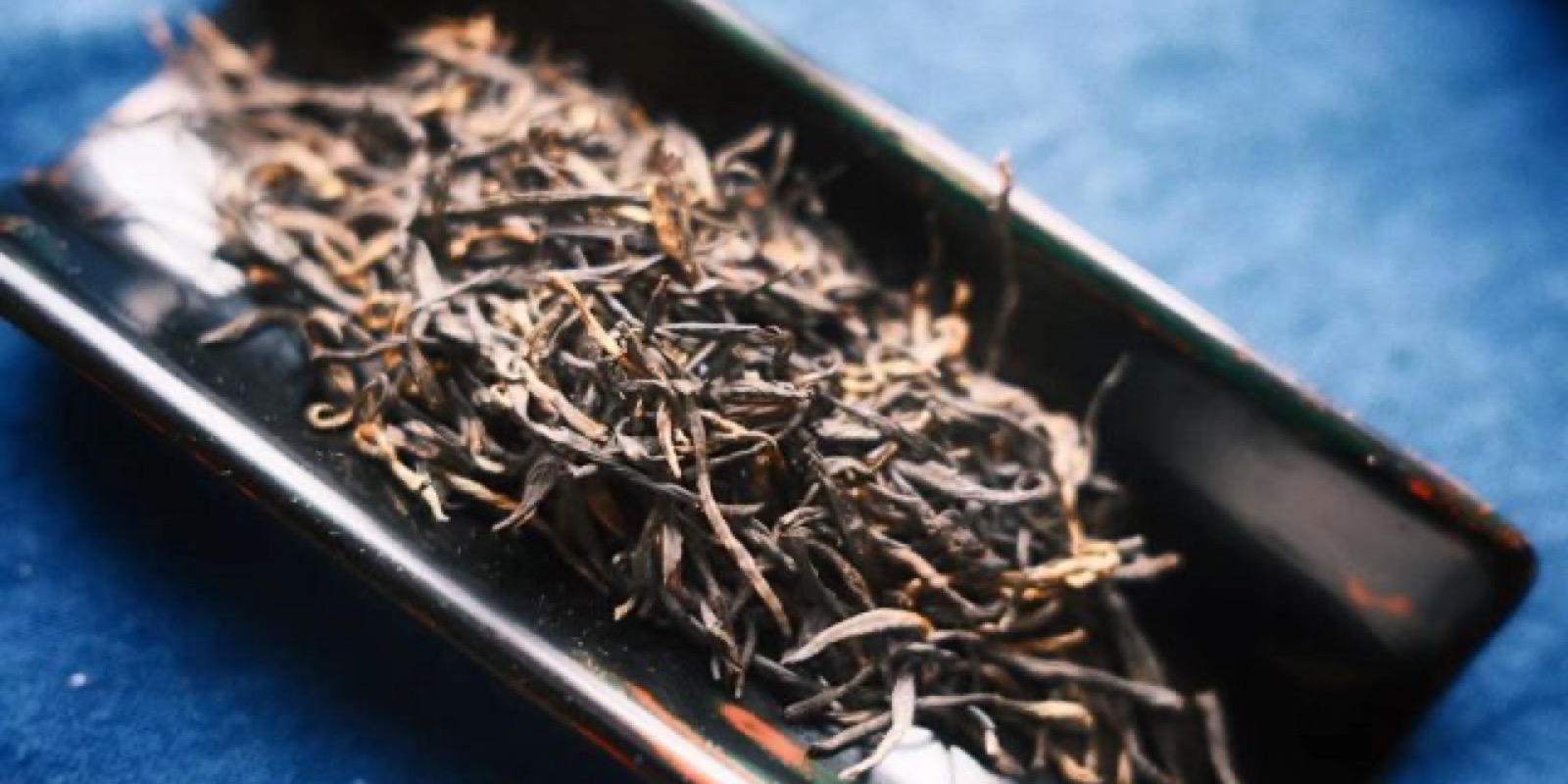
A Flower That Leaves Before You Drink It
This year's new experiment: a Qimen black tea scented with Shandong rose, then sifted clean — no petals left in the dry leaf, just what the tea absorbed.
-
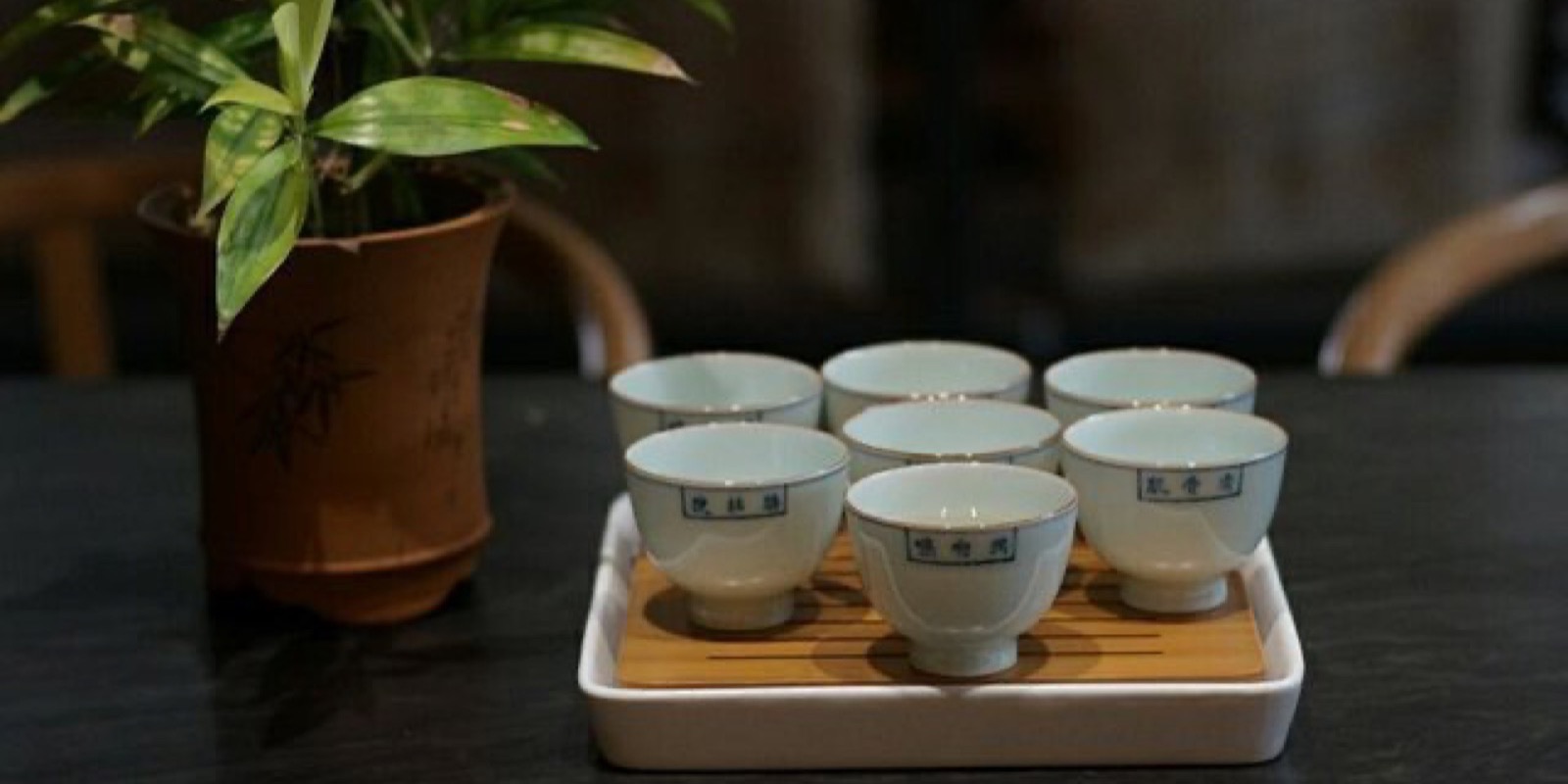
A Poem You Drink One Bowl at a Time
Seven cups, one Tang-dynasty poem about tea — each cup engraved with a line from Lu Tong's "Seven Bowls of Tea," meant to be read the way they're meant to be used.
-
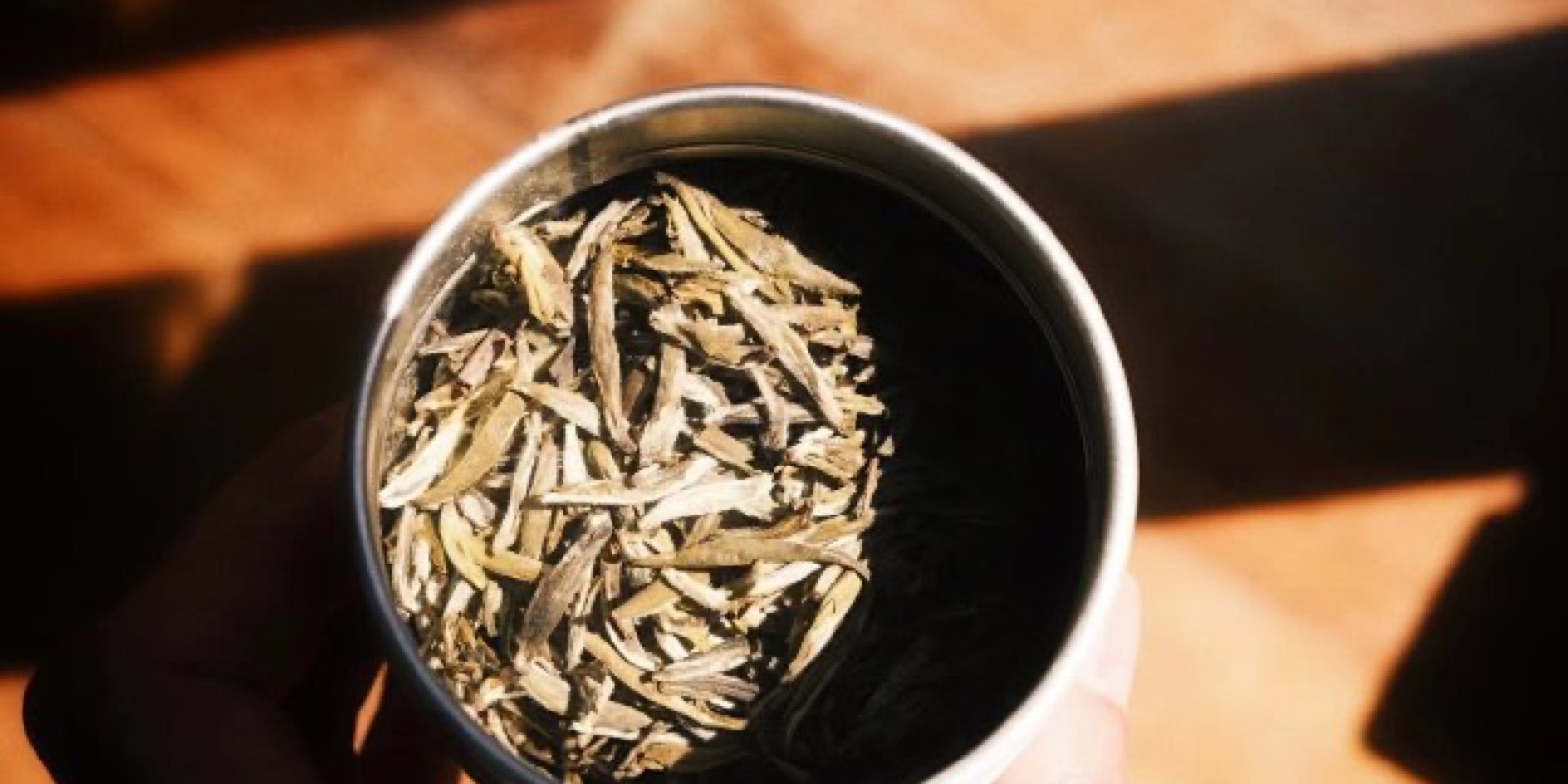
Eight Rounds, Twelve Hours Each
Yu Bing Qing starts as bud-only white tea, the same grade as Silver Needle — then spends over a month absorbing jasmine, eight separate times, before it's finished.
-
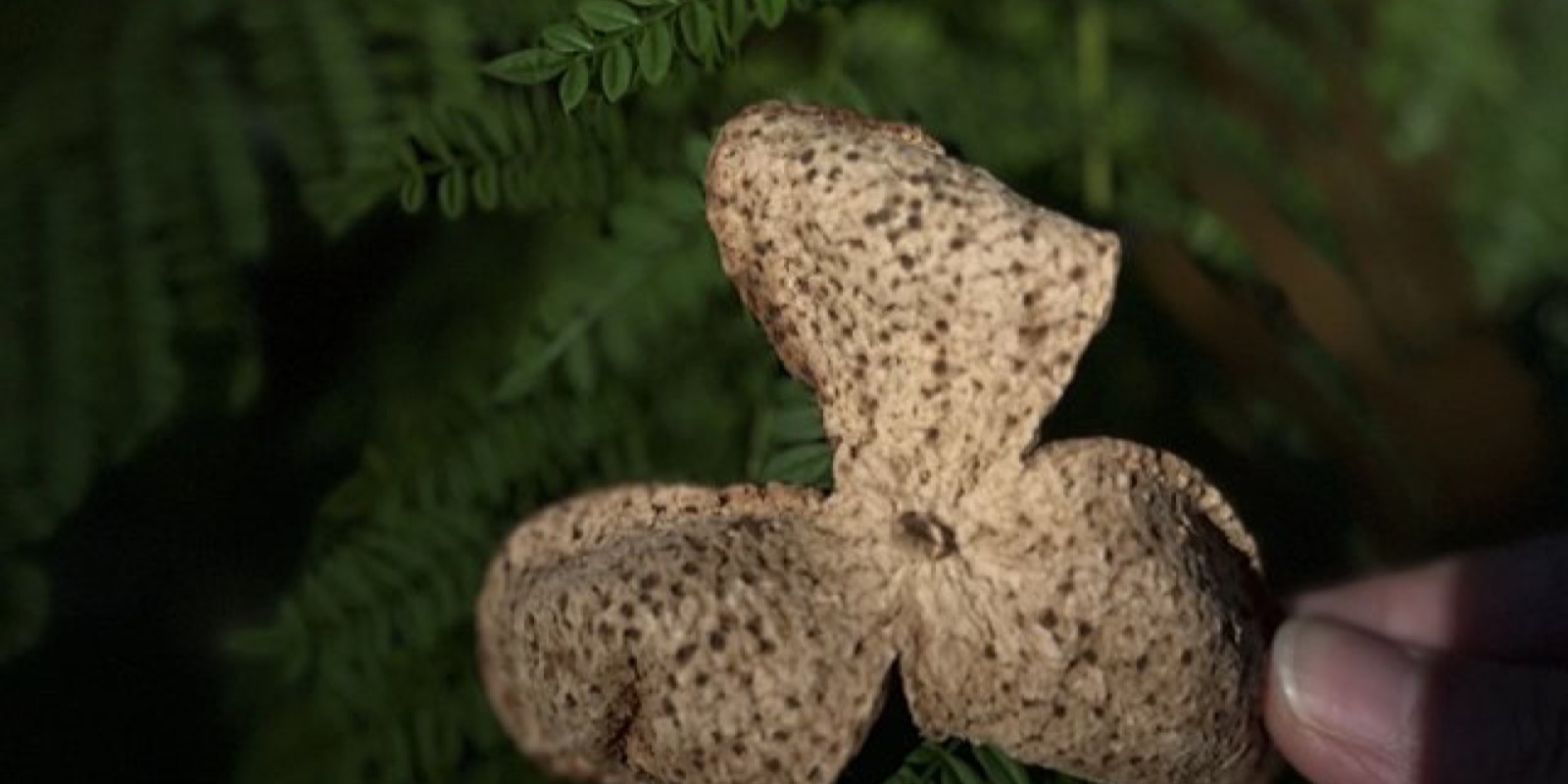
A Boundary You Can See From the Ground
The most prized growing zone for Xinhui chenpi isn't marked by any fence — it's defined by whether you can see a pagoda on a distant hill.
-
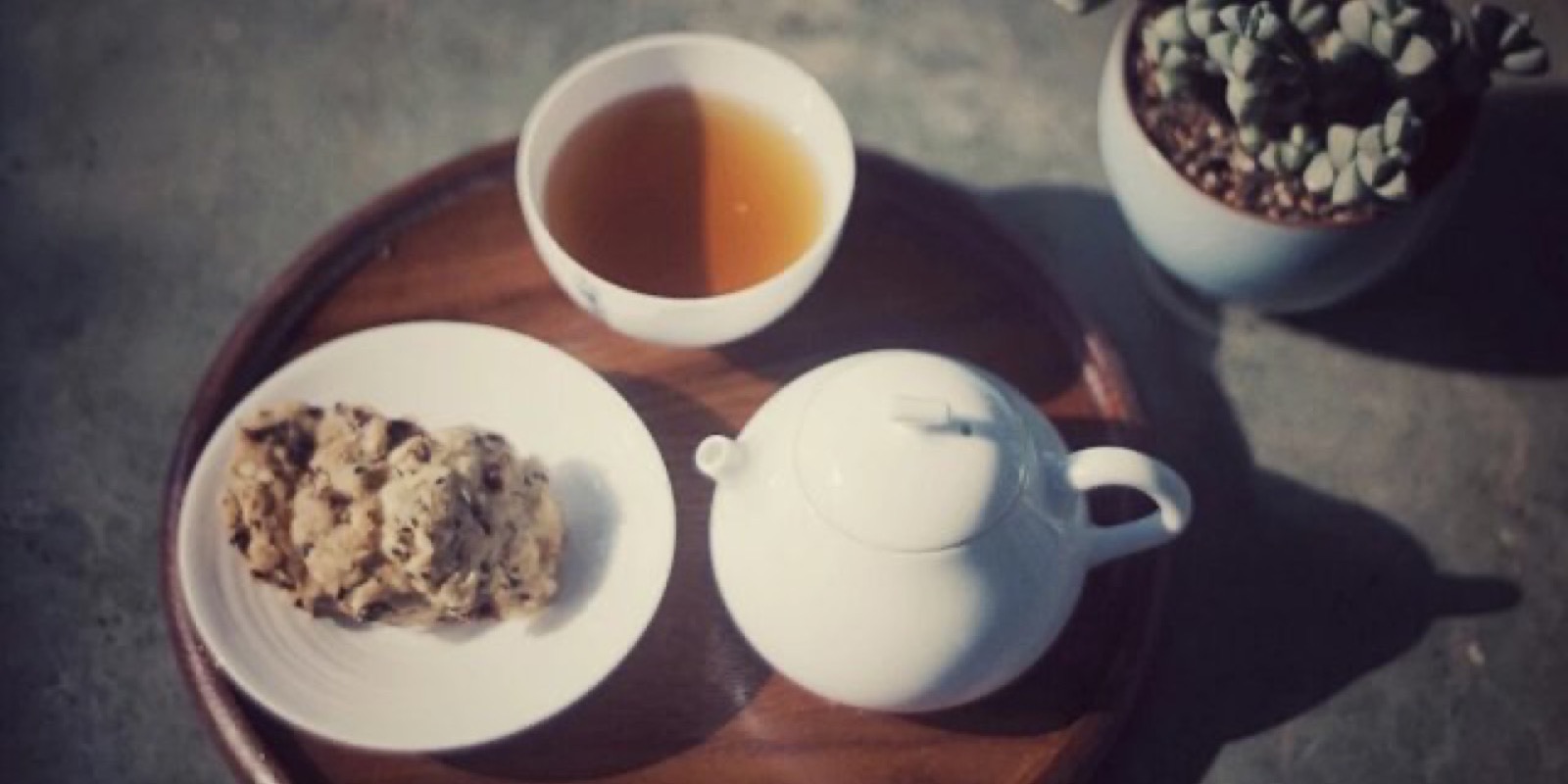
The Red Tea That Came Before the Partnership
Before Baoputang ever met the Jiang family of Tongmuguan, there was already a house red — a Yunnan Dianhong recipe unchanged since 2008.
-
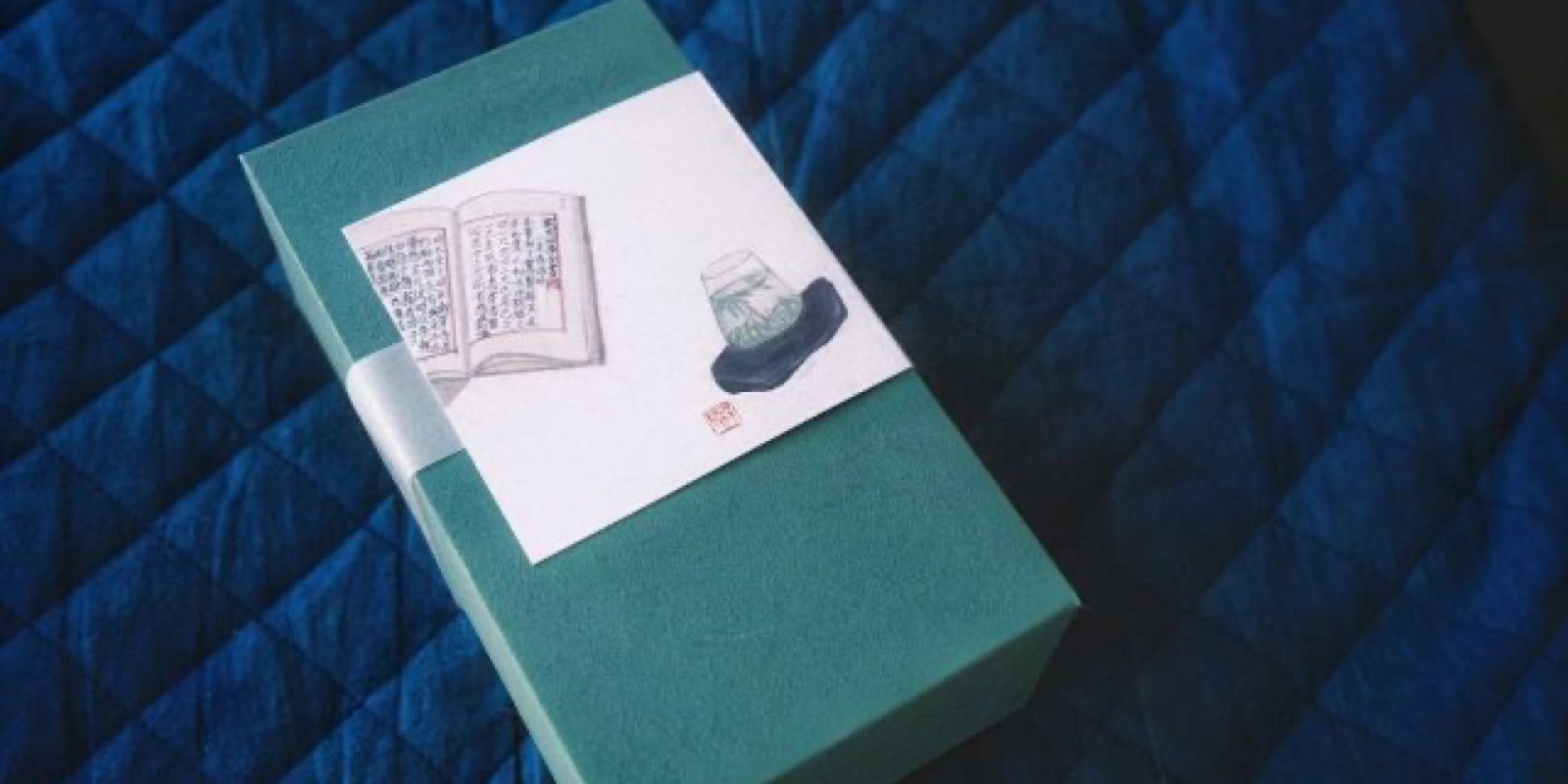
The Tea Lu Yu Ranked First
"Mengshan's peak, the tea — Yangzi's heart, the water," Bai Juyi wrote. Lu Yu went further, ranking it above every tea he'd tasted. One of China's oldest named teas, picked at first opening.
-
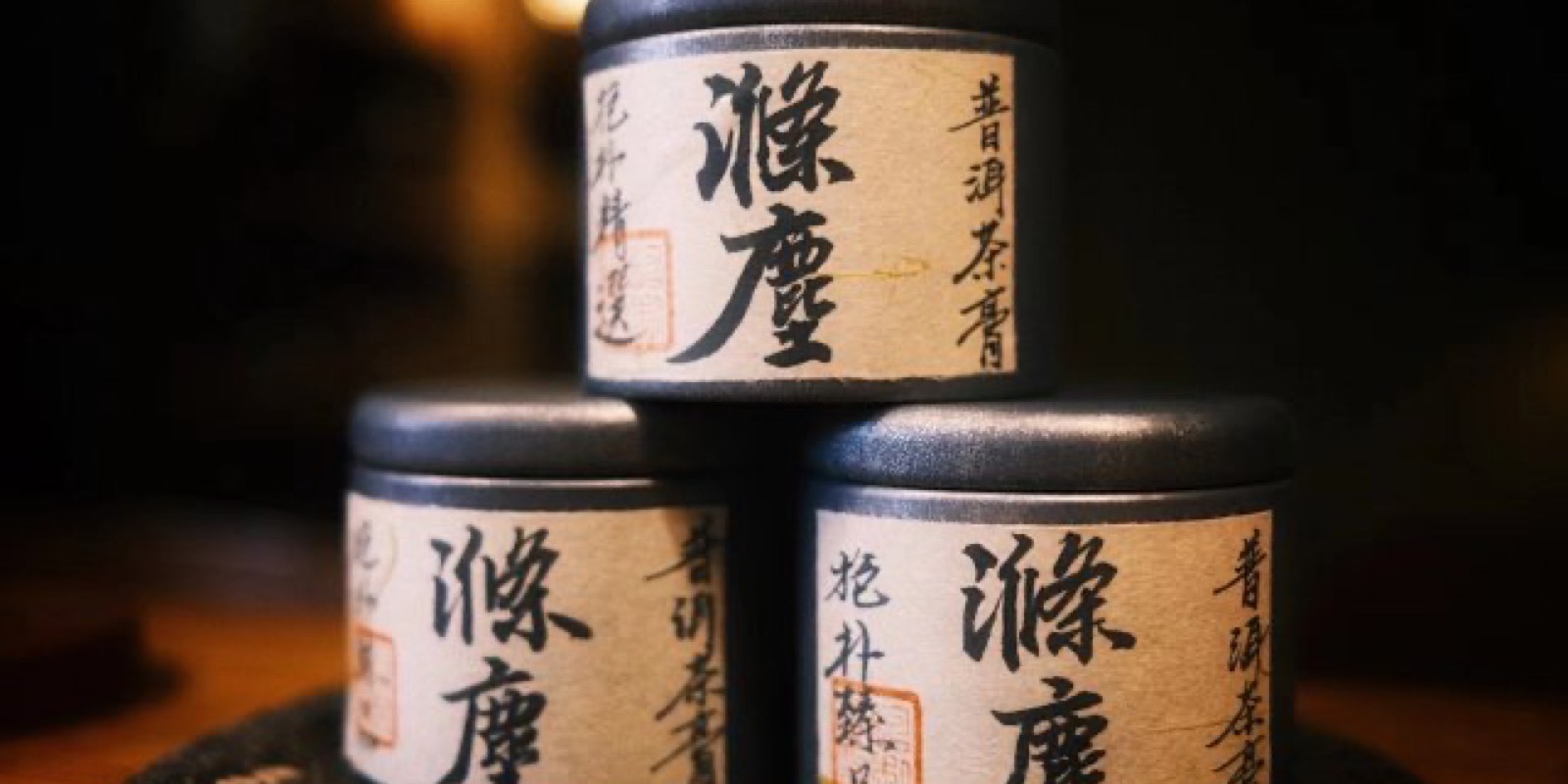
One Hundred Kilograms In, Five Kilograms Out
Tea paste was once a Qing-court secret, pressed by 186 steps for the emperor alone. The modern version takes 100 kilograms of loose tea to yield five kilograms of paste.
-
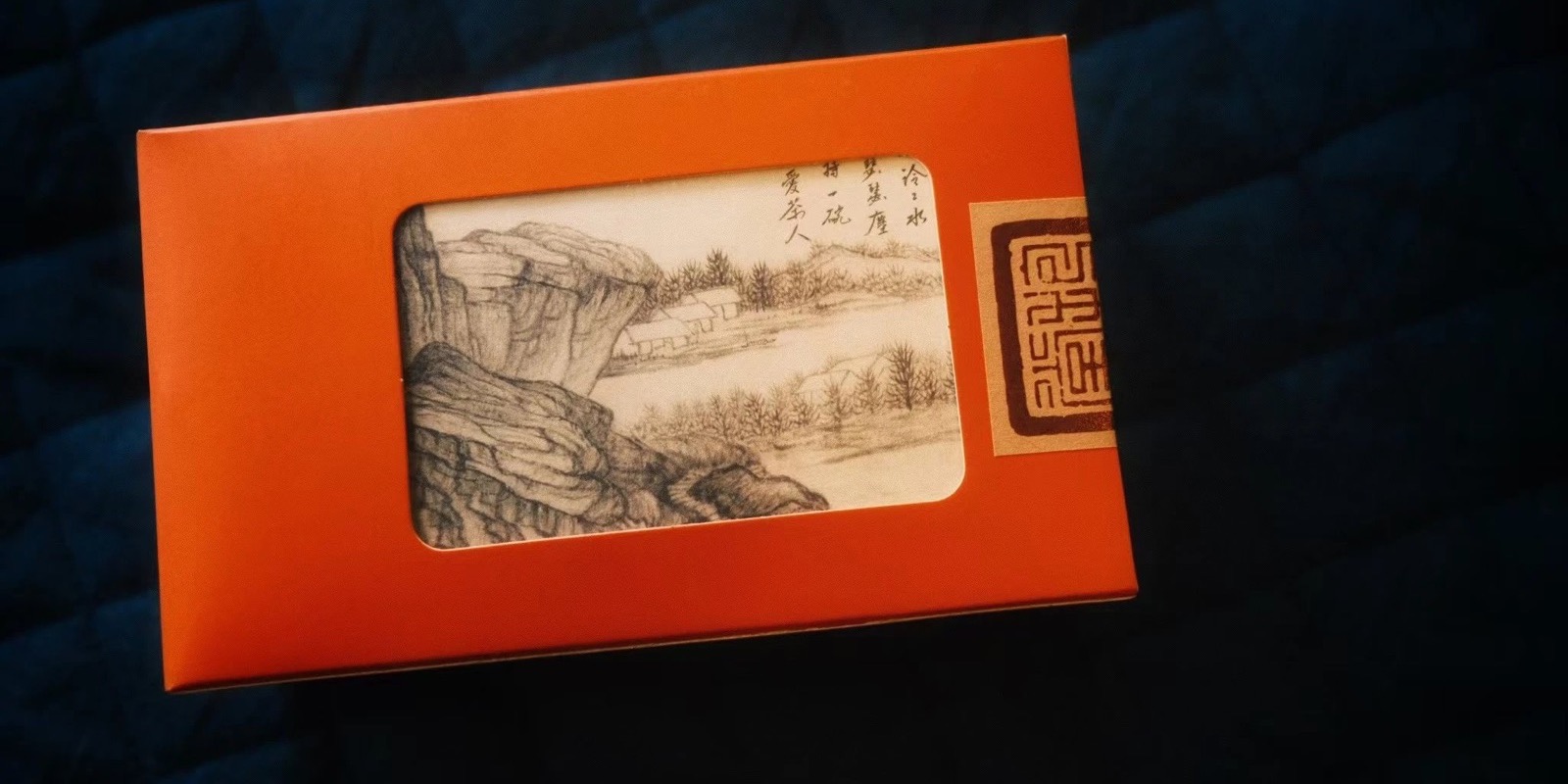
The Cliff Shaped Like a Reclining Buddha
Foguoyan takes its name from a rock formation said to resemble a sleeping Buddha. The cinnamon-spice rougui grown in its shadow tastes nothing like its more famous Wuyishan neighbors.
-
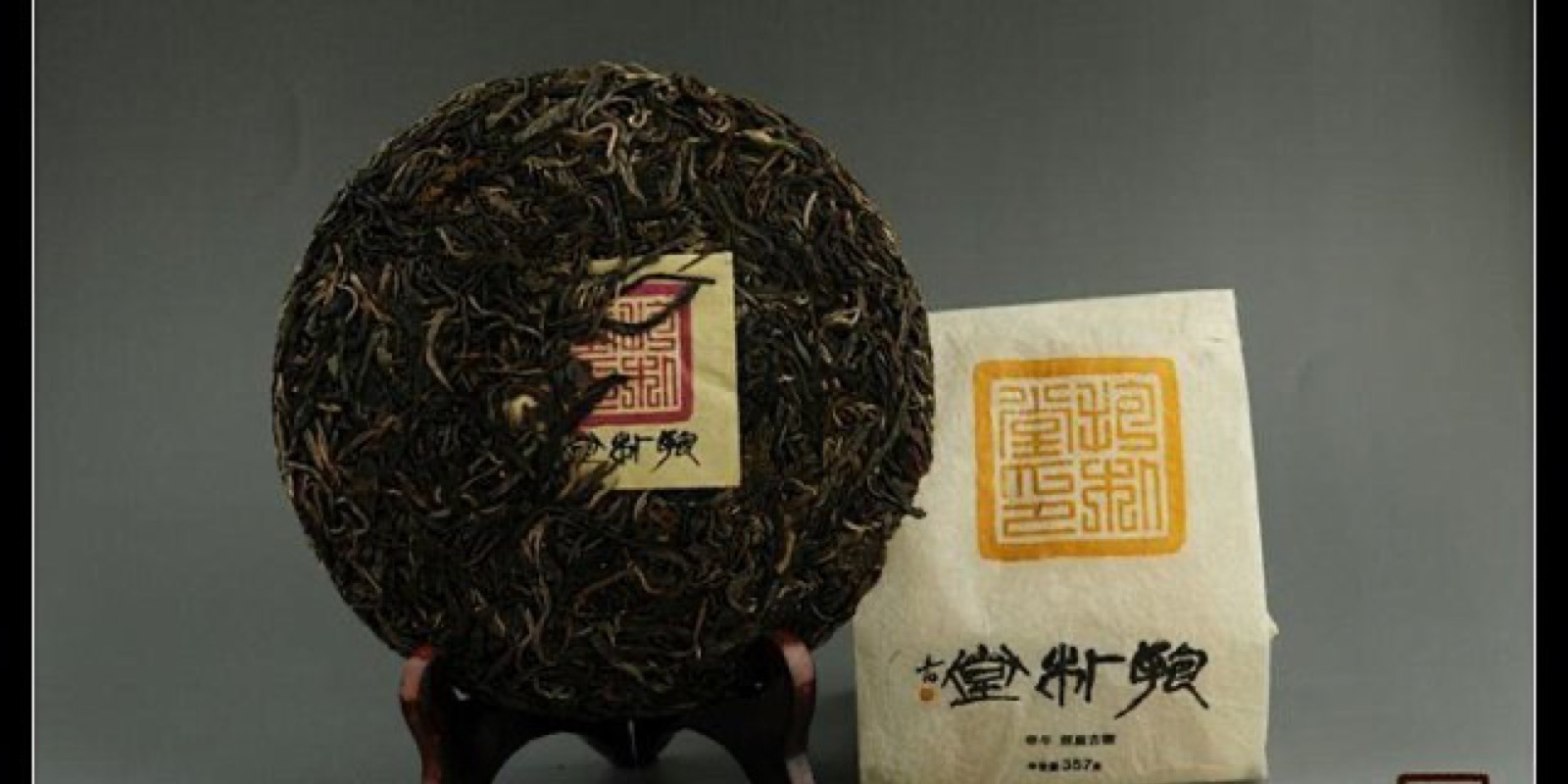
Where the Tea Tree Came From
Bangwei is where the "Tea King Tree" was found — the discovery that helped prove Yunnan as the birthplace of the tea plant itself.
-
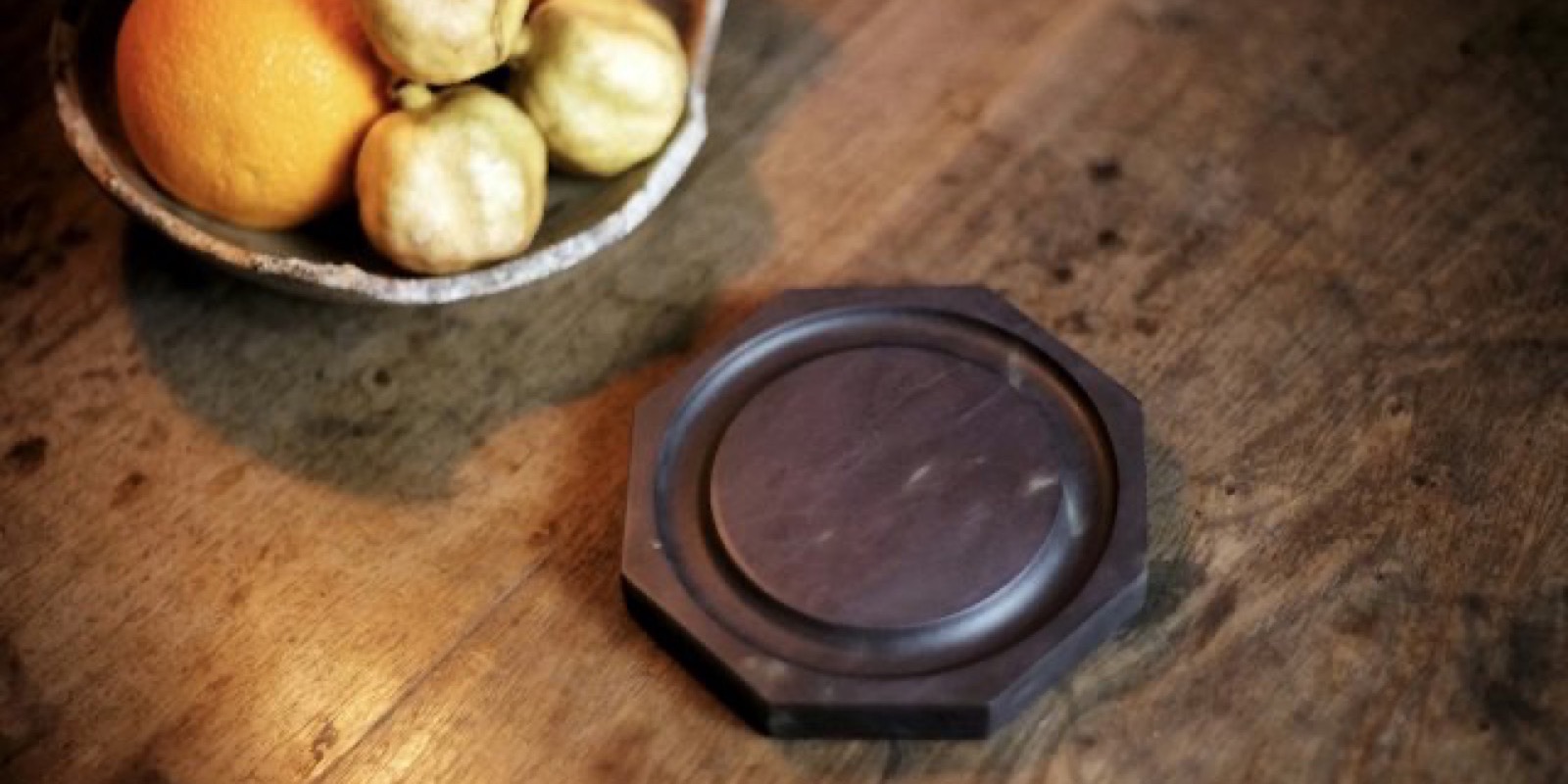
A Shape Borrowed From an Imperial Academy
The Biyong inkstone's round form, set inside an octagonal frame, copies the shape of a Han-dynasty imperial academy — moated on every side, round as a jade disc.
-
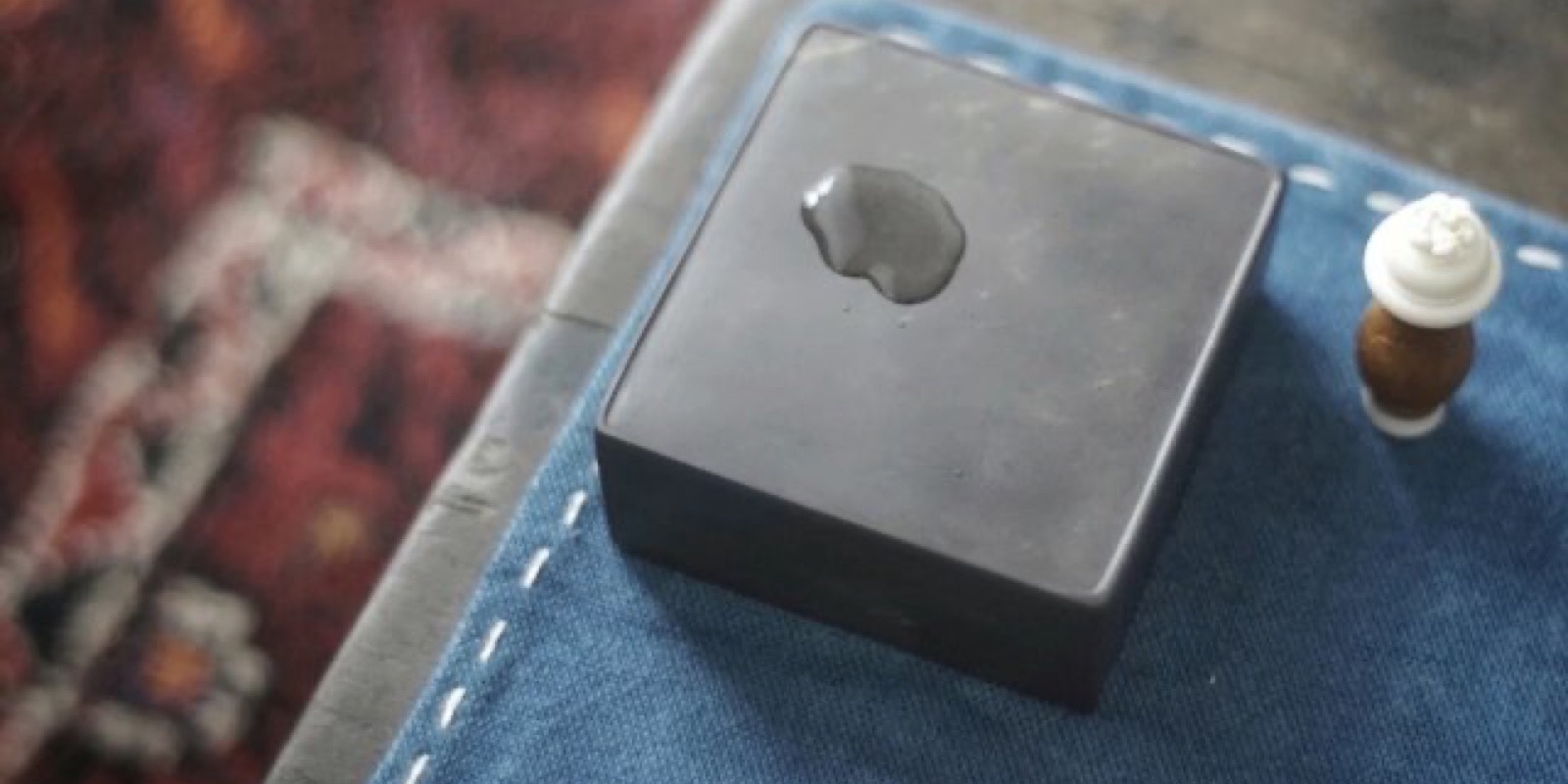
Stone That Aged Like Tea
A square Duan-stone inkstone made from quarry stock Baoputang had set aside since the 1960s — and a craft divided between two pairs of hands, sixty years apart.
-
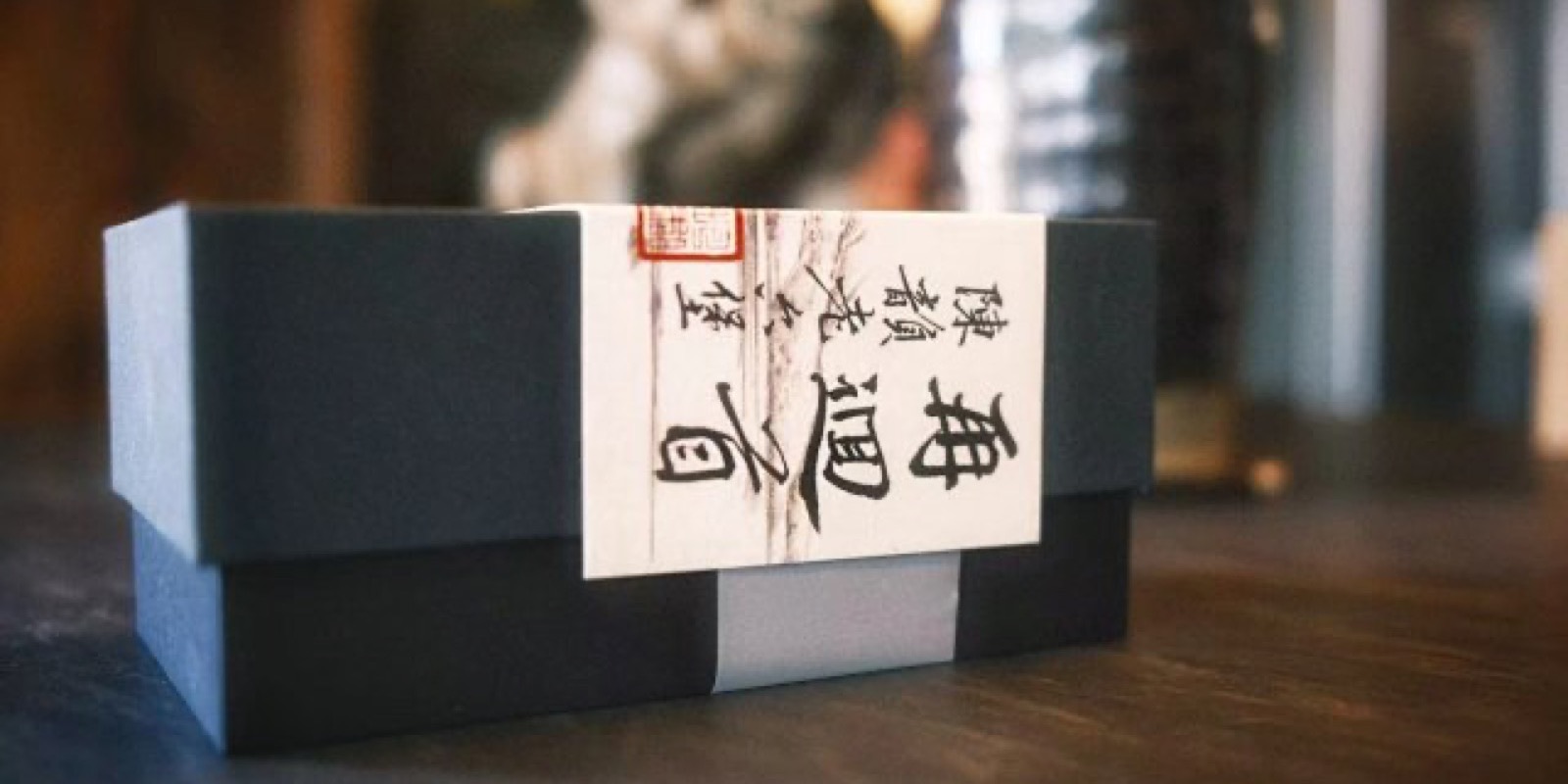
Two Paths Into the Same Aged Tea
Same origin, same era, same old-tree leaf — but a different fermentation method. What changes when you ferment with cold water instead of double-steaming and pressing.
-
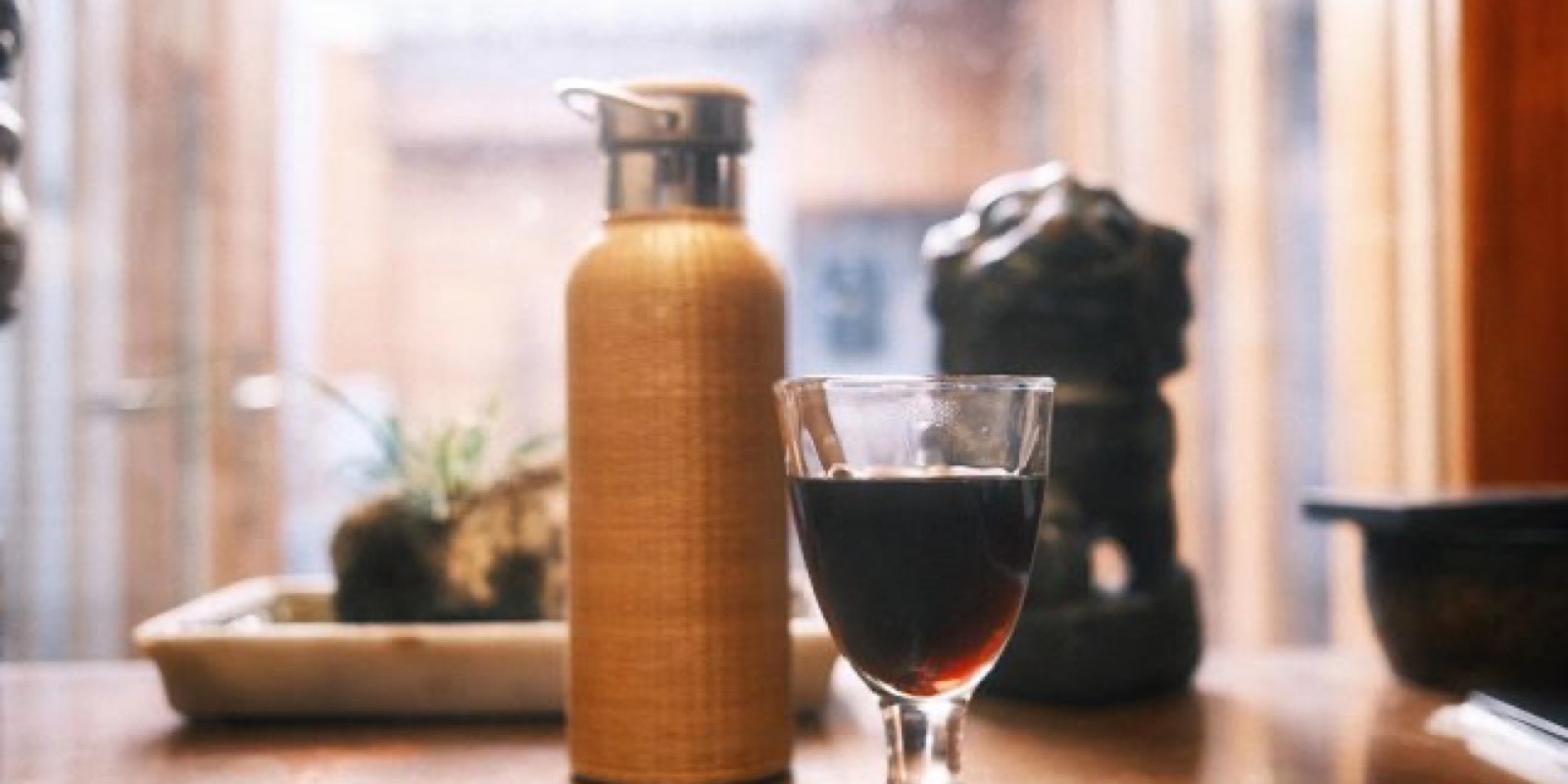
The Tea That Left and Came Back
Liubao once traveled the "Tea Boat Ancient Road" out to Malaysia, Singapore, Japan, France — sold abroad for generations before puerh's collecting boom brought it back home.
-
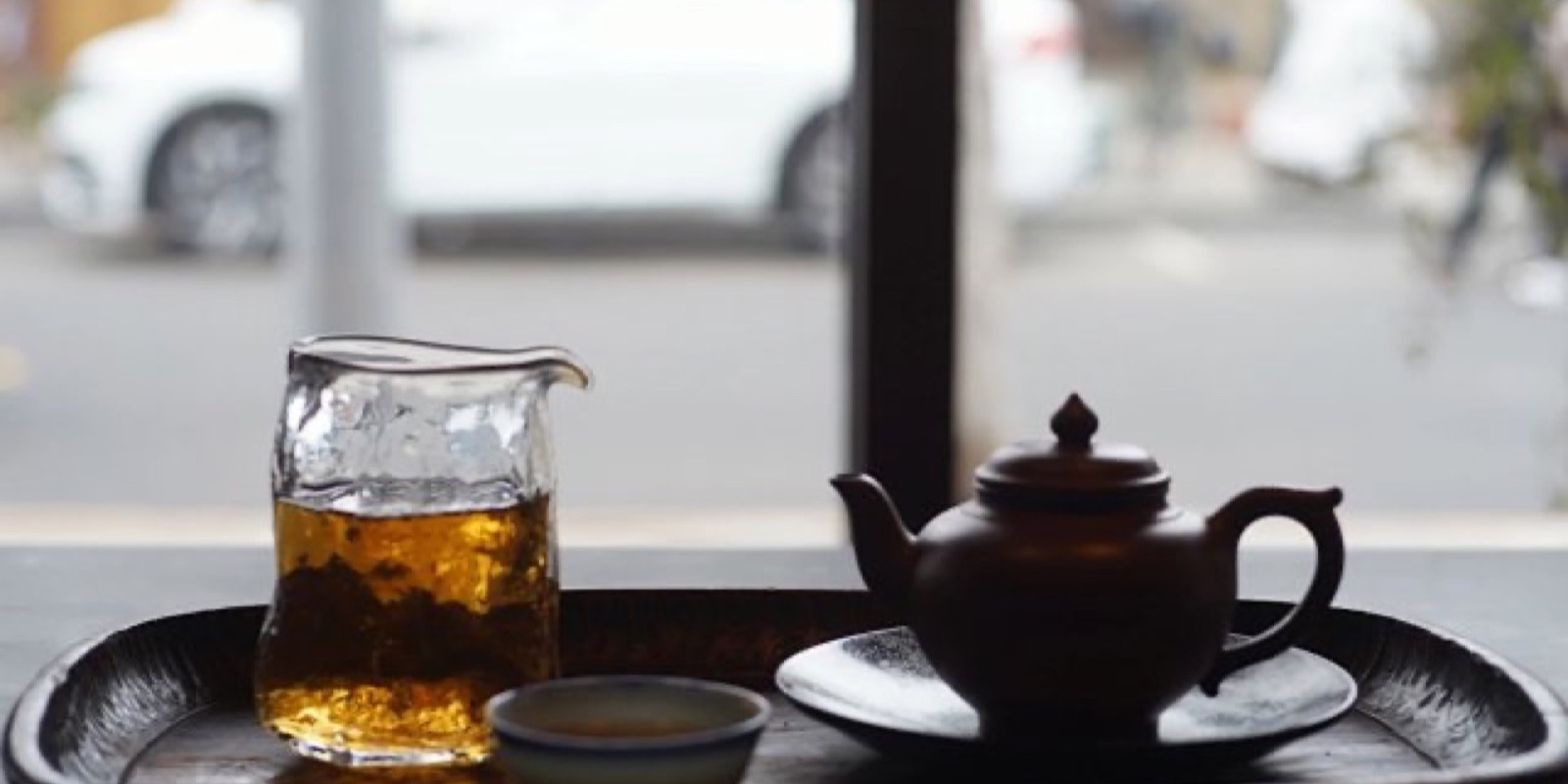
The Humblest Grade, the Longest Reward
Shoumei is white tea's plainest grade — more stem and leaf than bud, the part nobody photographs. It's also the one that ages furthest, through lotus leaf, through zongzi leaf, into dates and medicine.
-
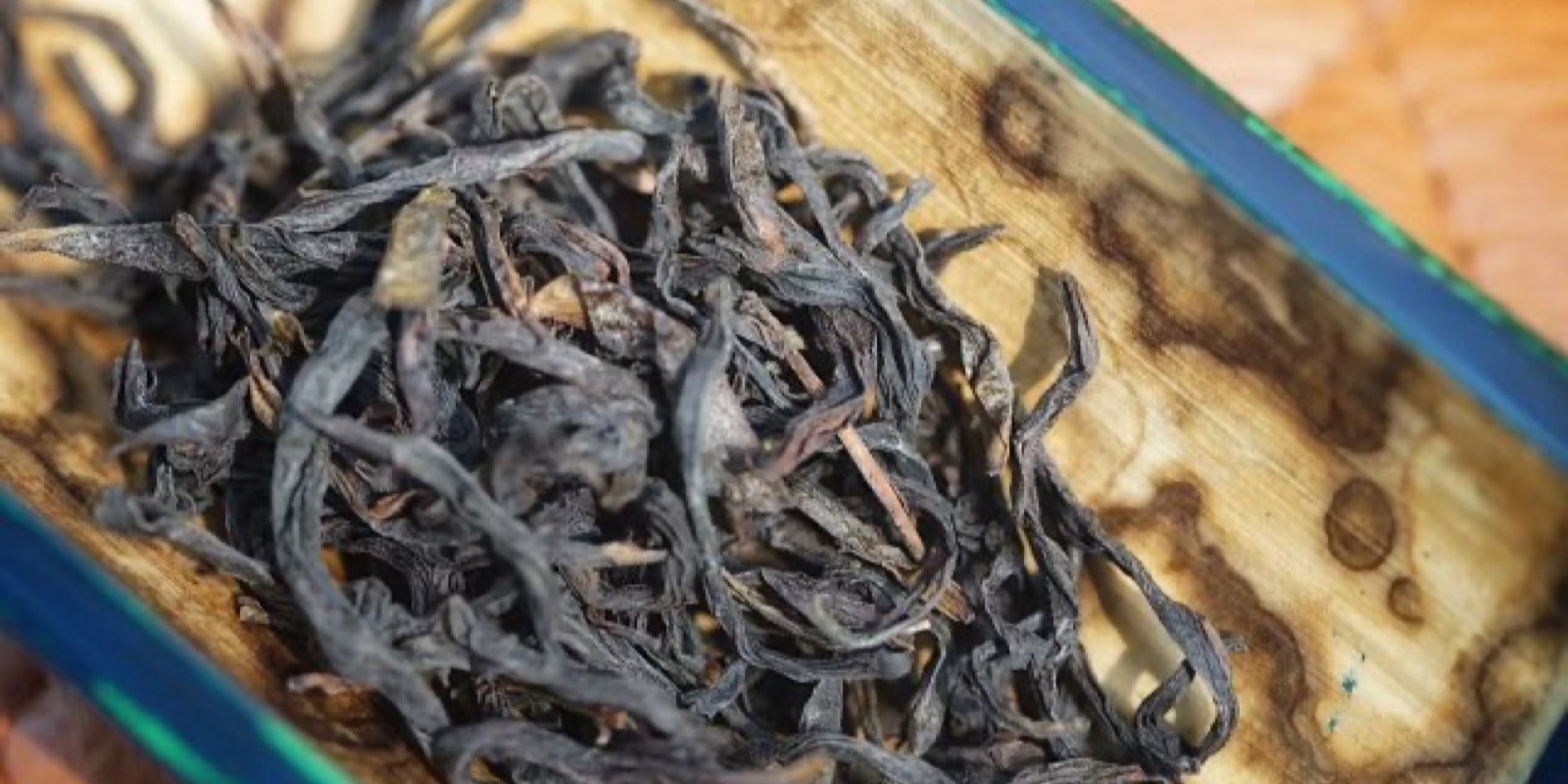
Ten Fragrance Types, One Mountain
Phoenix Dancong is sorted into ten recognized fragrance types — Ye Lai Xiang, "night-blooming fragrance," is one of them, twice charcoal-roasted into a cup that opens like orchid and settles into milk and honey.
-
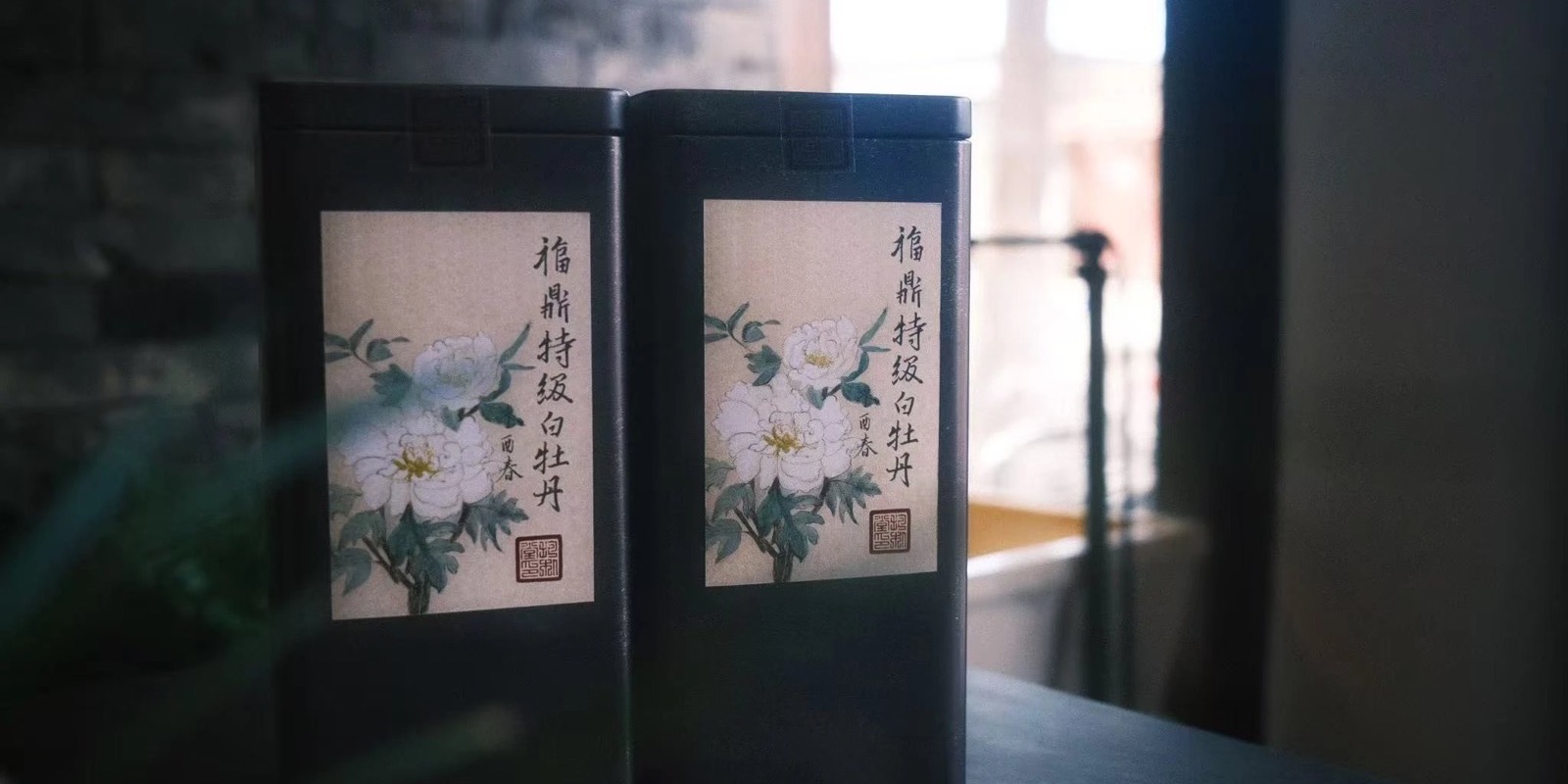
What Eight Years Sounds Like in a Cup
Named "Songbai" — pine white — for how the down on its buds caught the light. Eight years on, the same tea now tastes like a different sentence.
-
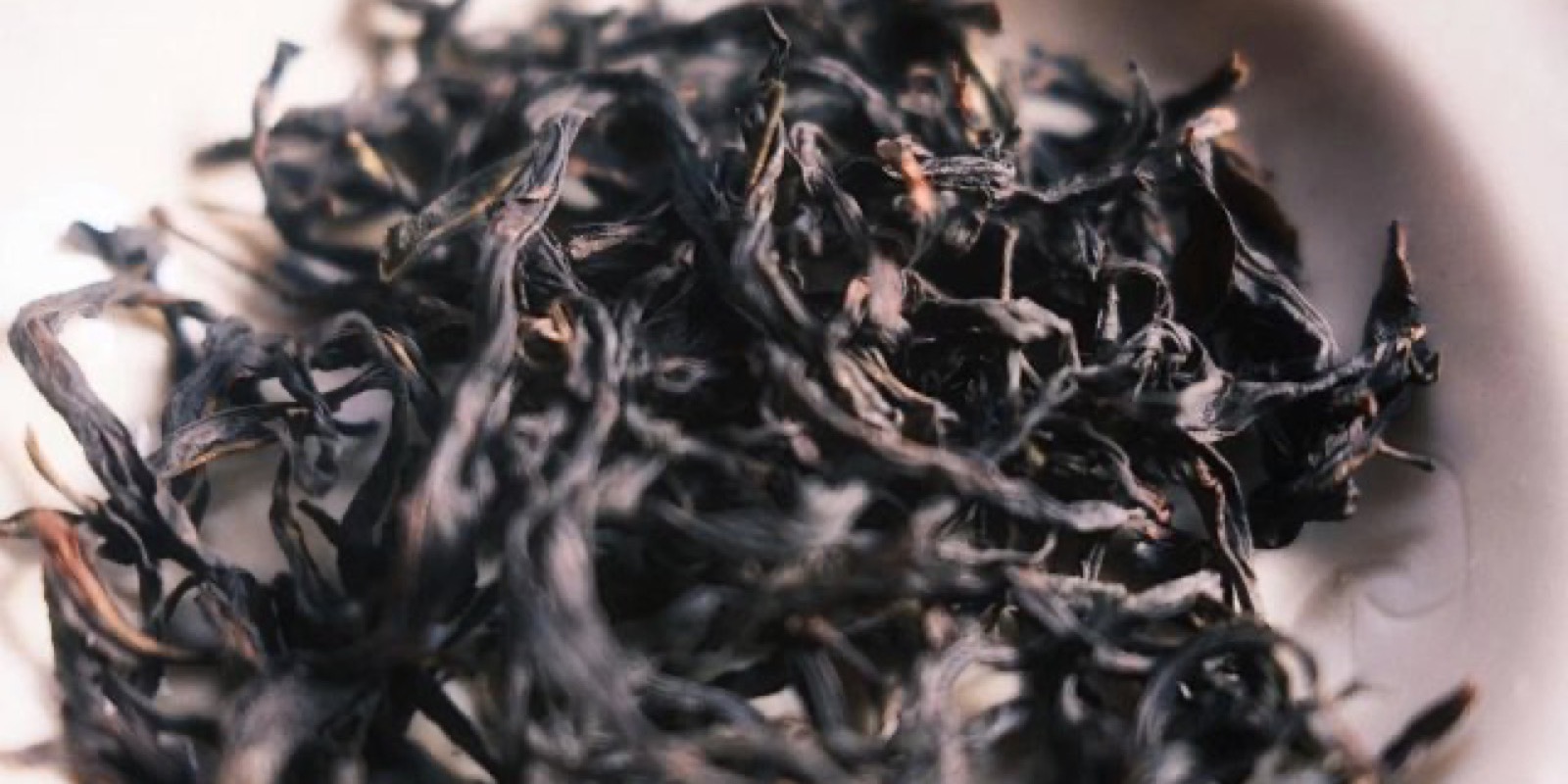
A Name Nobody Agrees On
Ya Shi Xiang means "duck shit fragrance" — and nobody fully agrees on why. The contested name behind one of Phoenix Dancong's most sought-after cultivars.
-
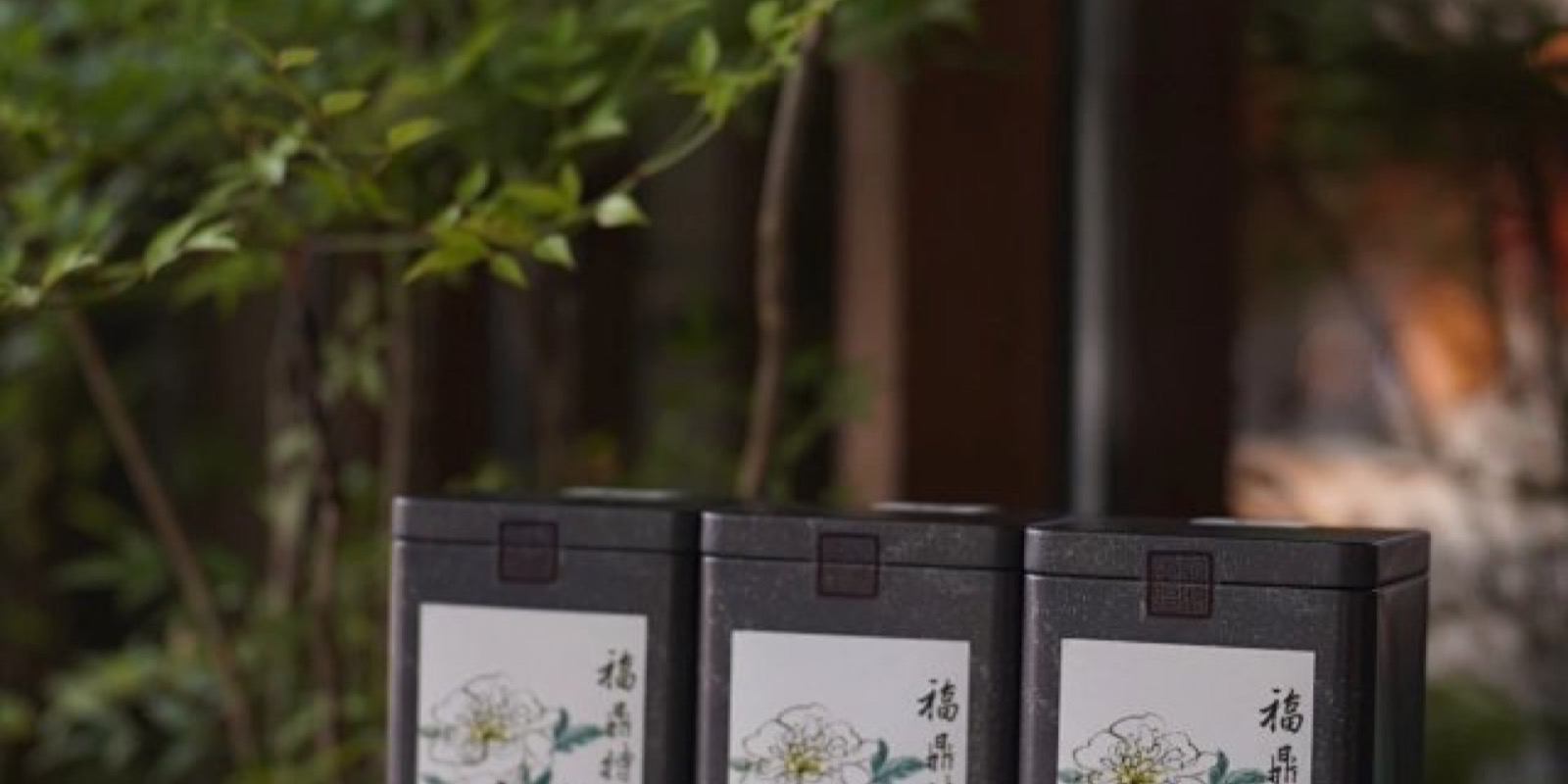
Three Hundred and Sixty Hours of Doing Almost Nothing
White tea's whole process is a kind of restraint — no firing, no rolling, just 360 hours of slow withering. The baseline vintage that makes the rest of this aging arc legible.
-
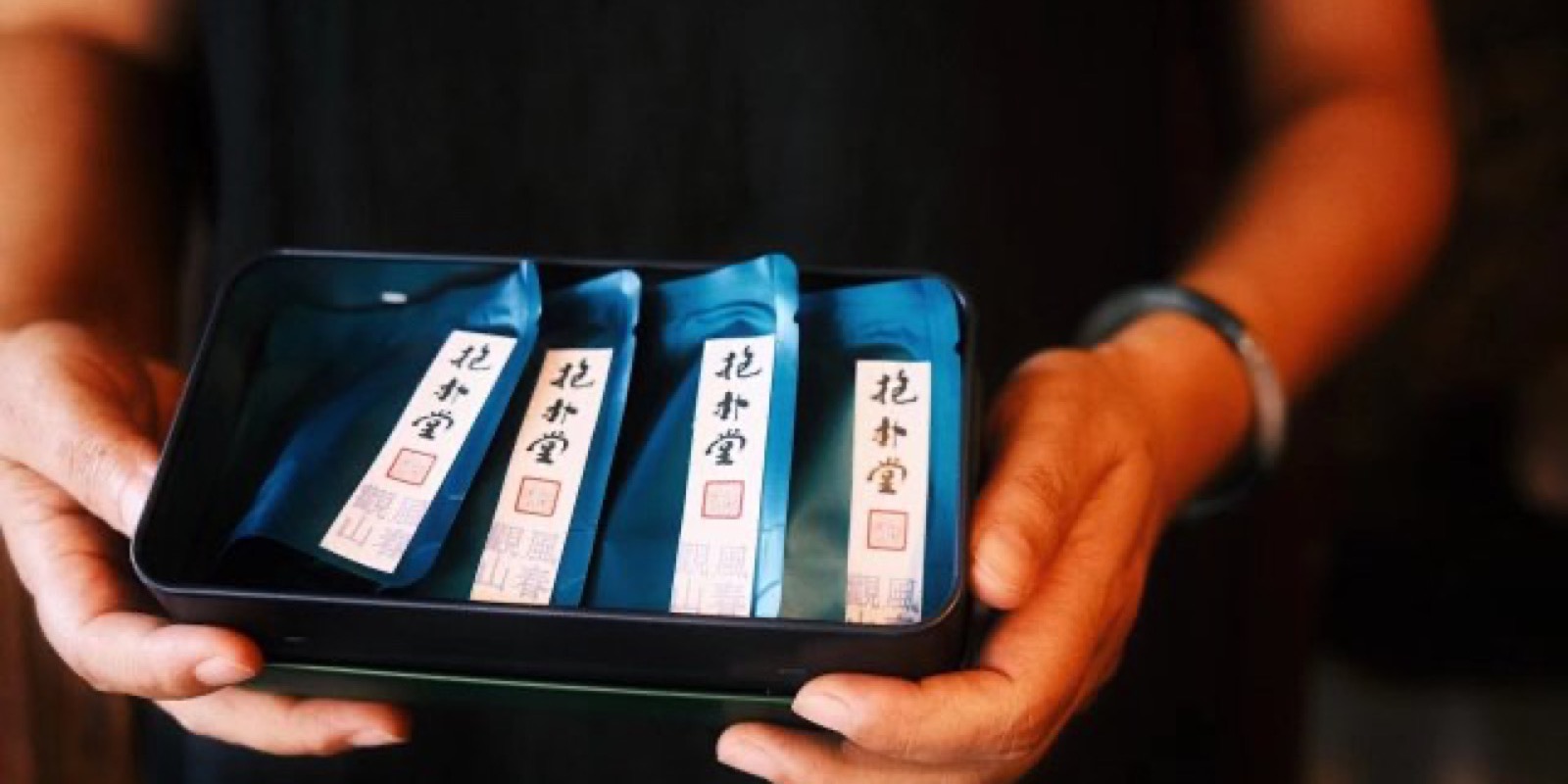
The Same Mountain, Rolled Into a Pearl
Four years into Baoputang's Tianmenshan series, the same spring leaf took a new shape — hand-rolled into dragon pearls instead of pressed into a cake, with two old hours of the day suggested for drinking it.
-
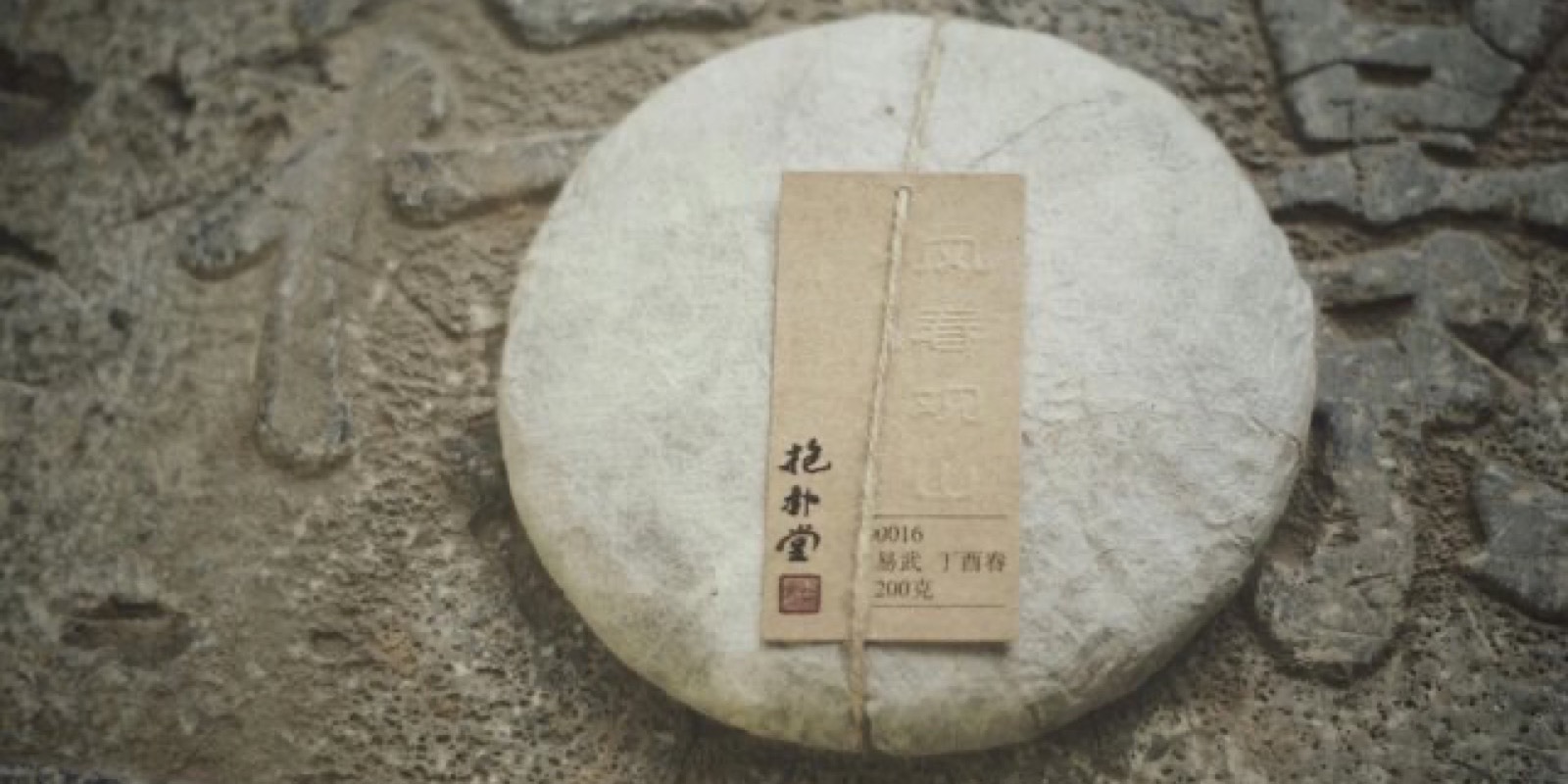
The Trees Too Tall to Climb
Some of Tianmenshan's old trees have grown past thirty meters — tall enough to count as "high-pole" gushu, and rare for exactly the reason no one minds: nobody pruned them down to a pickable height.
-
A Mountain With No Roads to It
Tianmenshan's old trees never grew in neat rows — they're scattered through old-growth forest near the Laos border, which is exactly why almost no one bothers to climb up and pick them.
-
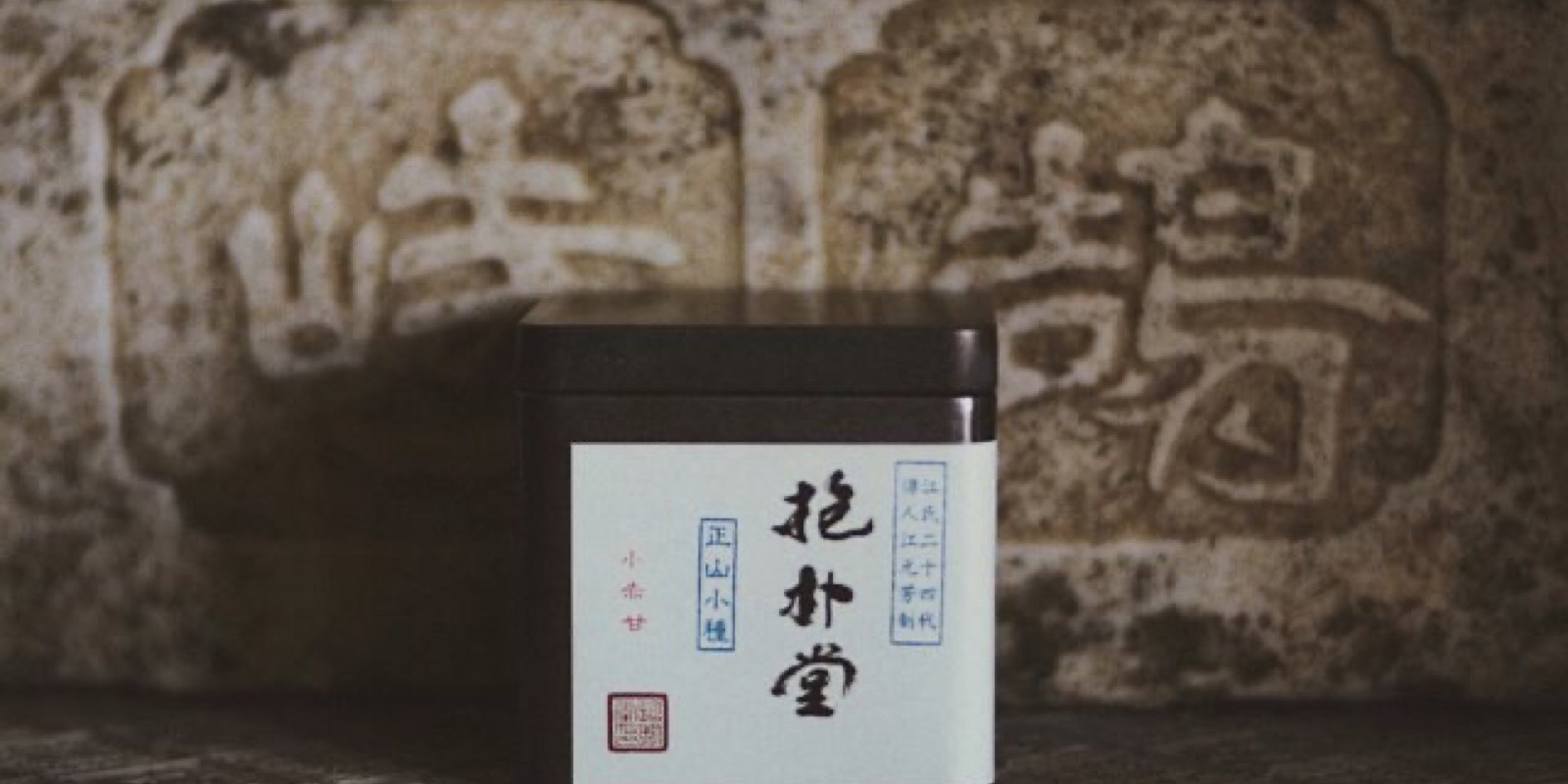
The Jiang Family of Tongmuguan
Every red tea Baoputang sources from Wuyishan comes from one family — ten years working with Jiang Yuanfang, one of 24 generations of tea masters at Tongmuguan, where lapsang souchong itself was invented four centuries ago.
-
The Five Things We Look For
We go to museums wherever we travel, in China and elsewhere, looking for the same five things every time. None of them are souvenirs.
-
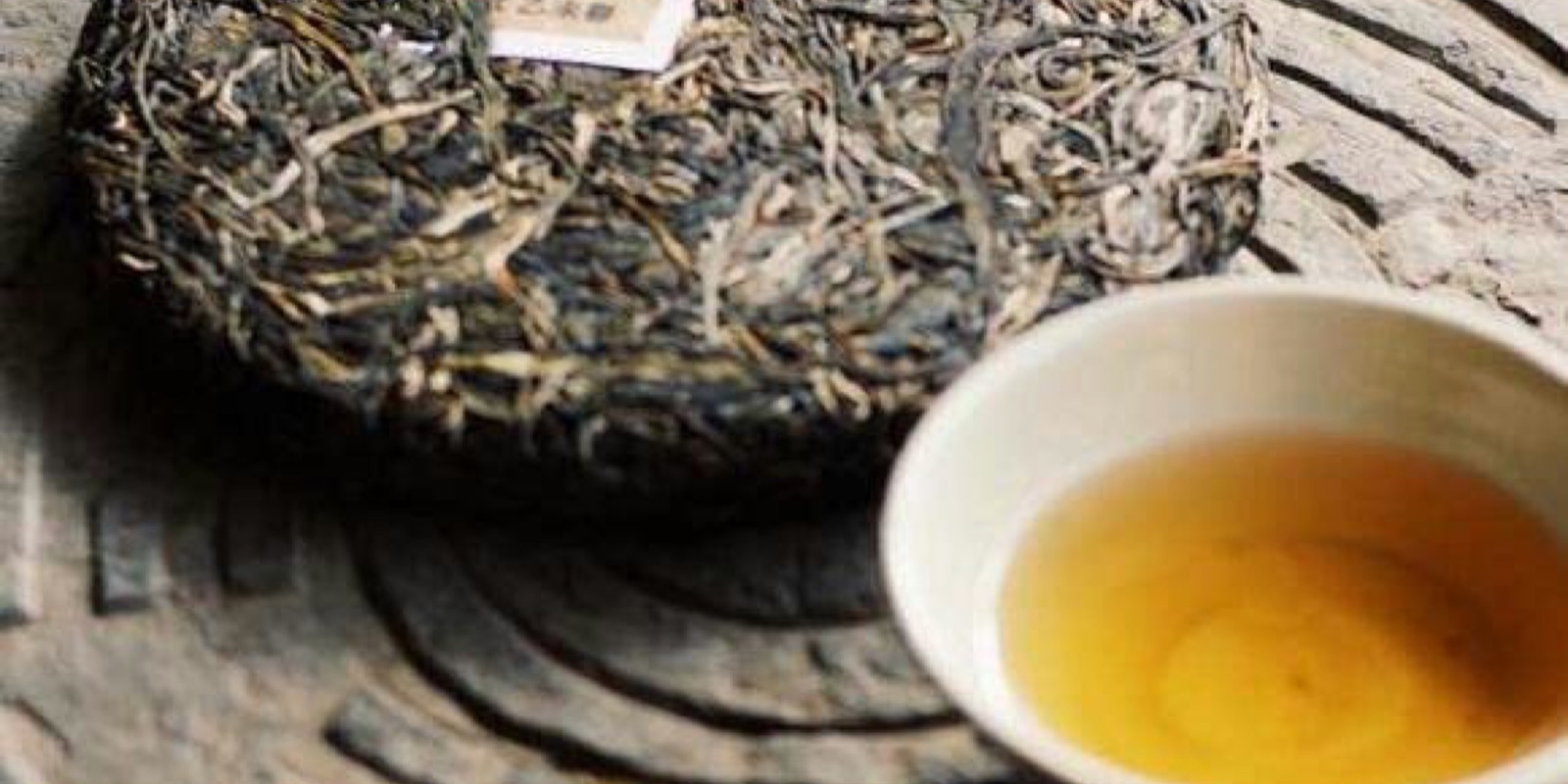
A Tea Laid Down for Daughters
The first vintage of a Yiwu Tianmenshan series Baoputang has pressed every spring since — and the old custom of laying down tea the way you'd lay down wine, for someone not yet ready to taste it.
-
The Dream That Doesn't Cancel the Moment
一期一会 asks you to be fully present, today. Its quieter counterpart — 浮生若梦,人生如行云流水, "life is but a floating dream, passing like clouds and flowing water" — asks you to remember none of it stays. Both are written into Baoputang, on purpose, at the same time.
-
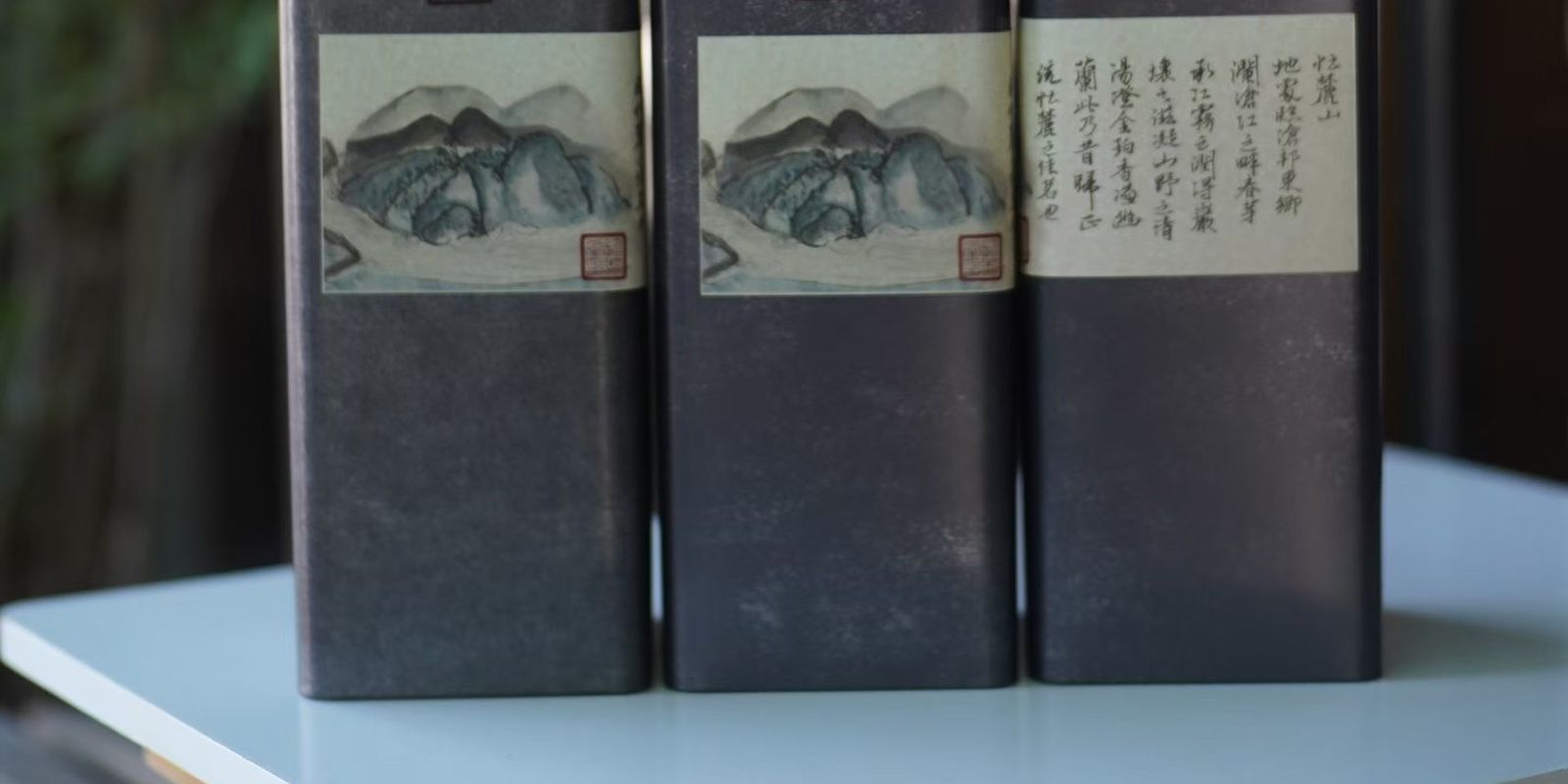
Manglu Mountain, in early summer
Lincang's Manglu Mountain, cradled by the Lancang River — the terroir behind this summer's sheng puerh, and why raw tea suits the heat.
-
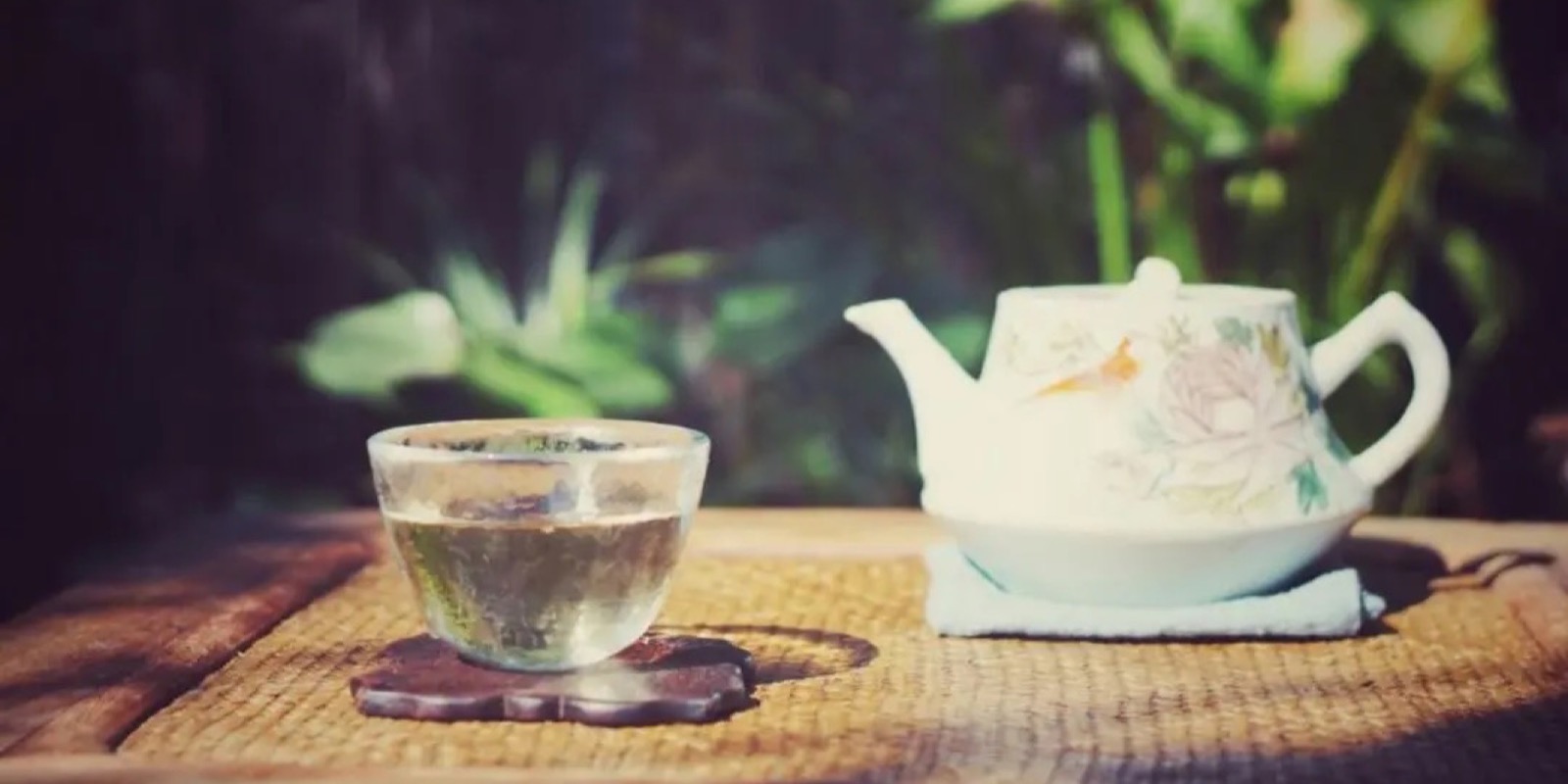
Small White Dragon, Scented Seven Times
Spring tea from Fuding, jasmine from Hengxian — how two provinces and seven rounds of scenting become Small White Dragon.
-
What the Name Asks of Us
一期一会 is usually read as "don't waste this moment." The deeper, older reading is that one day can stand in for a whole lifetime — and that idea, more than the name itself, is the real secret behind why we started Baoputang.
-
Opening the room
Notes on tea, season, and the room at 116 West Xinglong Street — written for anyone who isn't able to walk in this afternoon.