
#yunnan
-
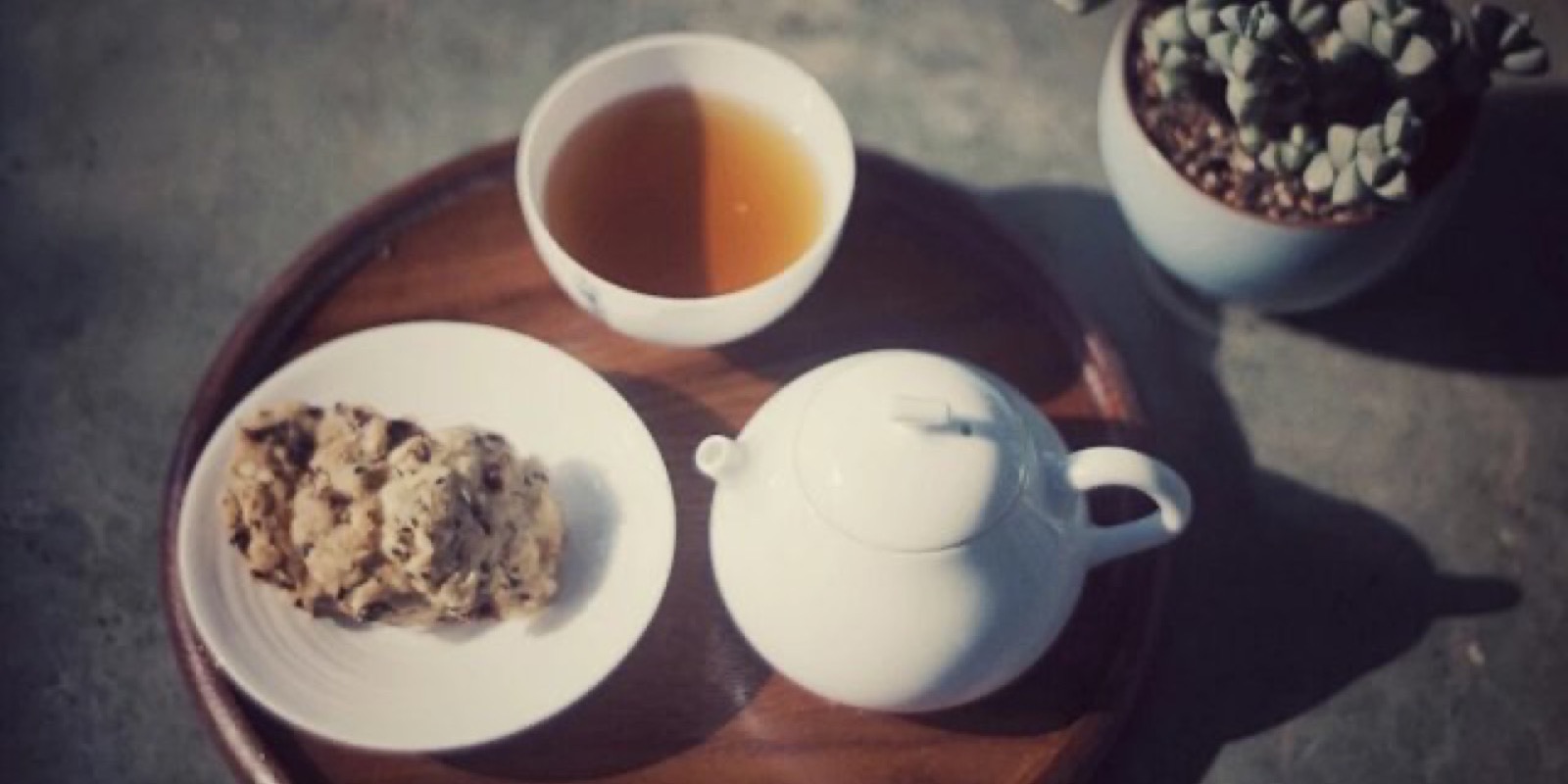
The Red Tea That Came Before the Partnership
Before Baoputang ever met the Jiang family of Tongmuguan, there was already a house red — a Yunnan Dianhong recipe unchanged since 2008.
-
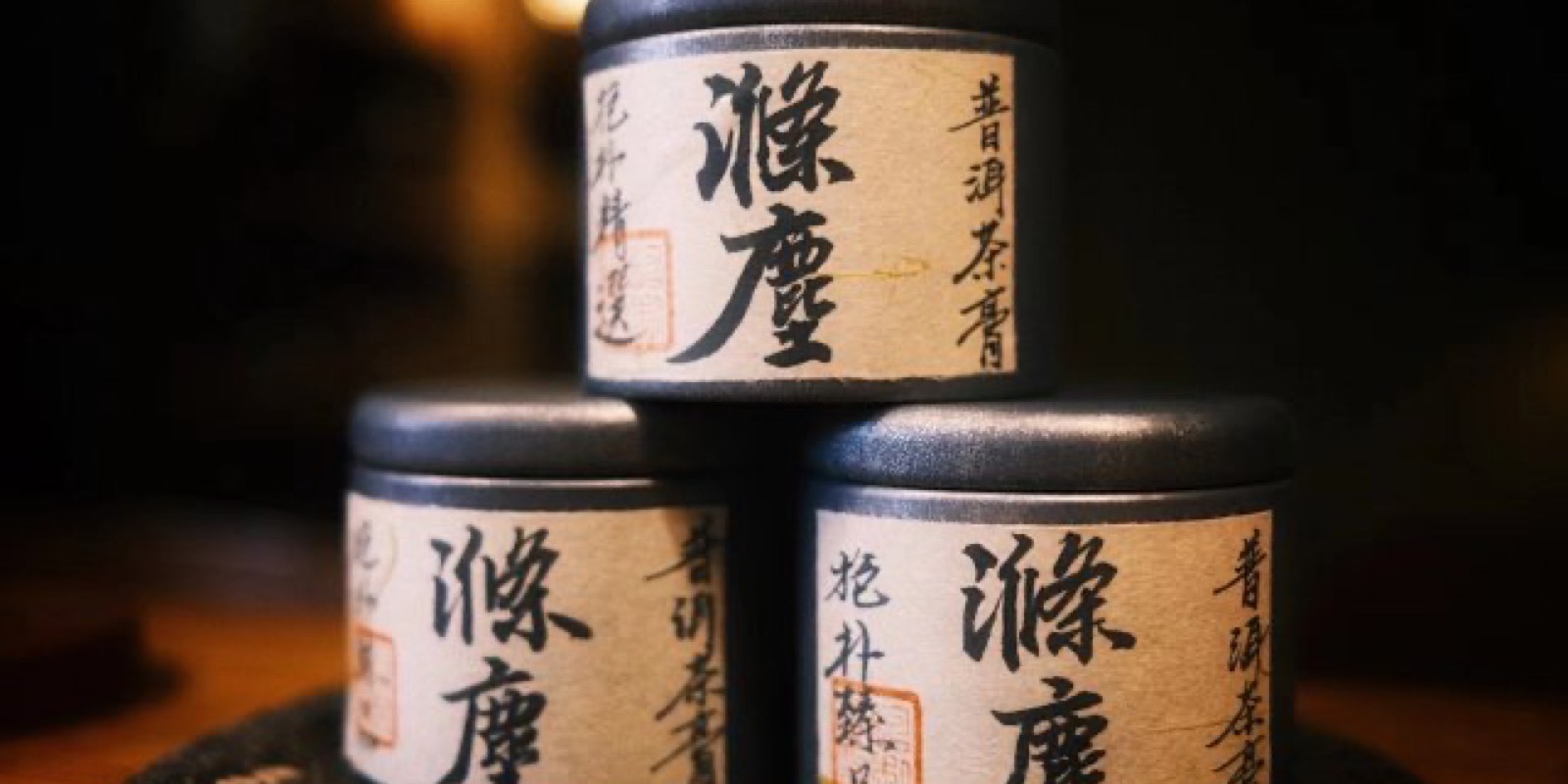
One Hundred Kilograms In, Five Kilograms Out
Tea paste was once a Qing-court secret, pressed by 186 steps for the emperor alone. The modern version takes 100 kilograms of loose tea to yield five kilograms of paste.
-
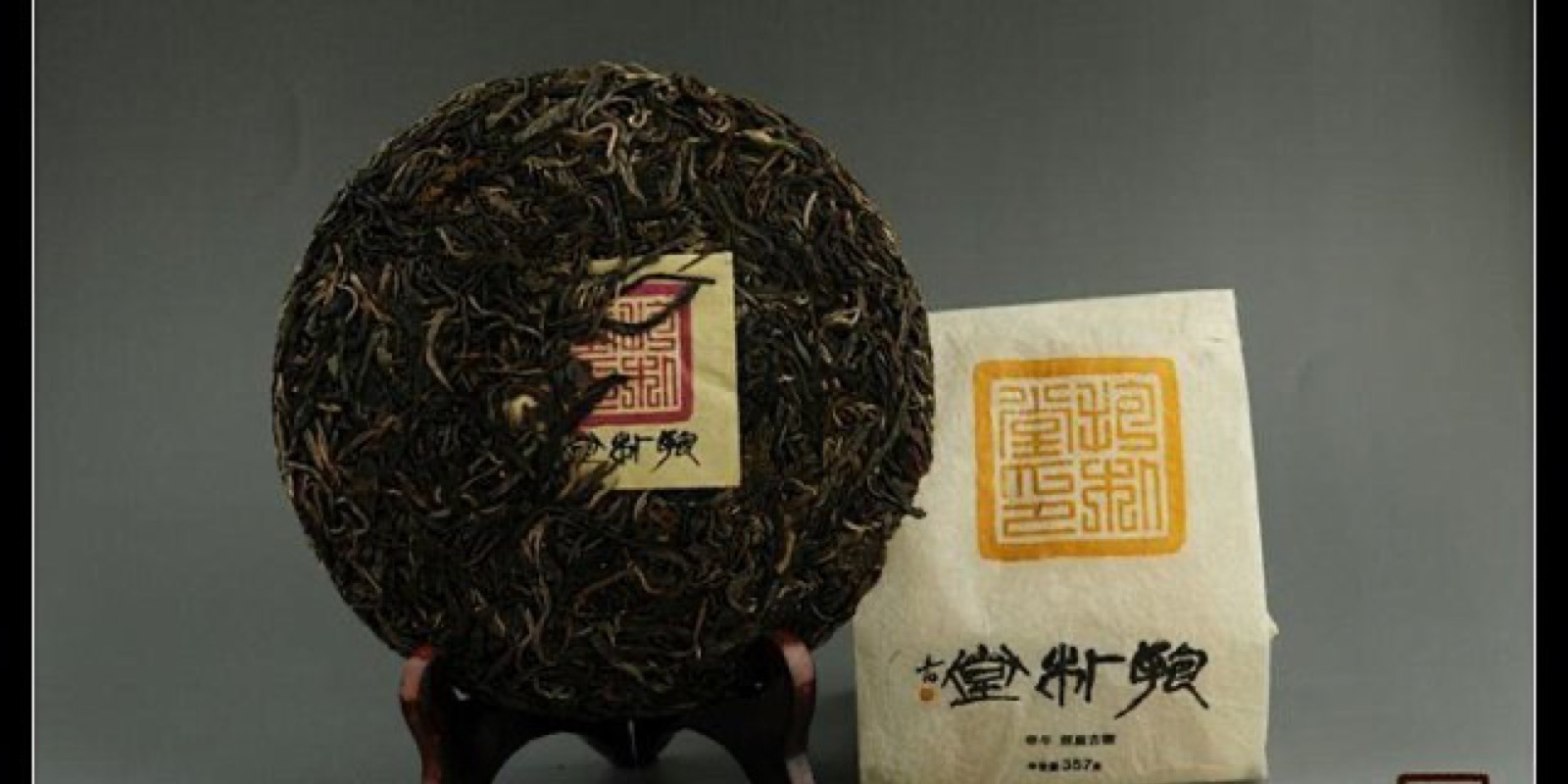
Where the Tea Tree Came From
Bangwei is where the "Tea King Tree" was found — the discovery that helped prove Yunnan as the birthplace of the tea plant itself.
-
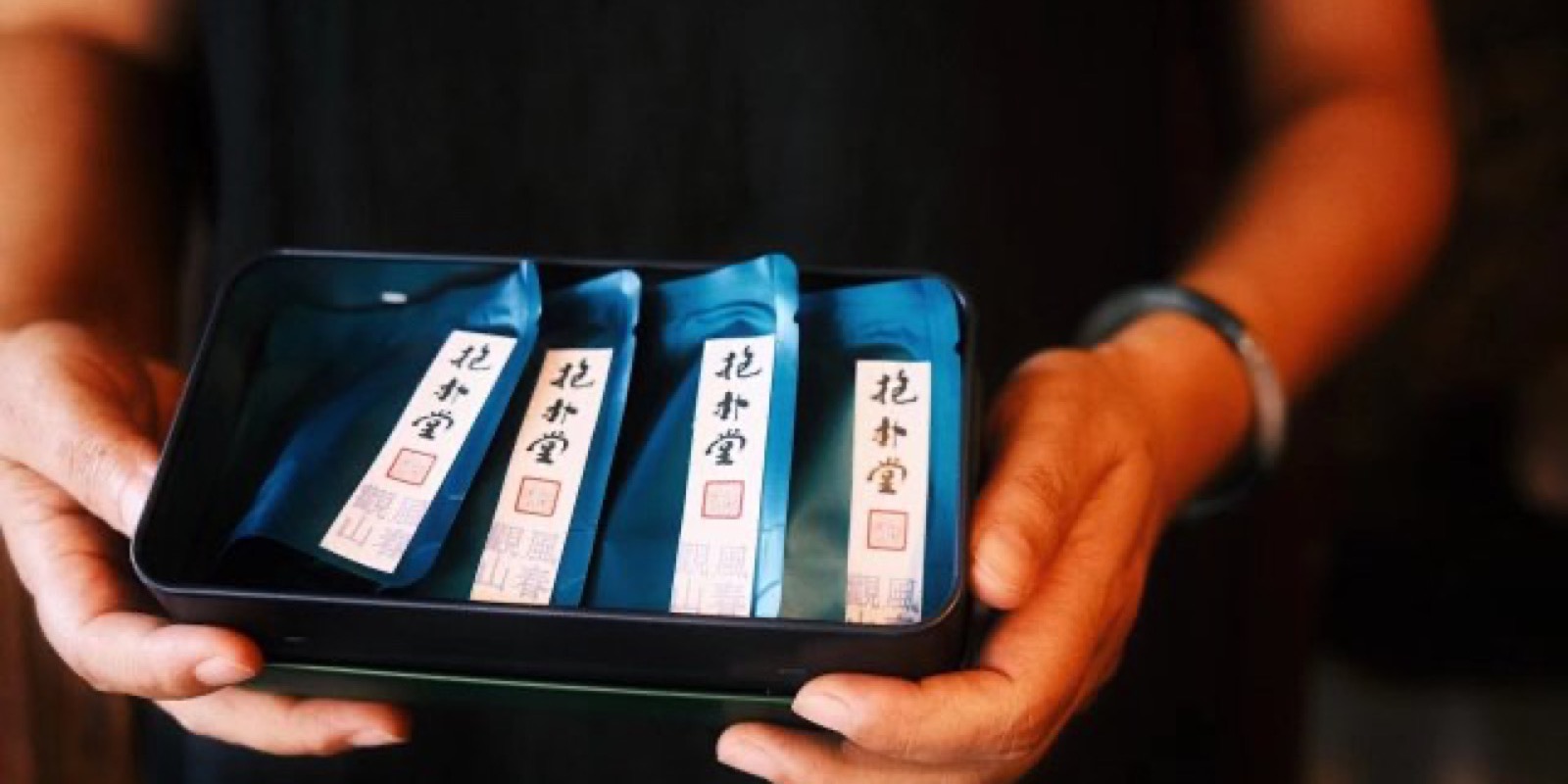
The Same Mountain, Rolled Into a Pearl
Four years into Baoputang's Tianmenshan series, the same spring leaf took a new shape — hand-rolled into dragon pearls instead of pressed into a cake, with two old hours of the day suggested for drinking it.
-
The Trees Too Tall to Climb
Some of Tianmenshan's old trees have grown past thirty meters — tall enough to count as "high-pole" gushu, and rare for exactly the reason no one minds: nobody pruned them down to a pickable height.
-
A Mountain With No Roads to It
Tianmenshan's old trees never grew in neat rows — they're scattered through old-growth forest near the Laos border, which is exactly why almost no one bothers to climb up and pick them.
-
A Tea Laid Down for Daughters
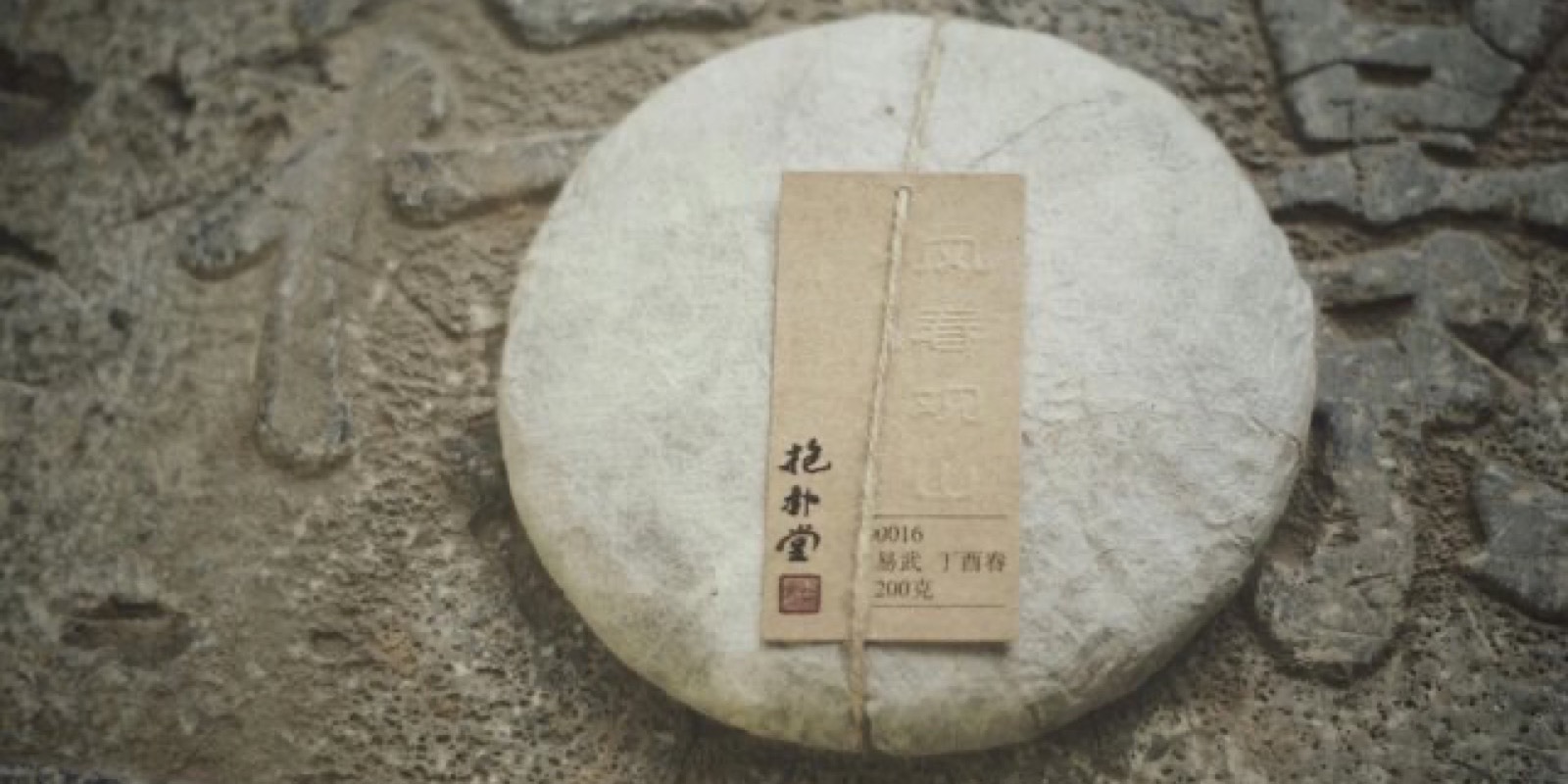
The first vintage of a Yiwu Tianmenshan series Baoputang has pressed every spring since — and the old custom of laying down tea the way you'd lay down wine, for someone not yet ready to taste it.
-
Manglu Mountain, in early summer
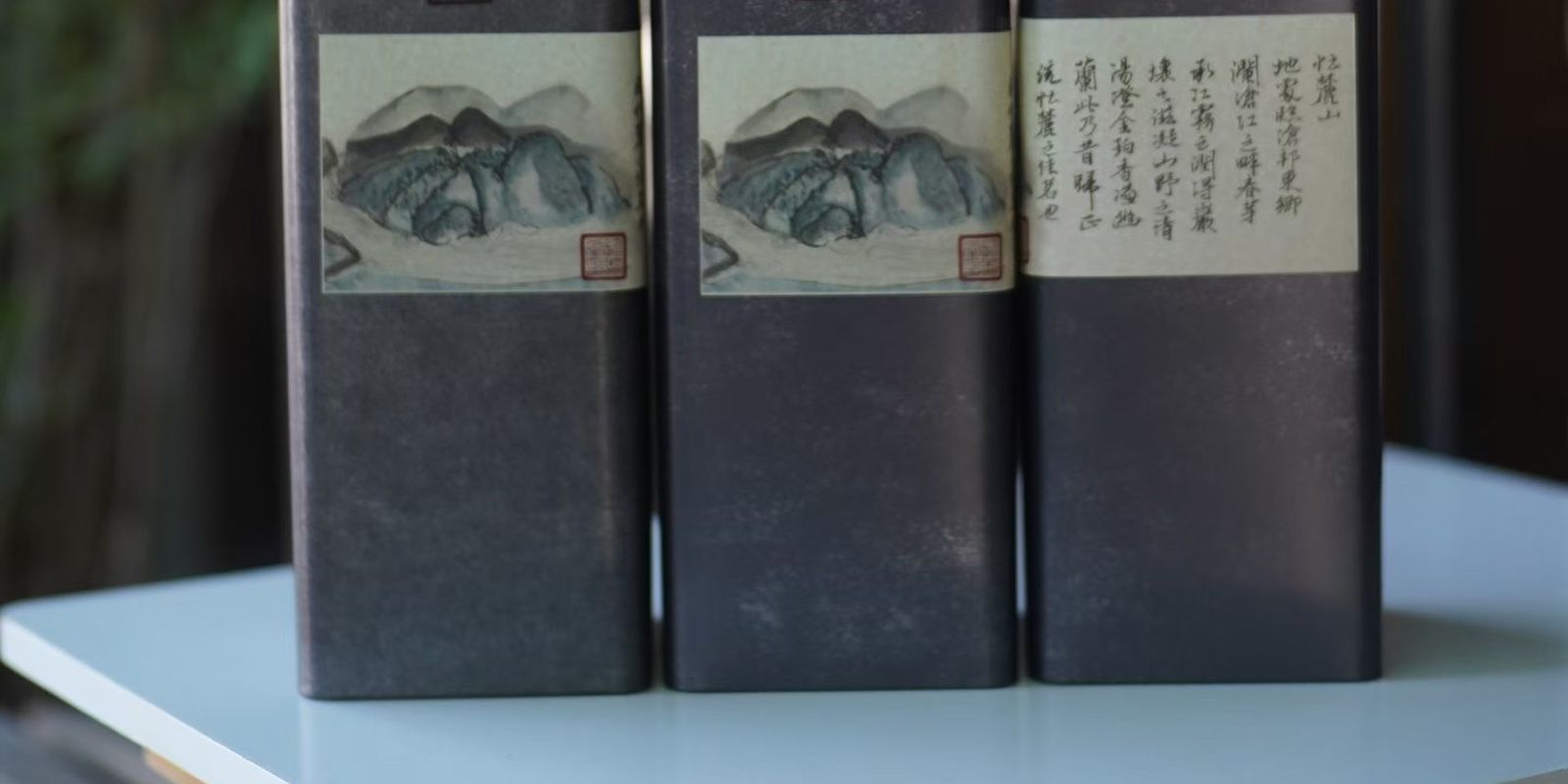
Lincang's Manglu Mountain, cradled by the Lancang River — the terroir behind this summer's sheng puerh, and why raw tea suits the heat.