
#wuyishan
-
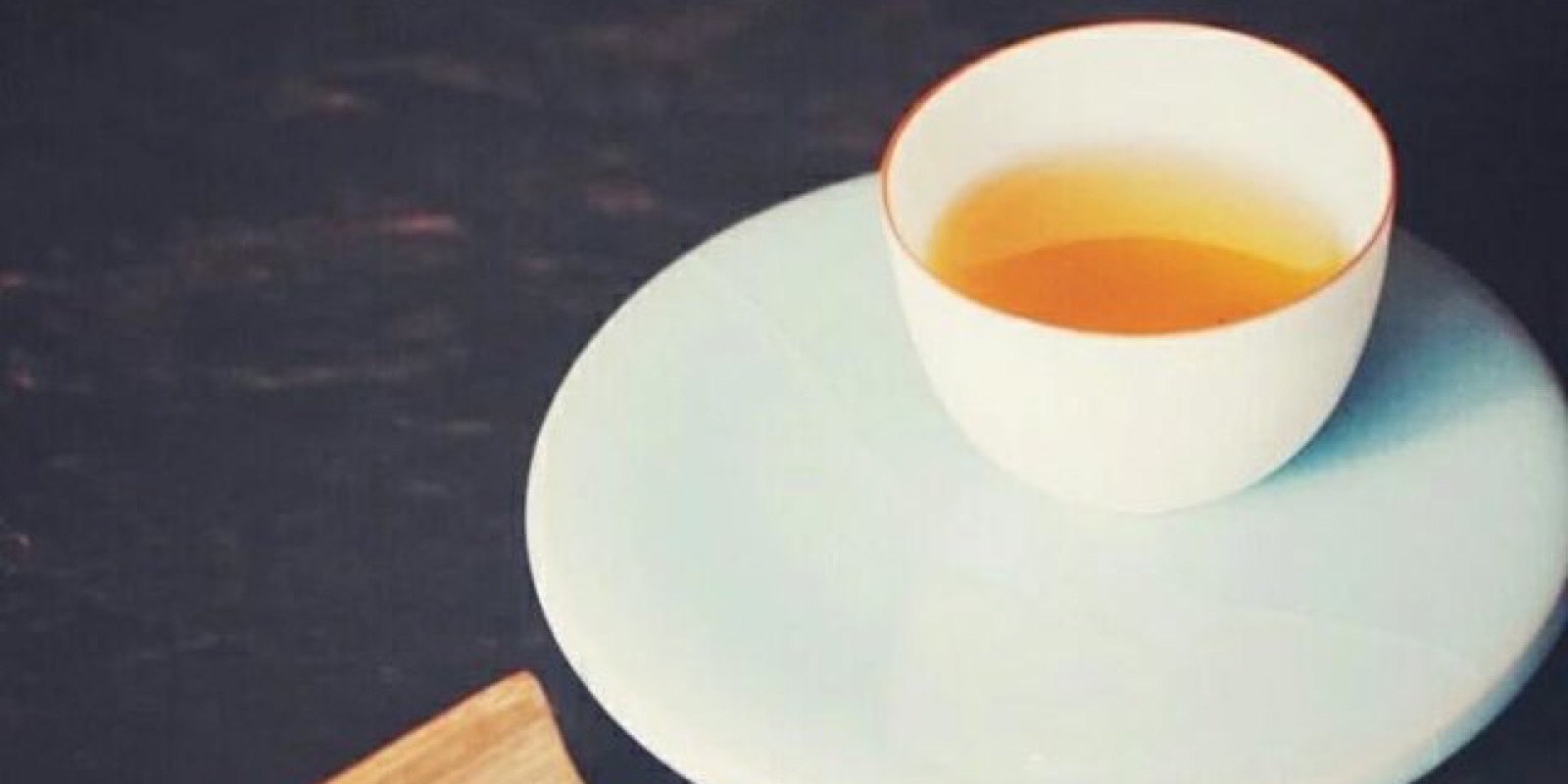
A Smoke That Needs a Year to Settle
Pine-smoked Lapsang Souchong, special grade, fourteen years into the Jiang family partnership — and a tea that has to sit for a year before the smoke and the leaf actually become one thing.
-
A Cliff Shaped by Light It Doesn't Get
Shuiliandong's microclimate comes from what it's missing — direct sun, blocked by rock on three sides. What grows there instead develops a rare zongzi-leaf fragrance.
-
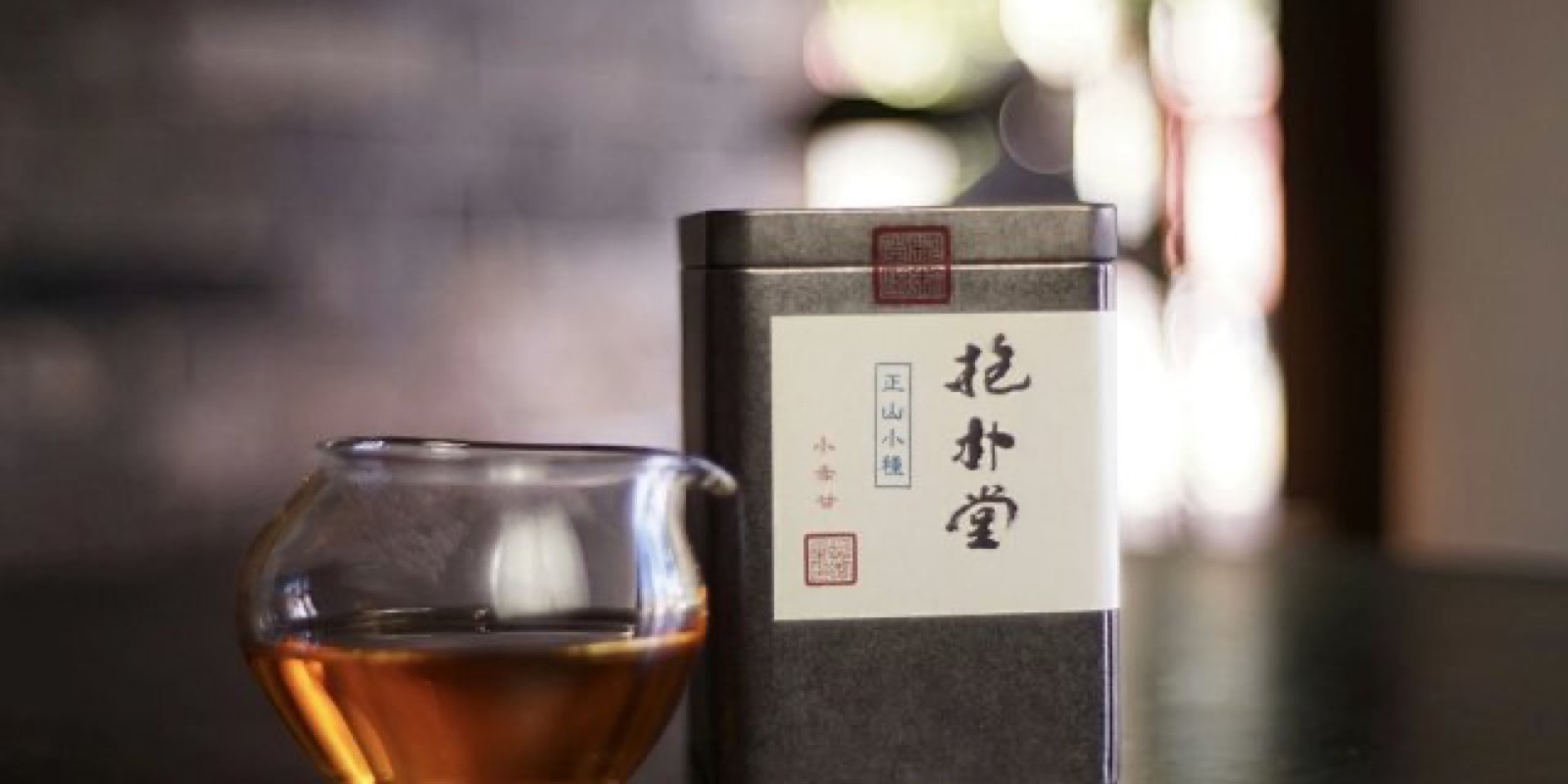
The Fork in Lapsang Souchong
Lapsang Souchong splits two ways — smoked and non-smoked. This is the non-smoked side — Xiao Chi Gan, the quieter half of the family, and still Baoputang's best-selling red tea.
-
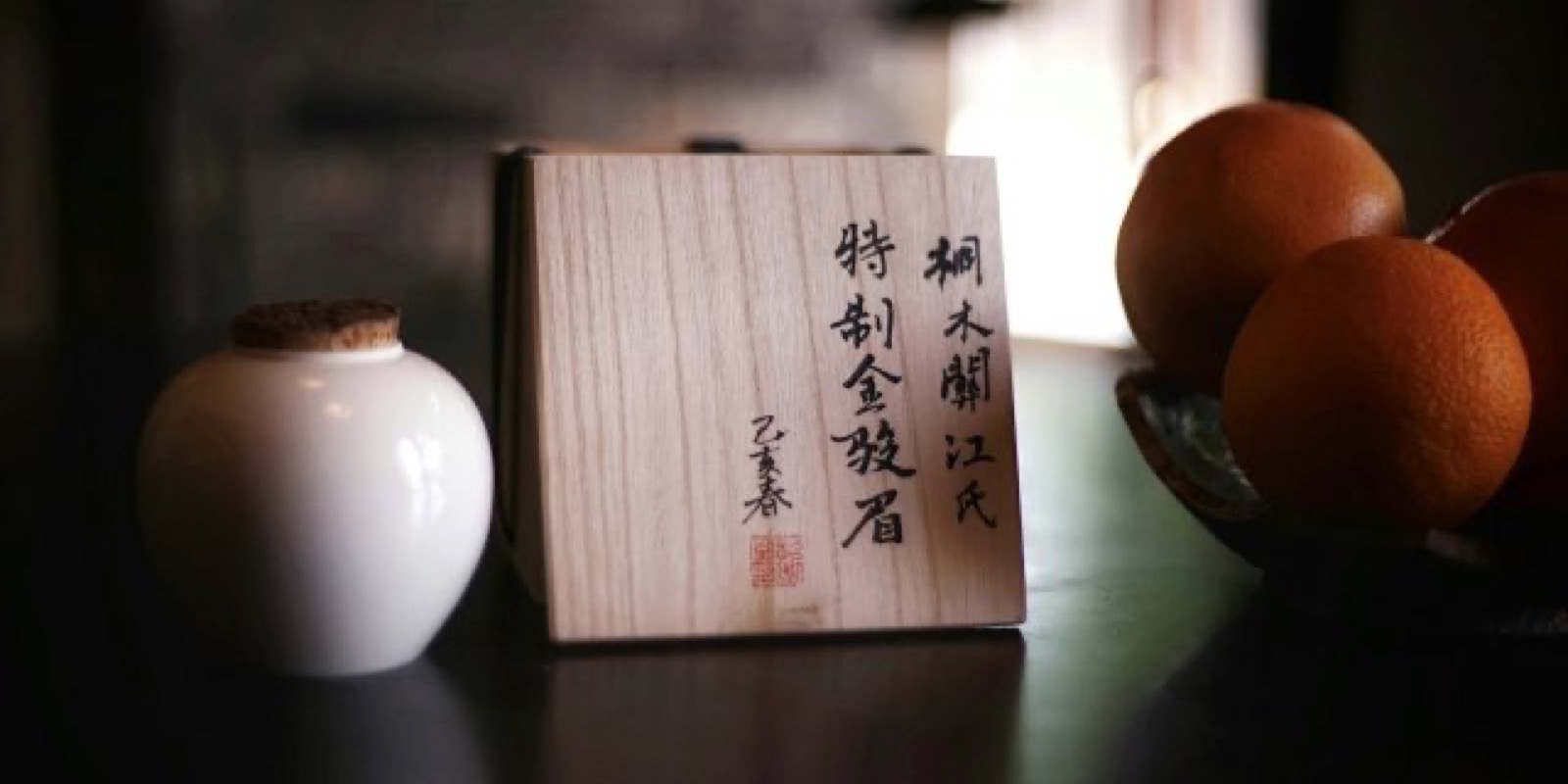
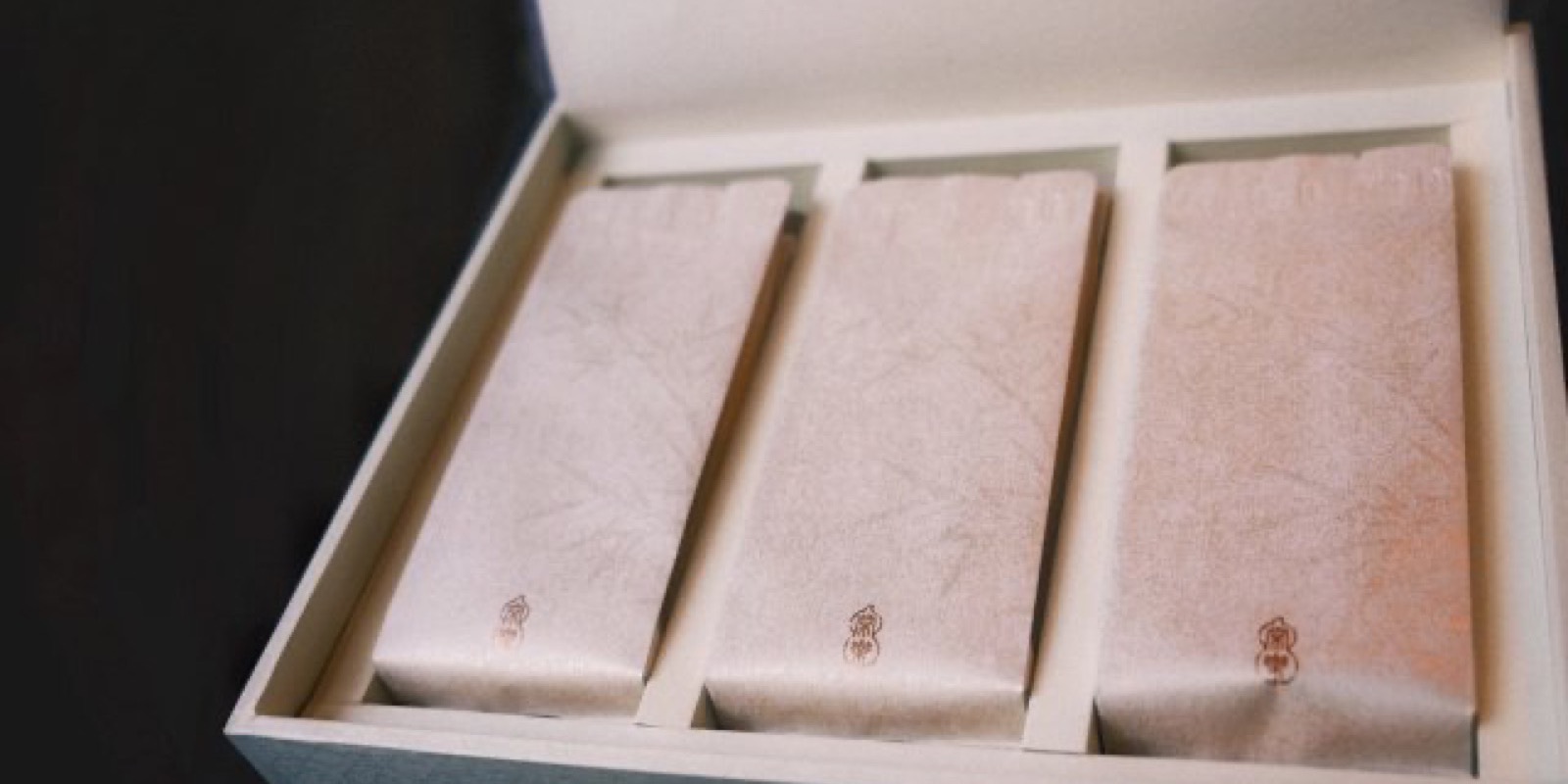
Two Boxes, Twelve Years Apart
A box built from Tongmuguan's own wood, and a box wrapped in poetry — two packaging choices, two years apart, both saying something true about the same twelve-year partnership.
-
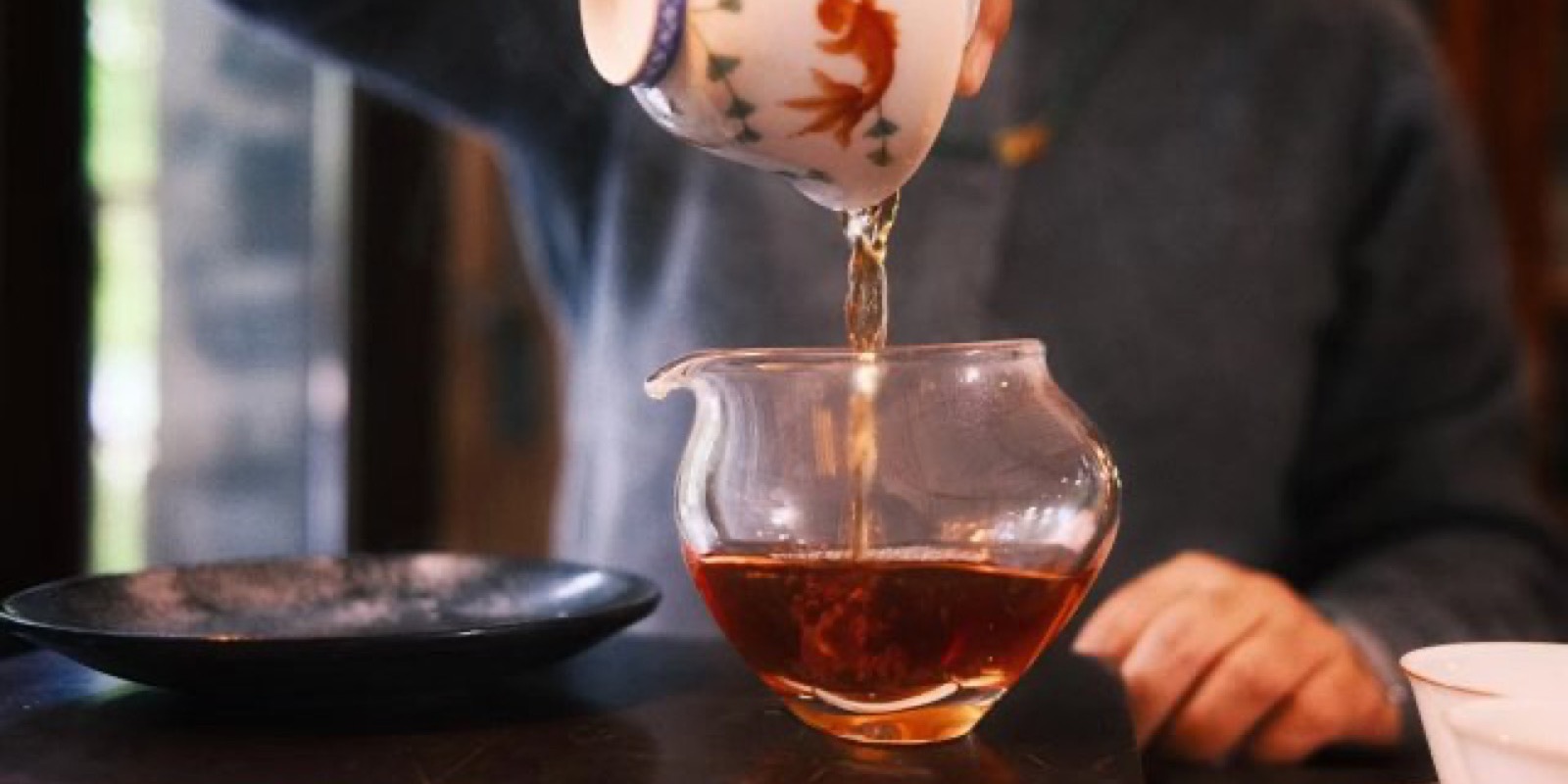
Two Thousand Trees, Fifty Years Each
Wusandi's reputation rests on a specific, countable thing — over 2,000 heritage shuixian bushes, all at least half a century old, growing in one remote corner of the Wuyishan reserve.
-
The Flagship, Eleven Years In
Special-grade Jin Jun Mei, eleven years into the Jiang family partnership — early-spring single buds from forest tea gardens 1,200 to 1,800 meters up, picked before anything else.
-
The Saying About a Thousand Cups
"Drink a thousand cups of red tea, and it's still pointless if you haven't tried Xiao Chi Gan." The same saying, the same tea, now in a bag.
-
The Smoke That Takes Centuries to Get Right
Pine-smoked Lapsang Souchong is the oldest black tea processing method in the world — and it comes in three grades. This is the top one, now in a bag.
-
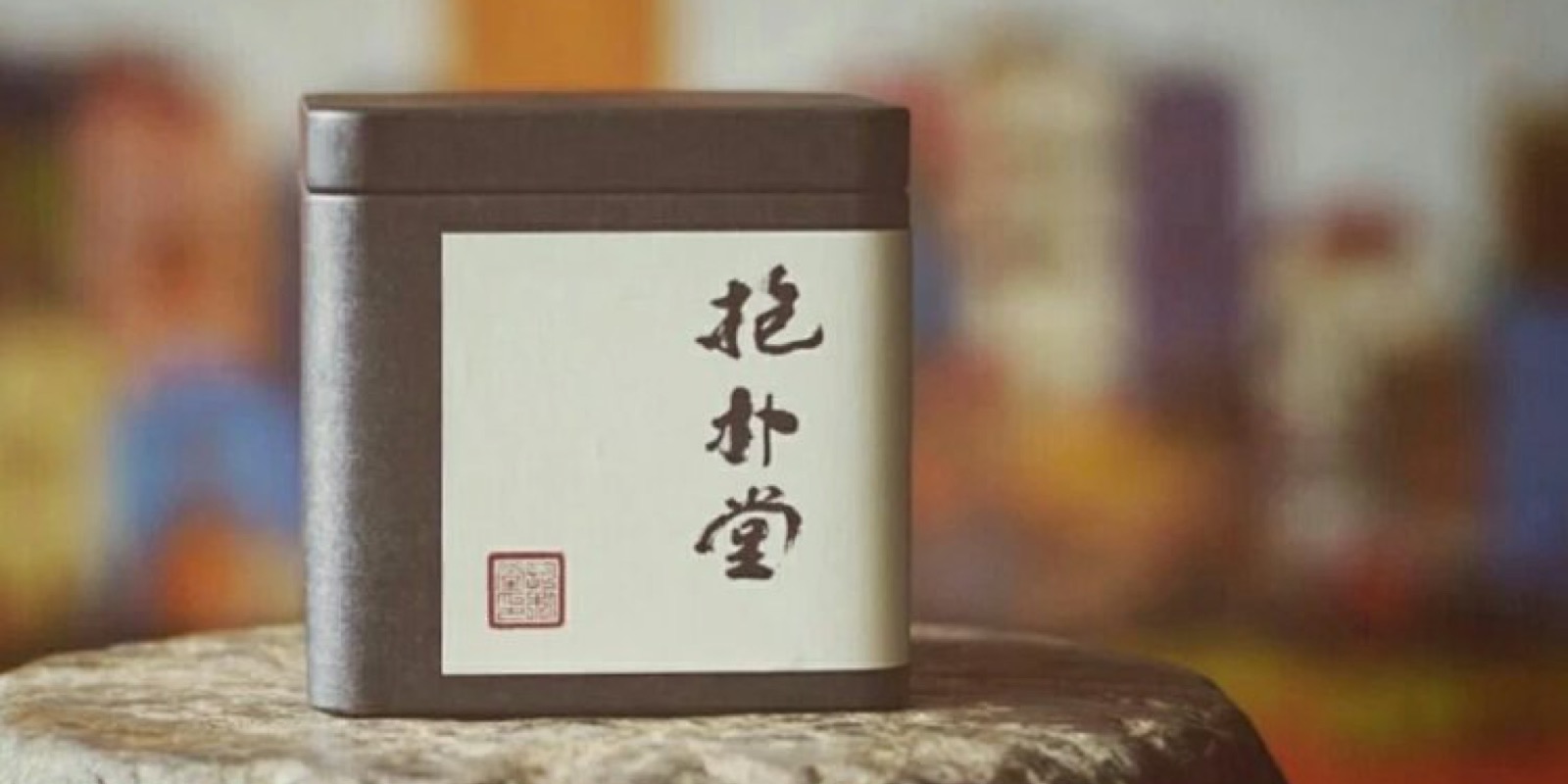
The Famous One, Now in a Bag
Jin Jun Mei needs 75,000 single buds for half a kilo. Five years into the Jiang family partnership, it got the same whole-leaf tea bag treatment as everything else.
-
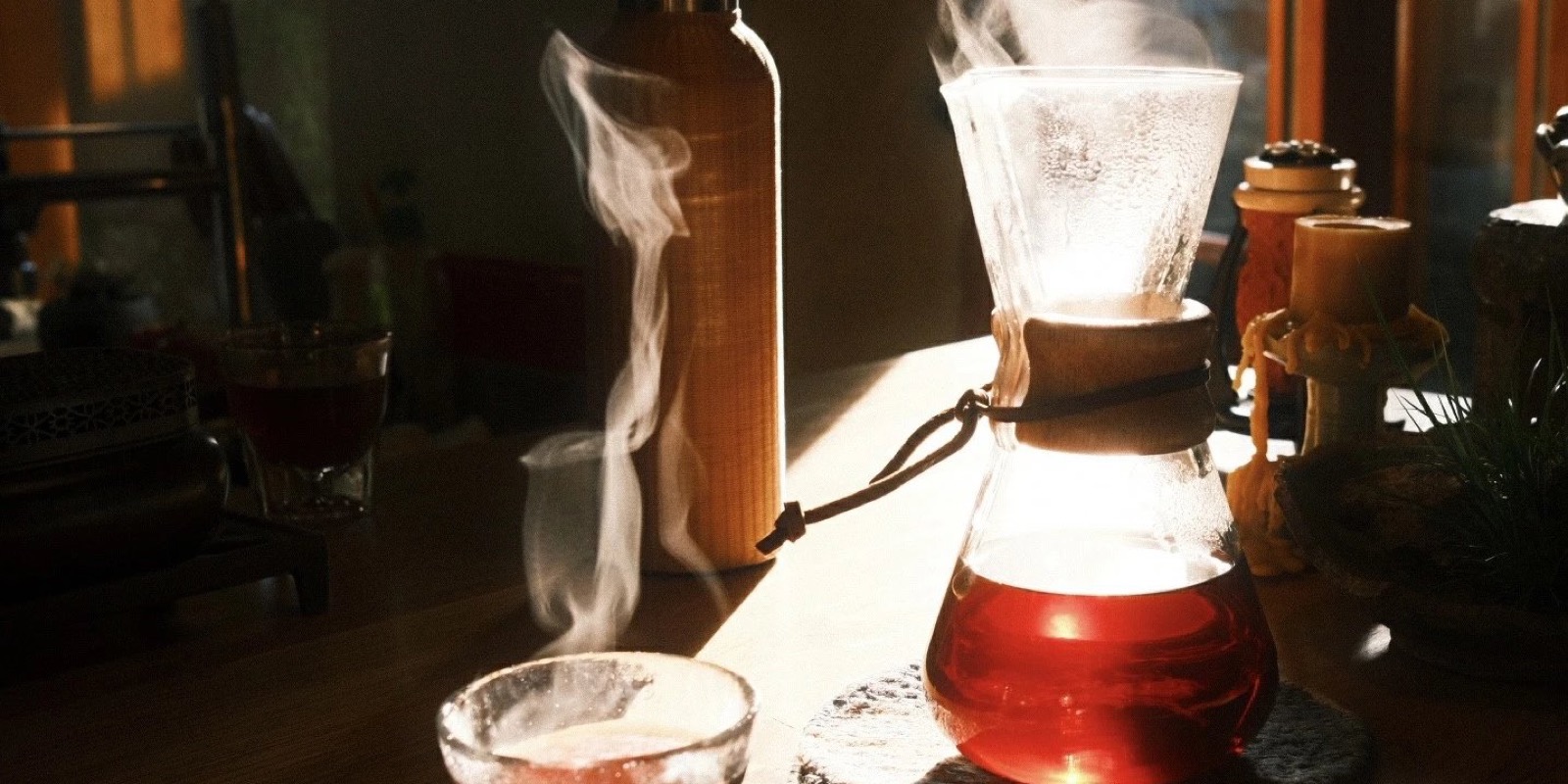
Why We Stopped Selling Broken Tea
In 2015, Baoputang made a deliberate choice about tea bags: whole leaf only, never dust or fannings — even when that makes the format harder to produce.
-
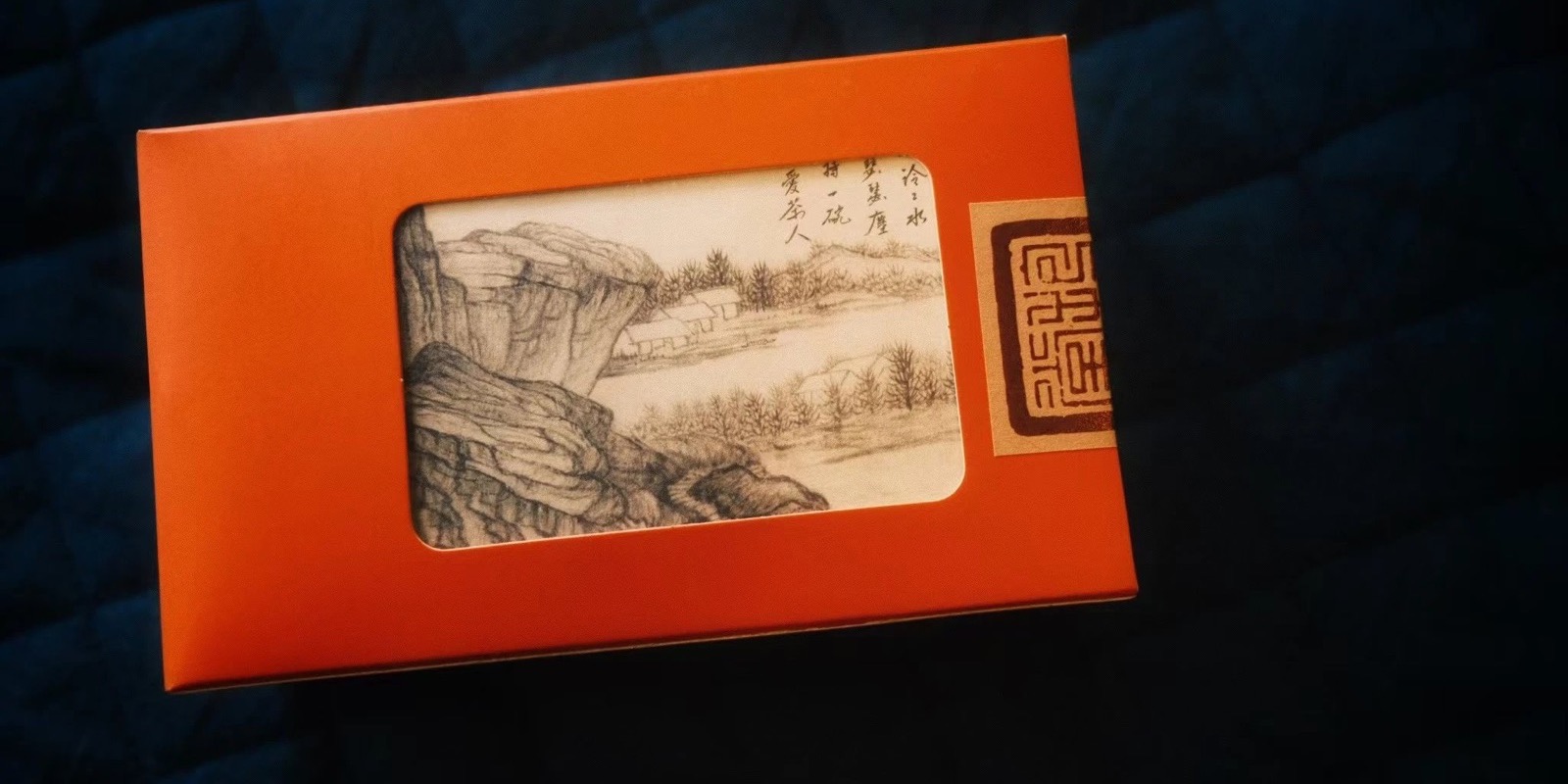
The Cliff Shaped Like a Reclining Buddha
Foguoyan takes its name from a rock formation said to resemble a sleeping Buddha. The cinnamon-spice rougui grown in its shadow tastes nothing like its more famous Wuyishan neighbors.
-
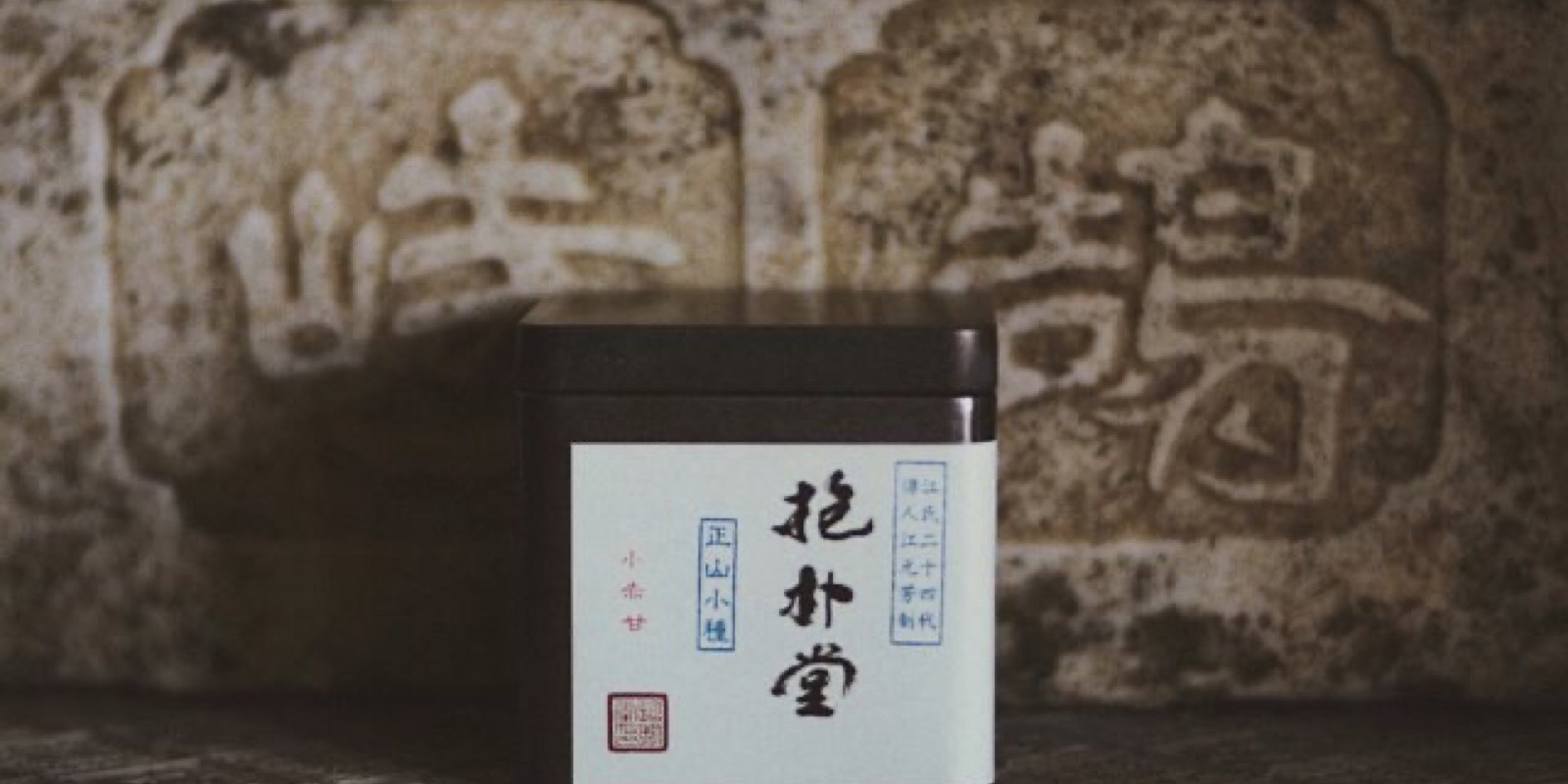
The Jiang Family of Tongmuguan
Every red tea Baoputang sources from Wuyishan comes from one family — ten years working with Jiang Yuanfang, one of 24 generations of tea masters at Tongmuguan, where lapsang souchong itself was invented four centuries ago.